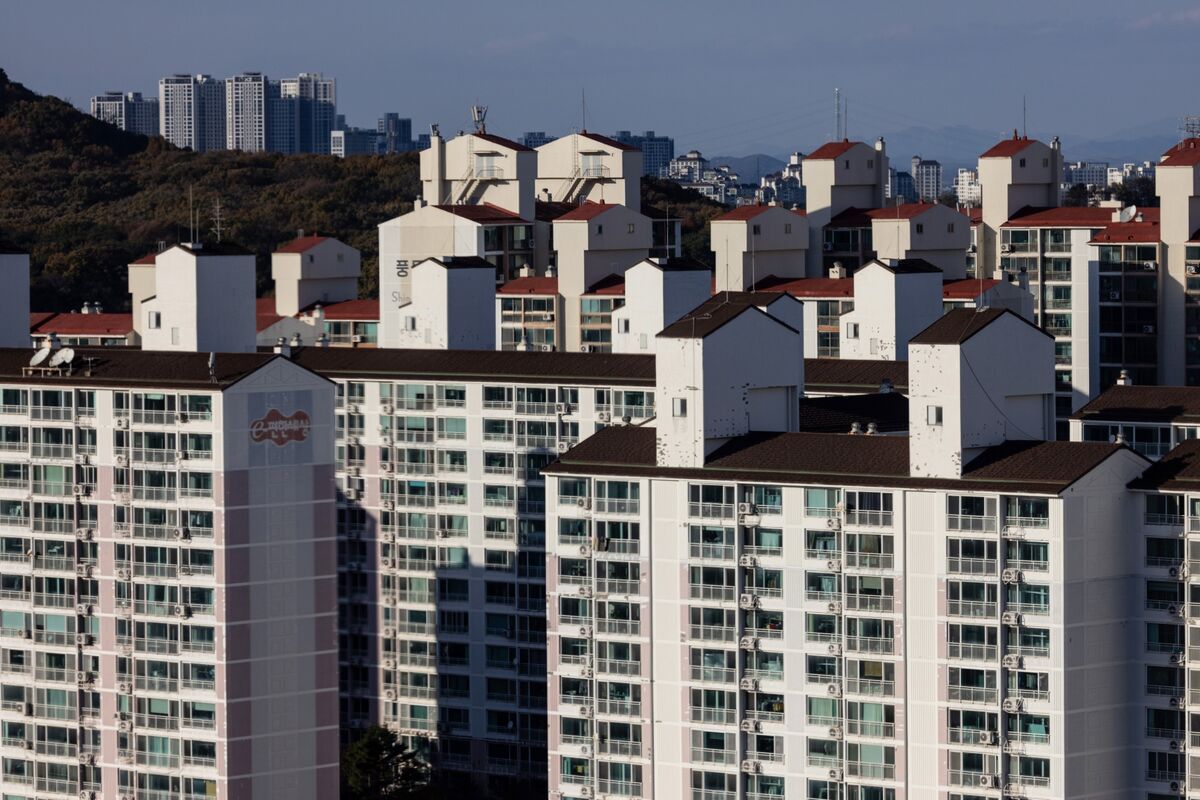
South Korea's household lending surged by 6.2 trillion won ($4.5 billion) in June, marking the fastest pace in 10 months and the largest increase since August 2024, primarily driven by a robust property market in Seoul. This significant rise in debt, particularly in housing loans, complicates the Bank of Korea's monetary policy, potentially pressuring its plans for rate cuts aimed at economic support.
South Korea's household lending data for June reveals a significant acceleration, with debt increasing by 6.2 trillion won ($4.5 billion), the fastest pace in ten months. This surge is primarily propelled by a robust property market in Seoul, which has driven housing loan growth to a nine-month high. The development presents a considerable policy complication for the Bank of Korea. The central bank's objective of supporting the broader economy with monetary easing is now in direct conflict with the need to manage financial stability risks stemming from this rapid credit expansion. Consequently, the probability of near-term interest rate cuts is diminished, as policymakers must now weigh the goal of economic stimulus against the potential for fueling an unsustainable asset bubble in the real estate sector.
AI-powered research, real-time alerts, and portfolio analytics for institutional investors.
Request DemoOverall Sentiment
moderately negative
Sentiment Score
-0.40
