The FAA has ordered U.S. airlines to reduce flights by 10% at 40 major airports, phased in over a week, citing air traffic controller shortages amid the government shutdown and safety concerns. This mandate, which includes potential fines of up to $75,000 per non-compliant flight, is forcing major carriers like American, United, Delta, and Southwest to implement widespread cancellations, primarily impacting regional and non-hub routes while attempting to preserve long-haul and international services. The disruption underscores the significant operational and financial risks to the aviation industry stemming from government impasses.
The Federal Aviation Administration (FAA) has mandated a 10% reduction in flights across 40 "high impact" U.S. airports, effective immediately and phasing in over the next week, due to air traffic controller shortages exacerbated by the ongoing government shutdown. This directive, aimed at mitigating safety risks, imposes significant financial penalties of up to $75,000 per non-compliant flight on major carriers. Airlines like Southwest and American have already initiated cuts, with Southwest canceling 4% of its flights at affected airports and American cutting 220 daily flights.
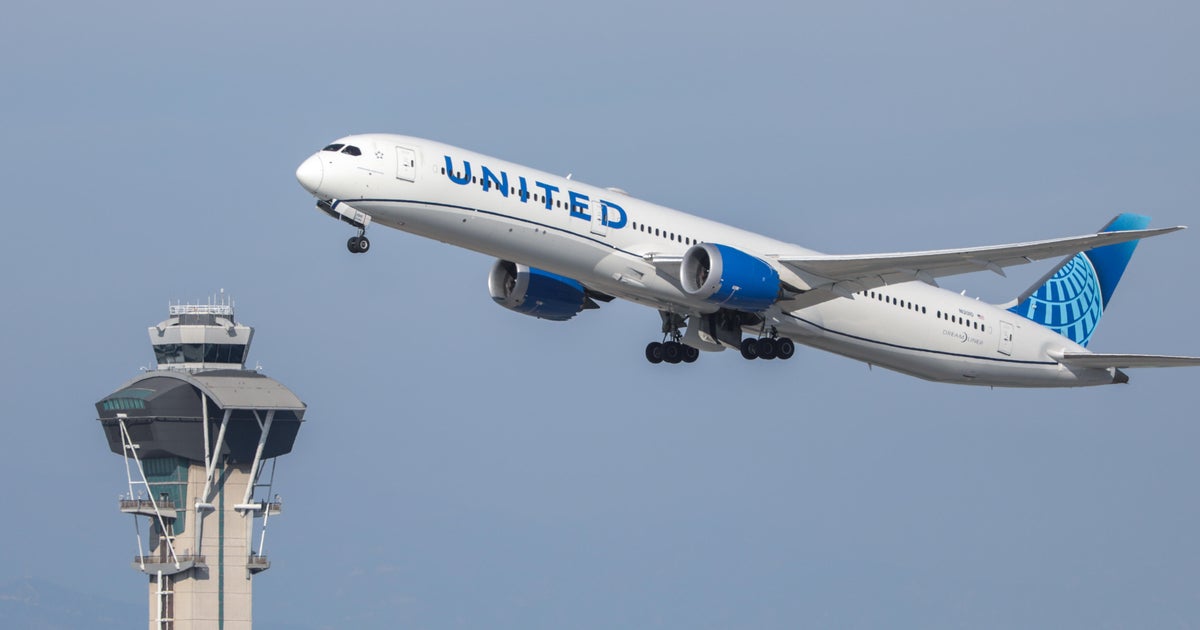
Major airlines are strategically implementing these cuts, primarily targeting regional and non-hub routes while striving to maintain long-haul and international services. United Airlines, for instance, confirmed its hub-to-hub and international flights would remain largely unaffected, focusing cancellations on regional operations. Delta Air Lines also anticipates operating the vast majority of its schedule, including all long-haul international flights, minimizing customer disruption. This approach aims to preserve network integrity and higher-margin routes.
The mandated flight reductions, driven by a "strongly negative" sentiment and a market impact score of 0.6, highlight significant operational and financial risks for the aviation sector. The National Air Traffic Controllers Association president emphasized increasing safety risks due to unpaid controllers, suggesting disruptions could resemble severe weather events and last for days. While airlines are offering fee waivers and refunds, the situation underscores the vulnerability of the travel industry to government policy impasses and infrastructure strain.
AI-powered research, real-time alerts, and portfolio analytics for institutional investors.
Request DemoOverall Sentiment
strongly negative
Sentiment Score
-0.70
Ticker Sentiment
