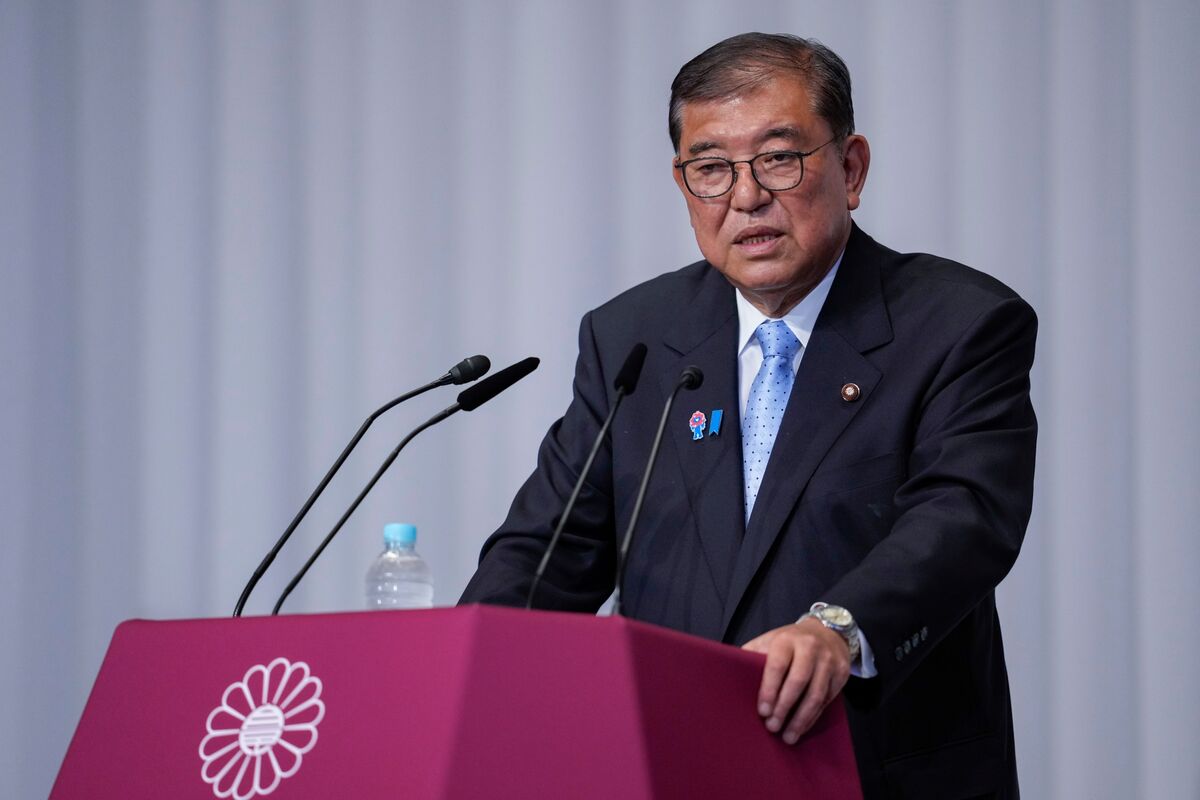
Japanese Prime Minister Shigeru Ishiba reaffirmed his intention to remain in power, dismissing speculation that the implementation of the recently secured US auto tariff reduction deal would alter his leadership plans. This statement signals political continuity in Japan following a significant trade negotiation success.
The statement from Japanese Prime Minister Shigeru Ishiba provides a dual signal of stability for investors focused on Japan. Firstly, he has publicly reaffirmed his intention to remain in his leadership role, directly addressing and dismissing speculation that his tenure was tied to the successful negotiation of a trade deal with Washington. This projection of political continuity reduces near-term domestic policy uncertainty. Secondly, this confirmation follows a significant achievement: securing lower US auto tariffs. While the article lacks specifics on the magnitude of the reduction, the successful outcome itself is a material positive for Japan's export-driven economy, particularly for its critical automotive sector. The moderately positive sentiment signal is justified as the event combines a favorable trade outcome with reduced political risk, creating a more predictable environment for capital allocation.
AI-powered research, real-time alerts, and portfolio analytics for institutional investors.
Request DemoOverall Sentiment
moderately positive
Sentiment Score
0.50
