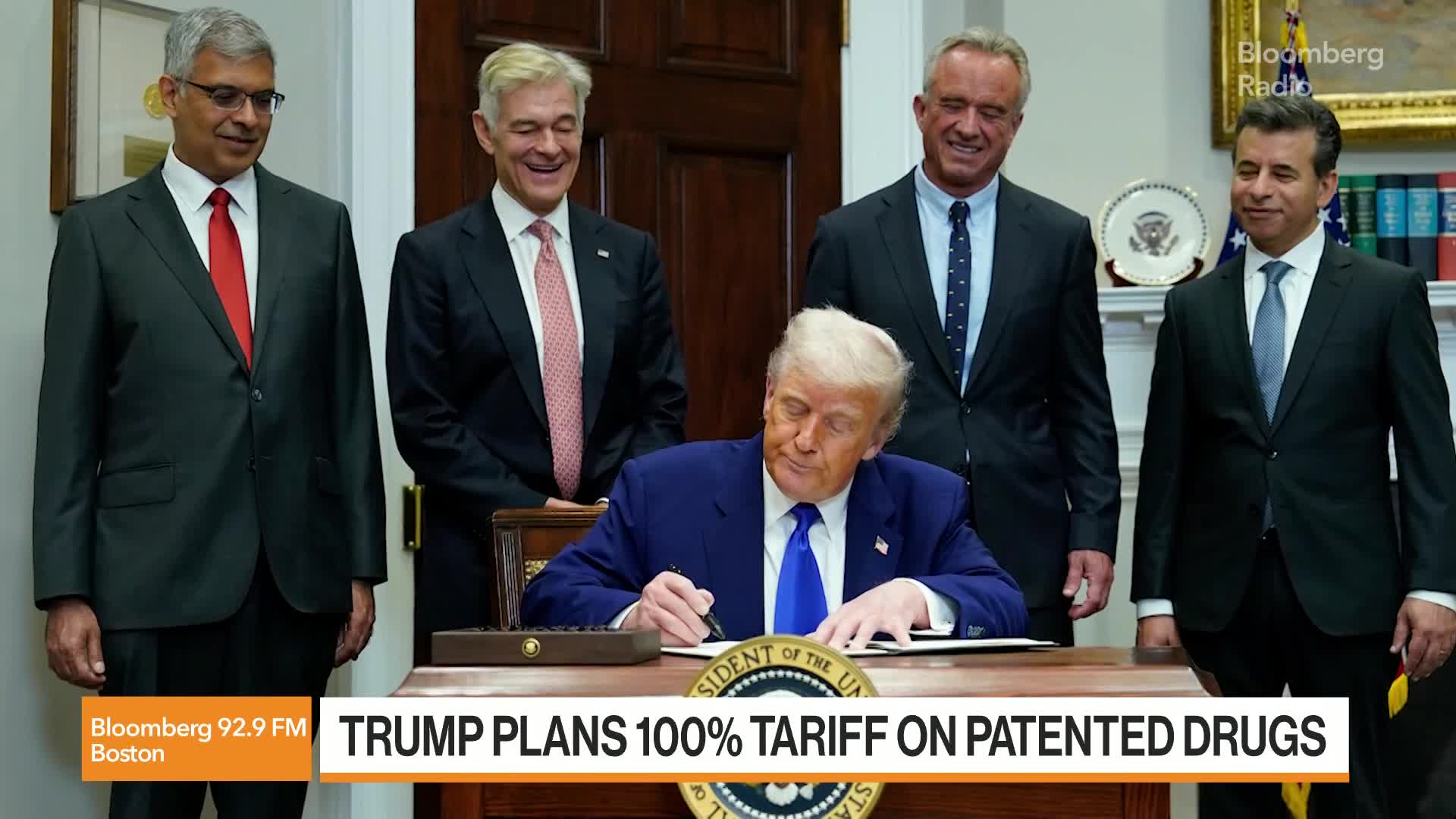
President Donald Trump announced new tariffs, effective October 1st, 2025, including a 100% duty on patented pharmaceutical products unless the producer is constructing a manufacturing plant in the U.S. This policy, also targeting heavy trucks and furniture, was posted on social media and lacks specifics on affected producers, creating significant uncertainty for pharmaceutical companies regarding future manufacturing and supply chain strategies.
A recent announcement by President Donald Trump outlines a significant potential shift in U.S. trade policy, proposing a 100% tariff on patented pharmaceuticals, heavy trucks, and furniture, effective October 1, 2025. The policy's most disruptive element targets the pharmaceutical sector, with the 100% duty on patented drugs being avoidable only if the producer is actively constructing a manufacturing facility within the United States. The announcement, delivered via social media, currently lacks critical specifics, creating substantial uncertainty for global pharmaceutical companies regarding their supply chain and capital allocation strategies. The market's reaction, reflected in a strongly negative sentiment score of -0.65, indicates deep concern over potential margin erosion and the operational overhaul required to comply. This policy, if enacted, would directly leverage tariffs to force the onshoring of high-value pharmaceutical production, fundamentally altering the financial and operational calculus for firms heavily reliant on overseas manufacturing for the U.S. market.
AI-powered research, real-time alerts, and portfolio analytics for institutional investors.
Request DemoOverall Sentiment
strongly negative
Sentiment Score
-0.65
