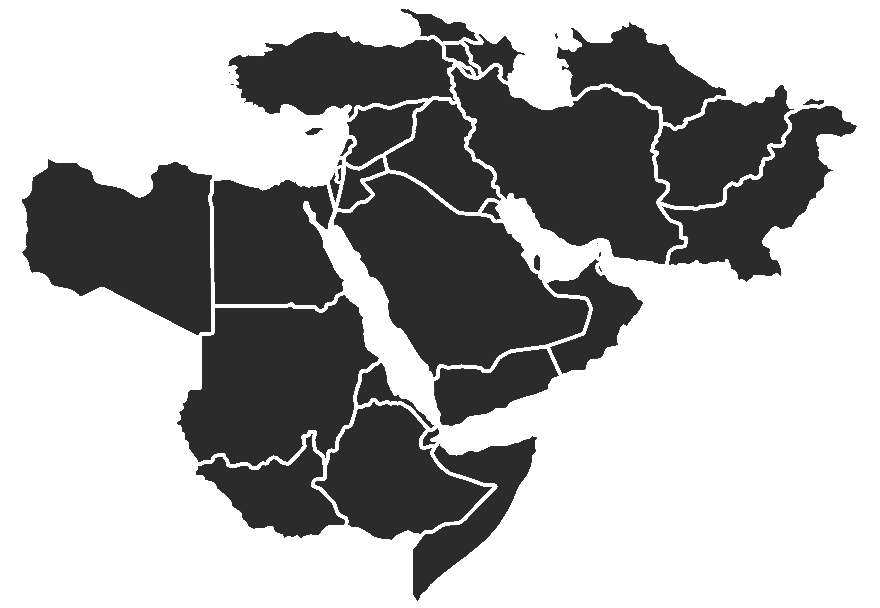
Iran has rejected US efforts to limit its ballistic missile program, framing missiles as a non-negotiable element of deterrence amid US threats and President Trump’s stated one-month timeline; the US has responded with heightened military posture, including dispatching the USS Gerald R. Ford. Separately, US officials reportedly smuggled 6,000 Starlink terminals into Iran to sustain protest communications, CENTCOM completed transfer of over 5,700 ISIS detainees from Syria to Iraq (roughly 3,000 Syrian nationals), and the US is withdrawing troops and transferring bases in northeastern Syria as escapes from the al Hol IDP camp continue; Lebanese forces are increasing action to curb Hezbollah smuggling. These developments raise regional political and security risk premiums, creating potential volatility for regional assets, energy routing risk, and operational exposure for firms with Middle East footprints.
Market structure: Regional escalation risk and durable Iranian refusal to limit missiles favor large US defense primes (Lockheed Martin LMT, Northrop Grumman NOC, RTX RTX) and satellite-communications suppliers (L3Harris LHX, Viasat VSAT, Iridium IRDM) that supply missiles, air defenses, and terminals. Energy producers (integrated oil majors, XOM/CVX) and physical commodities (Brent crude, gold) are potential near-term beneficiaries; airlines and EM corporates are losers if conflict spikes or sanctions widen.
Risk assessment: Tail risks include a material Iran-Israel/US kinetic escalation (low-prob ~10% next 3 months) that could push Brent >$120/bbl and spike US 10y yields by 50–100bp with S&P drawdown >10%. Cyber/satellite retaliation or export-control crackdowns on satellite kit (30–60 day catalyst) could reorder supplier winners. Hidden dependencies: US troop withdrawals and detainee transfers raise counter-ISIS risks that can reallocate US budget toward homeland/coalition defense spending over quarters.
Trade implications: Near-term (days–weeks) favor protective buys — GLD and short-duration US Treasuries protection via 2s/10s positioning — and tactical long exposure to LMT/NOC/RTX (3–6 month horizon) and LHX/VSAT/IRDM for Starlink/terminal demand. Use options (3-month call spreads on LMT/NOC; 3–6 month Brent call spread) to size risk. Hedge with small short EM sovereign debt (ETF EMB) position for contagion risk.
Contrarian angles: The market underestimates export-control/regulatory bifurcation: tighter US controls could hurt commercial VSAT players short-term but widen moat for defense primes long-term. Defense names have rallied in past similar tension cycles but meaningful mispricing exists in satellite-equipment small caps; consider buying disciplined volatility; beware overpaying if sanctions/legislation target specific vendors.
AI-powered research, real-time alerts, and portfolio analytics for institutional investors.
Request DemoOverall Sentiment
moderately negative
Sentiment Score
-0.60
