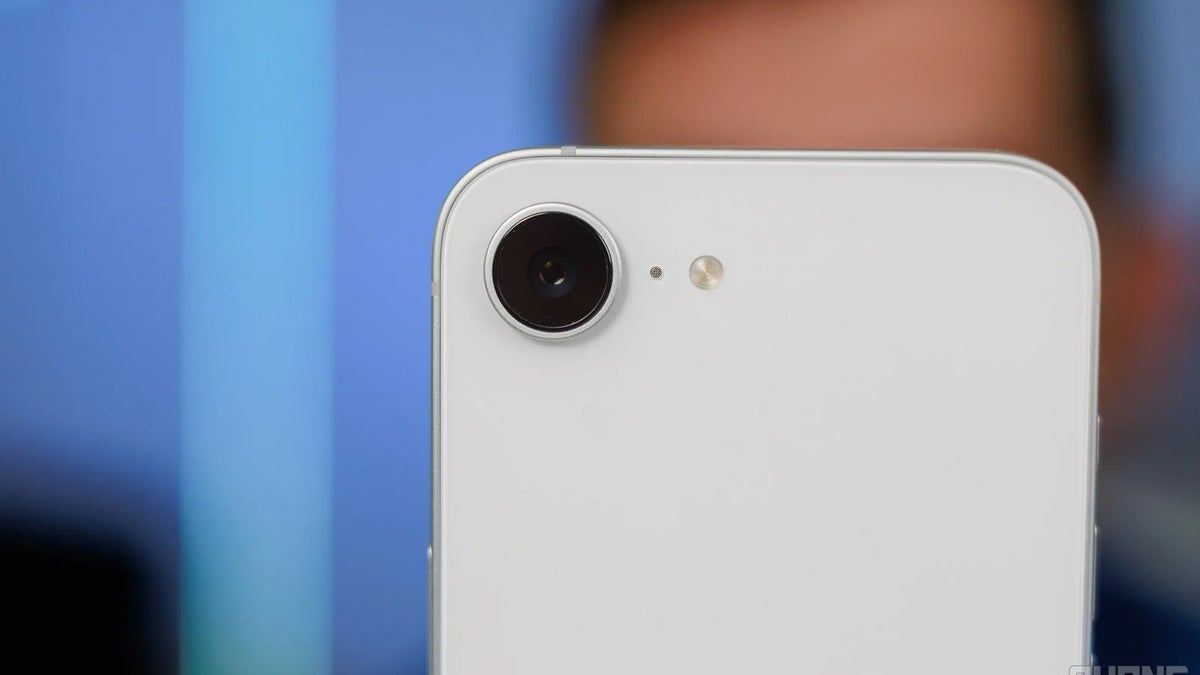
The iPhone 17e, positioned around a $600 price point, relies on a single 48MP main sensor and delivers consistently sharp, well-exposed, and vibrant photos, arguing that one strong camera can outperform multiple weaker lenses. Drawbacks include an aging 12MP selfie camera, limited true telephoto capability beyond a 2X crop (with 5X/10X being digital and unusable), though software upgrades like post-shot Portrait mode for people and pets improve usability.
Apple’s deliberate simplification of mid‑range camera hardware is not just product design — it’s a margin and complexity play. Removing multiple optical modules removes dozens of discrete parts (extra lenses, actuators, VCSELs, calibration steps) and associated test cycles; a conservative estimate is $15–40 of BOM savings per unit, which can translate into 100–300bps of gross margin tailwind if volume holds. That frees budget either to defend price points or to reallocate spend into software and services that increase lifetime value.
The supplier map will reconfigure quickly. One high‑quality sensor supplier will see concentrated demand and order smoothing (positive for Sony/TSM exposure), while smaller lens and actuator vendors will face downticks and have to hunt for alternative clients or accept lower pricing within 3–12 months. Separately, increasing reliance on computational solutions (portrait after‑capture, subject recognition) pushes work onto SoC and ISP capacity — a tailwind for TSMC and Apple’s own silicon cadence rather than modular camera vendors.
Competitors selling multi‑lens mid‑range phones face a harder choice: invest incremental cost to meaningfully improve optical quality or cede the “reliable camera” narrative to Apple and fight on price/software. Expect a short cycle of marketing parity attempts, then a bifurcation where successful OEMs either raise ASPs for genuinely better optics or shift to software parity and lower hardware margins over 6–18 months.
Primary downside catalysts that would invalidate this thesis are: a competitor shipping a truly superior multi‑optical mid‑range at scale within one product cycle, a measurable hit to ARPU from weaker selfie/video experiences that reduces iPhone upgrade intent, or a sensor supply shock that reverses BOM advantages. Watch iPhone mix, reported camera part orders, and handset NPS as the near‑term readouts.
AI-powered research, real-time alerts, and portfolio analytics for institutional investors.
Request DemoOverall Sentiment
mildly positive
Sentiment Score
0.25
Ticker Sentiment
