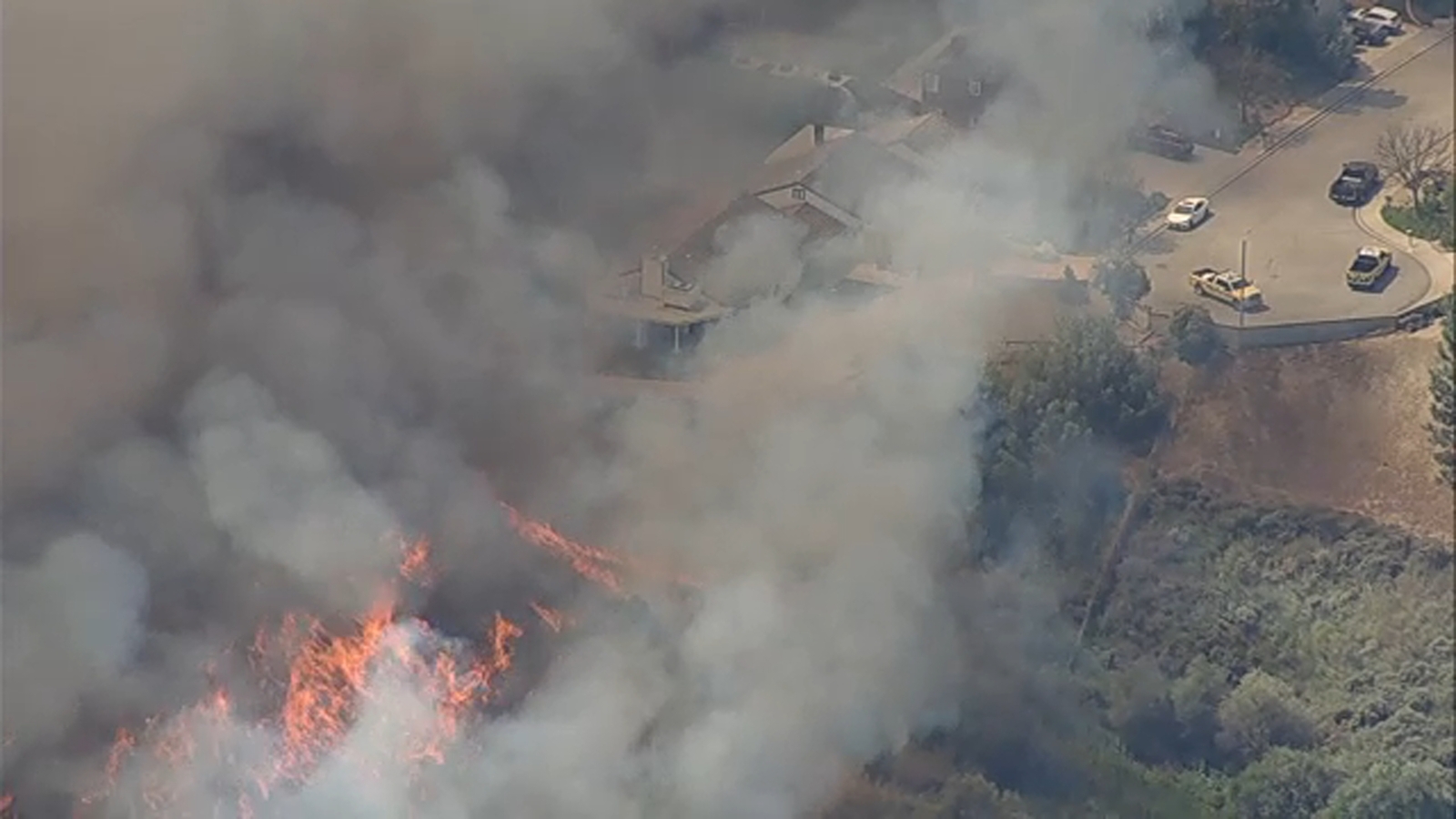
The Sandy Fire in Simi Valley has burned at least 836 acres with 0% containment, forcing evacuations and damaging at least one home. Fire crews have deployed 550 firefighters, with evacuation centers and a large-animal shelter activated as windy conditions increase fire danger. Police are investigating a possible brush-clearing spark as the ignition source.
The immediate market read is not about the burned acreage; it is about the probability distribution of secondary losses. A fast-moving wildfire near exurban housing tends to create a short-lived spike in local reconstruction demand, but the larger economic hit is usually through interruption to labor, insurance, and municipal services rather than the direct property loss itself. The first-order beneficiaries are not obvious public equities; the more durable winners are contractors, debris-removal operators, temporary housing providers, and insurers with disciplined California exposure — while the losers are underpriced California homebuilder margin assumptions and any carrier already carrying elevated wildfire reserves.
The second-order effect that matters most is insurance repricing. Even a single high-visibility event can tighten underwriting across a much broader zip-code cluster, especially when wind conditions and potential human ignition are in the narrative. That usually shows up over weeks to quarters as higher premiums, reduced coverage availability, and slower transaction velocity in the surrounding housing stock, which can pressure resale volumes before it affects headline home prices. If the fire season persists, expect a feedback loop: higher premiums weaken affordability, which reduces turnover, which in turn lowers ancillary demand for movers, mortgage originators, and broker commission pools.
On the asset side, the near-term risk is that the event is treated as isolated, when the real catalyst is whether this becomes the first of several regional incidents under similar wind conditions. A cluster of fires over the next 2-8 weeks would matter far more than the current acreage count because it would force insurers to re-underwrite the entire season’s expected loss ratio. The contrarian view is that the market may overstate the impact on homebuilders in the immediate area while underappreciating the longer-duration benefit to remediation and infrastructure-repair names if evacuation and utility hardening spending accelerates.
For portfolios, the cleanest expression is to own beneficiaries of damage remediation while fading the most exposed California property-risk proxies. The setup favors a tactical long in companies with wildfire-repair, roofing, or temporary housing exposure versus short baskets of California-heavy insurers or homebuilders if subsequent fires raise reserve concerns. The opportunity is best traded on confirmation of spread/containment failure rather than on day-one headlines, because volatility tends to be highest before claims estimates are credible.
AI-powered research, real-time alerts, and portfolio analytics for institutional investors.
Request DemoOverall Sentiment
strongly negative
Sentiment Score
-0.70
