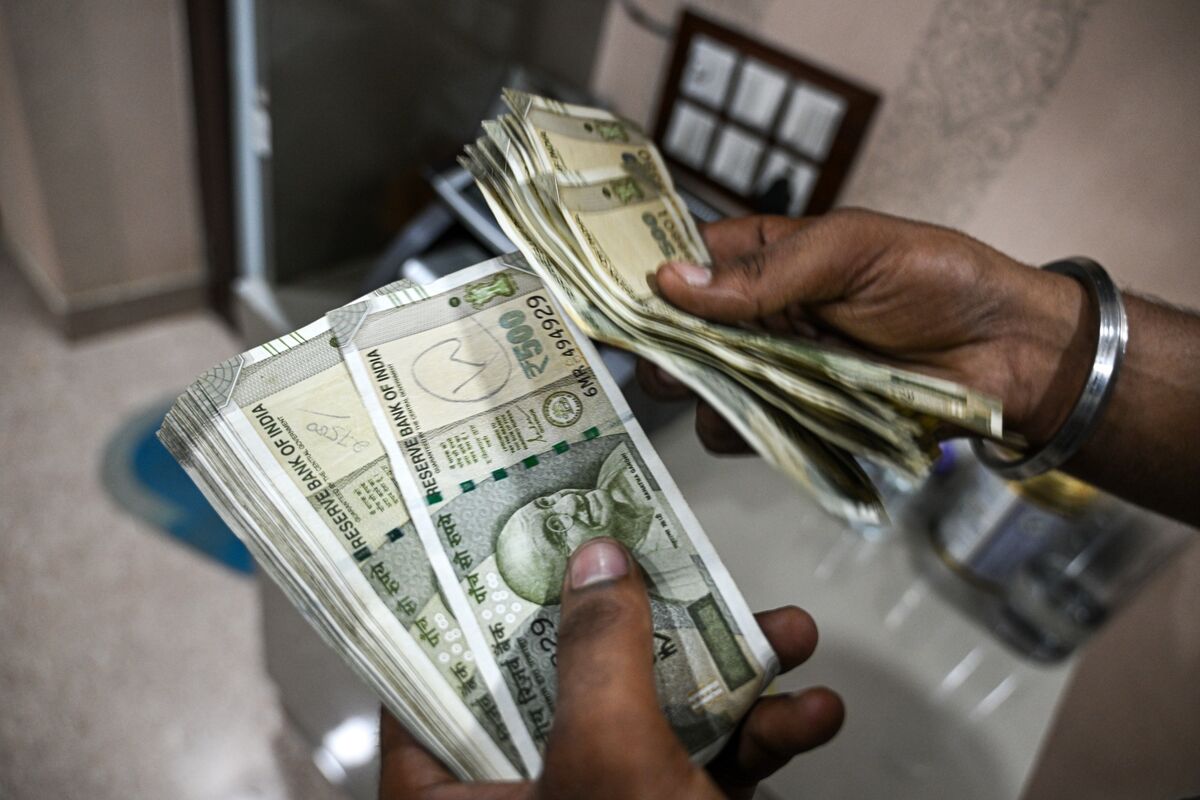
The Indian rupee has fallen to a new low, increasing pressure on policymakers as currency weakness raises import costs and potential inflationary risks for India. At the same time, Delhi’s persistent pollution problem and ineffective mitigation measures are creating political and social strain on authorities, complicating policy responses and likely weighing on investor sentiment toward Indian and other emerging-market assets.
Market structure: A weakening INR directly benefits dollar earners (IT services, software exporters, read-through to INFY/TEI/WIT and broad India-export ETFs such as INDA) via 1:1 revenue translation; importers (oil refiners, electronics OEMs, aviation, autos with large import content) see margin pressure and pricing power erosion. FX weakness increases RBI intervention probability, compressing FX forward curves and raising hedging demand; expect 1–4% elevated INR volatility over the next 30–90 days.
Risk assessment: Tail risks include a rapid FPI outflow or oil shock pushing USD/INR +7–10% in weeks and forcing 50–100bp RBI hikes — a scenario that would stress corporates with FX mismatch. Near-term (days) brings volatility spikes; short-term (weeks–months) policy response and FX reserve drawdowns matter; long-term (quarters+) depends on CAD trajectory, election flows and structural capex. Hidden dependencies: global rates, US dollar funding stress, and Delhi pollution-driven temporary shutdowns to transport/industry could shave GDP growth and FX inflows.
Trade implications: Tactical plays: long USD/INR via 3-month NDFs or call spreads targeting 84–86 within 3 months; overweight export-sensitive equities (1.5–3% notional in INFY or INDA) and underweight/import-heavy consumer names by similar size. Reduce sovereign duration (short India 10Y futures or sell 10Y paper) to hedge rate-hike/intervention risk; buy GLD (1–2% allocation) as tail hedges for FX-driven inflation and safe-haven demand. Use options (buy 3M USD/INR calls or buy gold call spreads) to limit premium spend and time bets to 1–3 months.
Contrarian angles: Consensus assumes persistent INR depreciation; market may overprice persistent weakness given RBI’s ~$600bn+ reserves and propensity to intervene — an overshoot/reversion trade is viable if USD funding stress eases. Historical parallels (2013 taper) show sharp rupee spikes reversed within 3–6 months after policy tightening; mispricings likely in export cyclicals and in vol (short dated INR vol may be rich). Unintended consequence: aggressive corporate hedging could create funding stress for smaller corporates — look for credit dispersion opportunities in Q2–Q3.
AI-powered research, real-time alerts, and portfolio analytics for institutional investors.
Request DemoOverall Sentiment
moderately negative
Sentiment Score
-0.35
