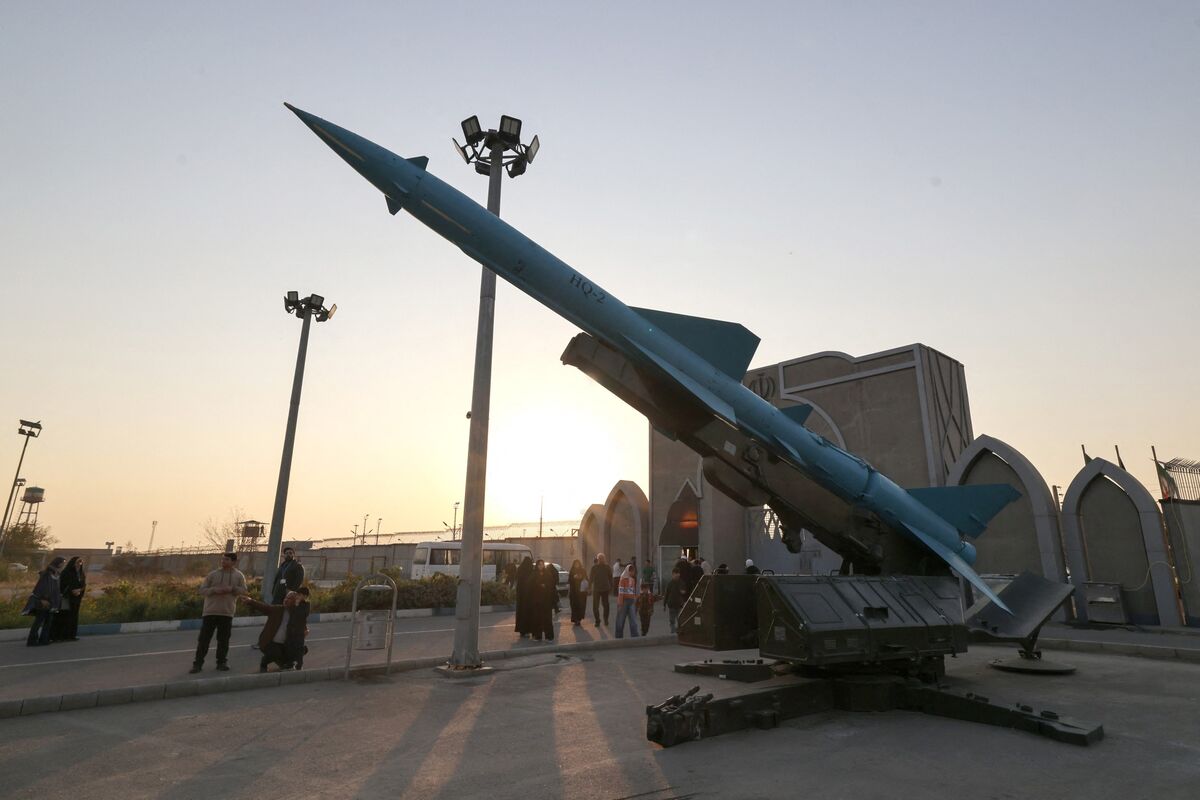
Iran struck the Al-Salmi, a fully laden Kuwaiti very large crude carrier (VLCC), in the anchorage area of Dubai port just after midnight, damaging the hull and causing a fire; KPC reported no crew injuries. The attack raises short-term risk premia for crude shipments from the Gulf, with potential upward pressure on oil prices, tanker insurance costs and shipping rates; monitor Brent/WTI moves, VLCC freight, and any escalation in regional attacks.
This attack creates a concentrated shock to the marginal cost of seaborne crude flows out of the Gulf that propagates through three mechanisms: immediate uplift to tanker voyage times (longer routing, slower turnaround) raising spot VLCC/Suezmax rates; a stepped-up war-risk premium from insurers that shows up as a tariff on every voyage within 2–8 weeks; and a rerating of counterparty credit for owners/operators with Gulf exposure. Expect spot freight to reprice within days and to remain elevated for 4–12 weeks as charters re-award contracts and underwriters push for higher premiums and more restrictive clauses.
Second-order supply impacts matter more than the headline strike. Refiners with flexible sour quotas will substitute barrels from West Africa and the US Gulf, widening differentials: Gulf-origin premiums can jump 3–8% relative to competing grades over 1–3 months, pressuring refiners that rely on tight Gulf-sourced feedstock. Logistics bottlenecks (port congestion in Dubai, re-routing to Fujairah/Oman) will raise tank-to-refinery delivered cost asymmetrically, favoring producers with pipeline options or storage close to demand centers.
Risk profile is asymmetric and time-dependent. Near-term (days–weeks) the biggest tail is escalation causing closure of key anchorages or insurance market freeze — that would spike freight by multiples and lift Brent strongly; medium-term (1–6 months) the main risk is premium hardening and longer voyage cycles that compress refiners’ margins; long-term (years) the outcome is structural higher war-risk premia and potential permanent rerouting which benefits asset-light brokers and large diversified tanker owners. The reversal catalyst is diplomatic de‑escalation or rapid insurer capacity injection (reinsurers/backstop facilities) which historically takes 2–8 weeks to normalize market pricing.
Contrarian view: the market tends to overshoot on headline attacks. Global oil inventories and floating storage capacity blunt an immediate supply shock; most modern charter agreements contain war-risk clauses that shift cost to charterers/insurers rather than owners, muting balance-sheet impact on many listed owners. Tactical plays should therefore favor short-dated, convex instruments that monetize a transitory volatility spike rather than large outright directional exposures that assume persistent supply destruction.
AI-powered research, real-time alerts, and portfolio analytics for institutional investors.
Request DemoOverall Sentiment
strongly negative
Sentiment Score
-0.55
