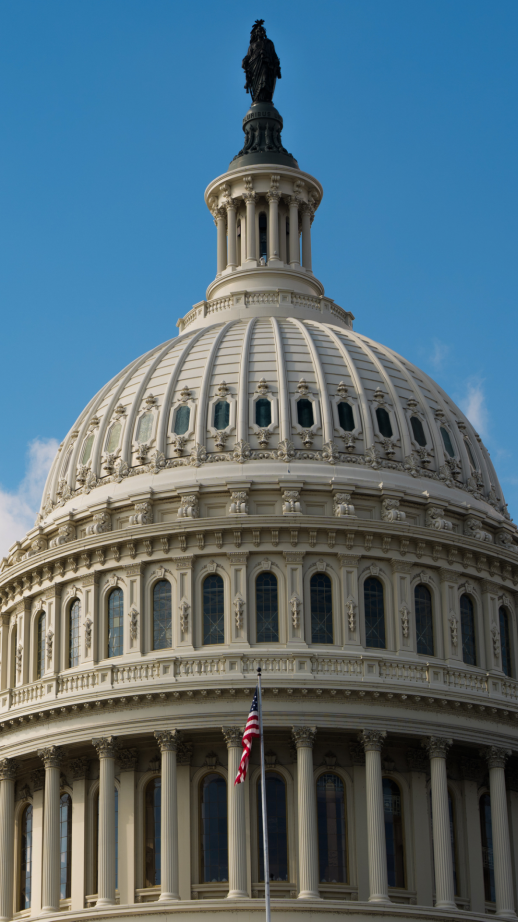
The US government shutdown has become the longest in history, now in its 36th day and surpassing the previous record set in 2019. With no resolution apparent, the economic toll from the prolonged closure is deepening, signaling growing concerns for market stability and broader economic performance.
The ongoing US government shutdown has reached an unprecedented duration, now in its 36th day, officially surpassing the previous record set in early 2019. This prolonged closure signifies a critical fiscal policy impasse with no immediate resolution in sight, underscoring the severity of the current political gridlock.
The deepening economic toll from this extended shutdown is a primary concern, as highlighted by the strongly negative sentiment score of -0.75 and pessimistic tone. This indicates growing anxieties regarding broader economic performance and market stability, with the lack of resolution exacerbating uncertainty across various sectors.
Given the absence of specific tickers, the market impact is likely systemic rather than confined to particular industries or companies. The high market impact score of 0.75 suggests significant potential for widespread disruption, reflecting the event's classification under "Fiscal Policy & Budget" and "Elections & Domestic Politics" with broad economic consequences.
AI-powered research, real-time alerts, and portfolio analytics for institutional investors.
Request DemoOverall Sentiment
strongly negative
Sentiment Score
-0.75
