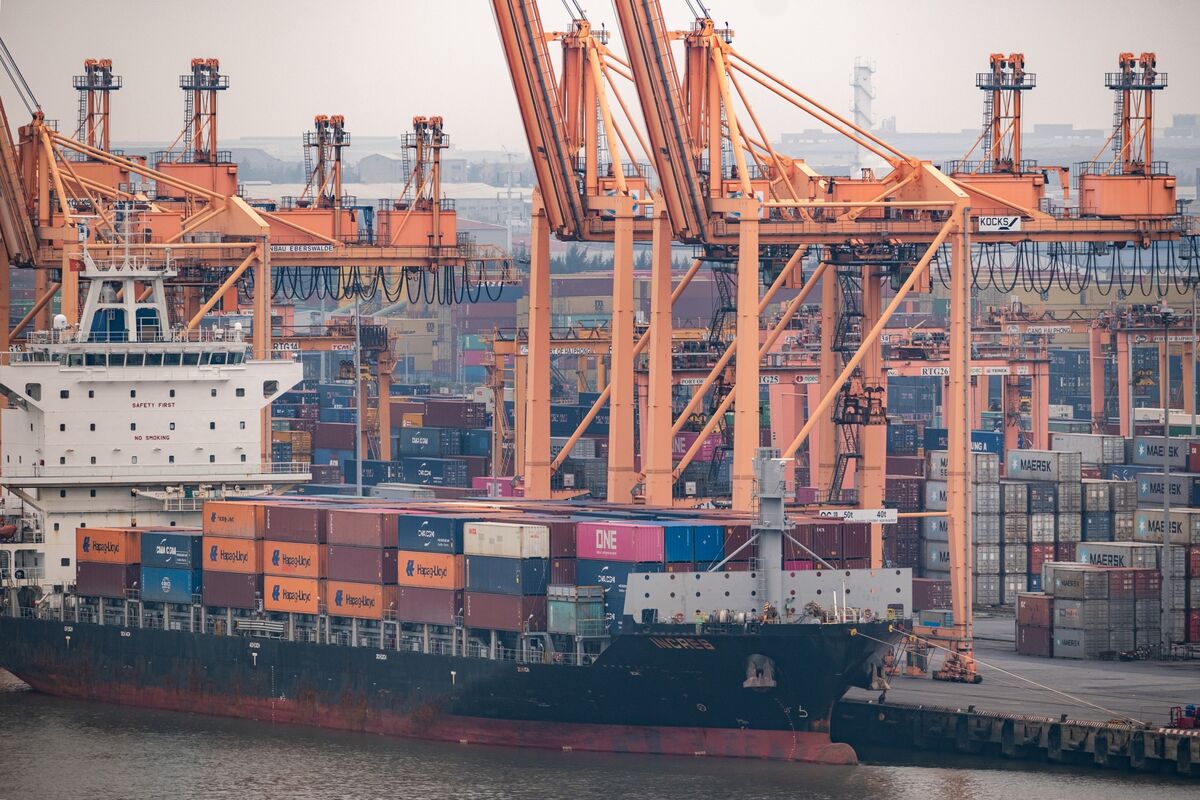
A recently unveiled US-Vietnam trade agreement introduces differentiated tariffs, imposing a 20% surtax on Vietnamese-produced goods and a 40% levy on items trans-shipped through Vietnam, primarily targeting Chinese inputs. This strategic move signals a clear imperative for companies operating in Vietnam to accelerate their shift up the value chain, fundamentally impacting regional supply chain dynamics and investment considerations.
A new US-Vietnam trade agreement introduces a significant strategic challenge for companies operating within the country, creating a bifurcated tariff system that penalizes supply chain inefficiencies. The deal imposes a 20% surtax on goods genuinely produced in Vietnam, while levying a much steeper 40% tariff on products that are merely trans-shipped through Vietnam, a measure explicitly aimed at disrupting the flow of Chinese-made inputs used for assembly. This policy effectively raises the cost base for all exporters to the US and creates a prohibitive barrier for firms reliant on a China-plus-one assembly model. The primary implication, underscored by the uncertain and mildly negative sentiment signals, is that companies are now under direct pressure to move up the value chain by developing local sourcing and manufacturing capabilities, shifting away from low-cost assembly to avoid the punitive 40% levy.
AI-powered research, real-time alerts, and portfolio analytics for institutional investors.
Request DemoOverall Sentiment
mildly negative
Sentiment Score
-0.35
