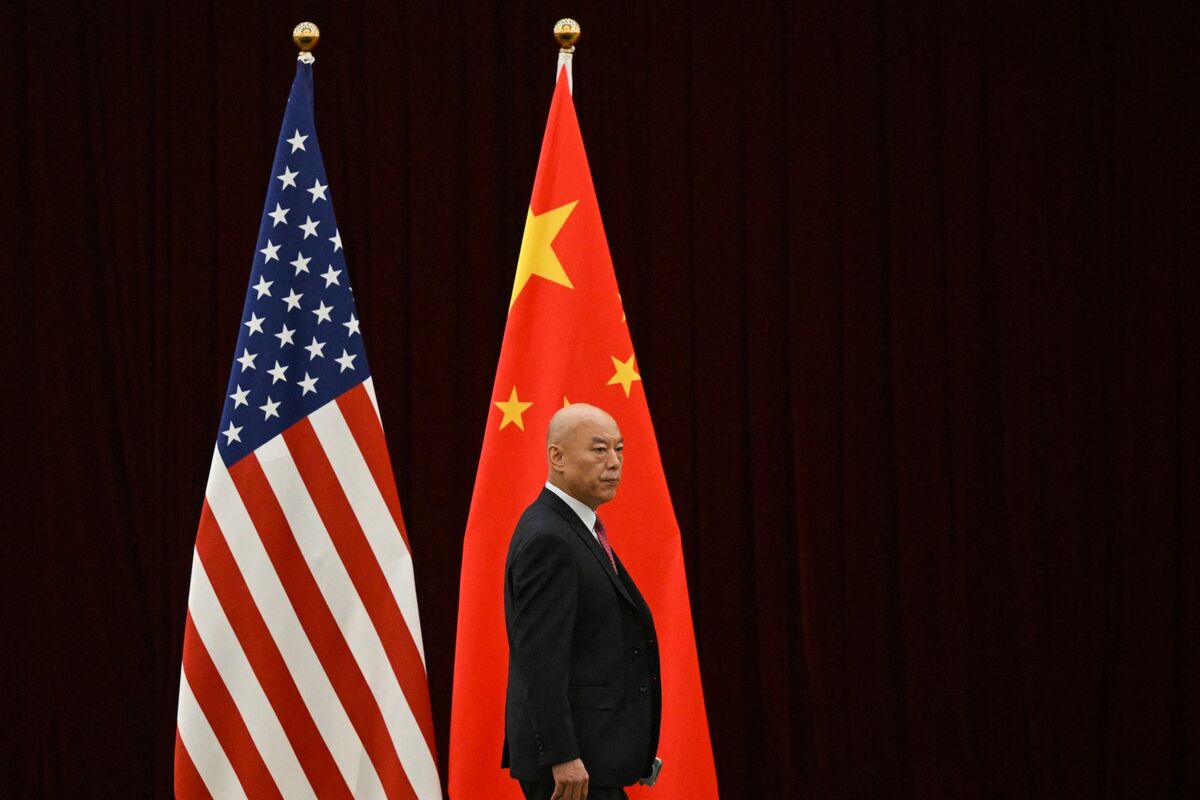
The US will skip senior-level representation at an APEC tourism meeting in Macau, citing China’s discriminatory visa rules for American diplomats. The move highlights escalating US-China friction over consular access and official travel, but the direct market impact appears limited and mainly diplomatic in nature.
This is a low-economic-impact but high-signaling geopolitics move: the market consequence is less about Macau tourism demand and more about the growing willingness of both sides to use administrative friction as leverage. The immediate winners are domestic Chinese tourism and hospitality operators tied to mainland flows, because official-channel disruption tends to redirect rather than eliminate travel; the losers are any cross-border service providers that depend on smooth consular coordination and business traveler certainty, even if they are not directly named here. The second-order risk is that “visa rules” become a template for broader bureaucratic retaliation across China-linked venues, which would raise the option value of political risk in Asia ex-Japan travel and event hosting over the next 1-3 months. That matters because corporate and government travel decisions are path-dependent: once an event is downgraded or skipped, follow-on attendance often stays lower for an entire planning cycle, depressing high-margin MICE-related revenue more than headline leisure volumes. The contrarian view is that this is likely more theater than regime shift. Macau is structurally reliant on mainland visitation, so Beijing has limited incentive to allow a meaningful impairment to the sector, and Washington’s snub may be designed for signaling rather than escalation. If the dispute fades without reciprocal action, any knee-jerk shorting of Asia travel or China-exposed hospitality would be overdone; the cleaner expression is to fade the small group of names with the highest sensitivity to policy-driven premium-tourist flows, not broad travel indices. Catalyst-wise, watch for any follow-up restrictions on staffing, consular access, or event attendance within days; that would extend the discount period. Over months, a repeat pattern would support a higher geopolitical risk premium for Macau-linked names and for international convention/business travel broadly, while a de-escalatory statement would quickly unwind it because the underlying demand backdrop is still intact.
AI-powered research, real-time alerts, and portfolio analytics for institutional investors.
Request DemoOverall Sentiment
mildly negative
Sentiment Score
-0.20
