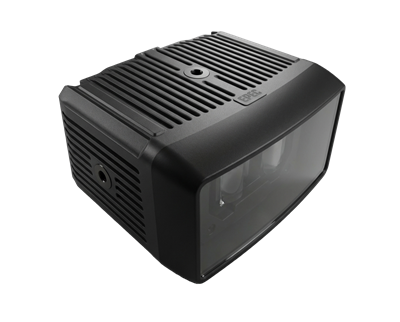
Epec will present a concept LiDAR system for mobile and off-highway machines at CES in Las Vegas (Jan 6–9), signaling a strategic move to extend its electronics and embedded software capabilities into perception technologies for safety, automation and situational awareness. The announcement is concept-stage with technical details still evolving and customer discussions guiding the roadmap—potentially expanding Epec's addressable market in industrial vehicle autonomy but with limited near-term revenue impact given the early development status.
Market structure: Epec’s CES LiDAR concept signals incremental demand segmentation — a shift toward industrial-grade, ruggedized LiDAR for off‑highway machines that benefits specialist LiDAR vendors, MEMS/analog suppliers, and OEMs (Caterpillar/Deere) pursuing autonomy. Expect 1–3 percentage-point annual share migration from general-purpose automotive LiDAR to purpose-built mobile LiDAR over 2–5 years, raising pricing power for niche suppliers but compressing margins for incumbents that fail to adapt.
Risk assessment: Tail risks include regulatory restrictions on scanning lasers or export controls (low-probability, high-impact) and technical failures in harsh environments causing recalls or warranty hits; these could compress valuations by 30–50% in a stress event. Near-term (days-weeks) impact is limited; short-term (months) depends on CES design-win announcements; long-term (2–5 years) depends on adoption cadence and component lead times.
Trade implications: Direct plays are pure-play LiDAR names and upstream analog/MEMS suppliers (expect revenue growth +20–50% in adoption scenarios). Consider option strategies to express asymmetric upside into CES-driven catalyst windows while hedging with conservative positions in industrial OEMs for exposure to gradual automation adoption.
Contrarian angles: Consensus underestimates integration/regulatory friction and aftermarket service costs for off‑highway LiDAR; adoption could be slower than automotive timelines (by 12–36 months). A risk is consolidation — smaller LiDAR vendors may be acquisition targets, capping public upside even as the tech wins share.
AI-powered research, real-time alerts, and portfolio analytics for institutional investors.
Overall Sentiment
mildly positive
Sentiment Score
0.35
