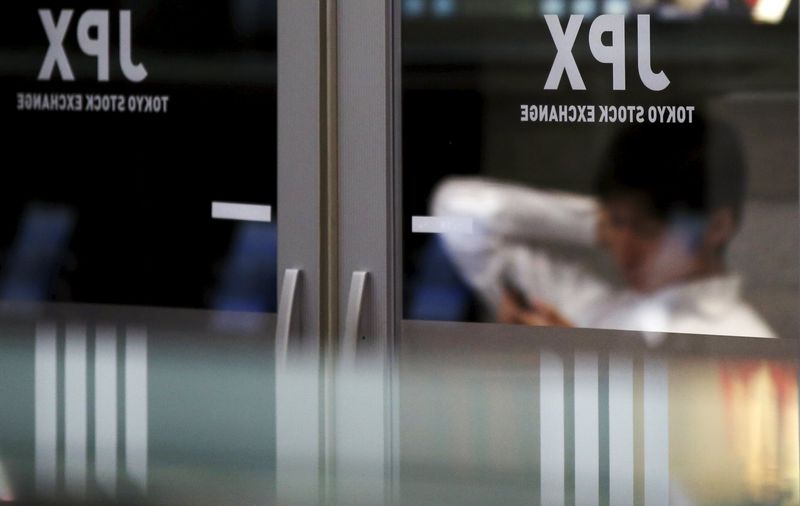
The Nikkei 225 fell 1.08% as decliners outnumbered advancers 2,444 to 1,201, with Paper & Pulp, Transport and Communication leading the downside. Terumo jumped 18.57% and Recruit Holdings rose 16.58%, while Marui Group sank 8.53% to a 52-week low and Kioxia gained 15.75% to an all-time high. Broader market tone was defensive, with Nikkei volatility up 0.13% to 29.71, oil prices firmer, and USD/JPY edging up 0.08% to 158.89.
The tape is telling us the market is rotating from geopolitics into macro plumbing: rates, policy credibility, and FX are now the primary drivers. A softer risk regime with higher realized vol is typically bad for domestically oriented cyclical and consumer-credit-sensitive names, while any balance-sheet exposed to yen weakness or imported input costs gets squeezed twice — once on valuation and again through margin pressure. The fact that volatility is holding up even as war premia fade suggests this is less a clean de-risking and more a re-pricing of policy uncertainty.
The biggest second-order effect is in Japan’s rate-sensitive sectors. Higher yen volatility and a stubbornly weak currency support exporters with dollar-linked revenue, but they also raise the odds of political pressure on the BOJ and fiscal authorities to respond if imported inflation re-accelerates. That puts banks, insurers, and leveraged domestic demand names on the wrong side of a potential regime shift: if the market starts pricing even a modest policy normalization, the air pocket hits duration-heavy equities first, while credits tied to consumer discretionary spending can see earnings downgrades over the next 1-2 quarters.
The commodity move matters more for terms-of-trade than for headline CPI. Firm crude with soft gold and a still-elevated USD/JPY implies Japan’s current-account cushion remains vulnerable; that usually feeds through with a lag into transport, utilities, and smaller industrials via fuel and logistics costs. In other words, the index can look cheap on forward P/E while underlying breadth deteriorates — a classic setup for continued index-level chop and underperformance in the median stock.
Consensus is likely overestimating how quickly the market can hand off from war-risk to policy-support. If fiscal headlines disappoint or the Fed stays restrictive longer, the recent stabilization in sentiment can unwind fast because positioning has migrated into crowded winners and away from balance-sheet defensives. The better contrarian lens is that lower geopolitical stress does not equal lower volatility; it often just reclassifies the risk from exogenous shock to policy error, which is harder to hedge and slower to resolve.
AI-powered research, real-time alerts, and portfolio analytics for institutional investors.
Request DemoOverall Sentiment
mildly negative
Sentiment Score
-0.15
