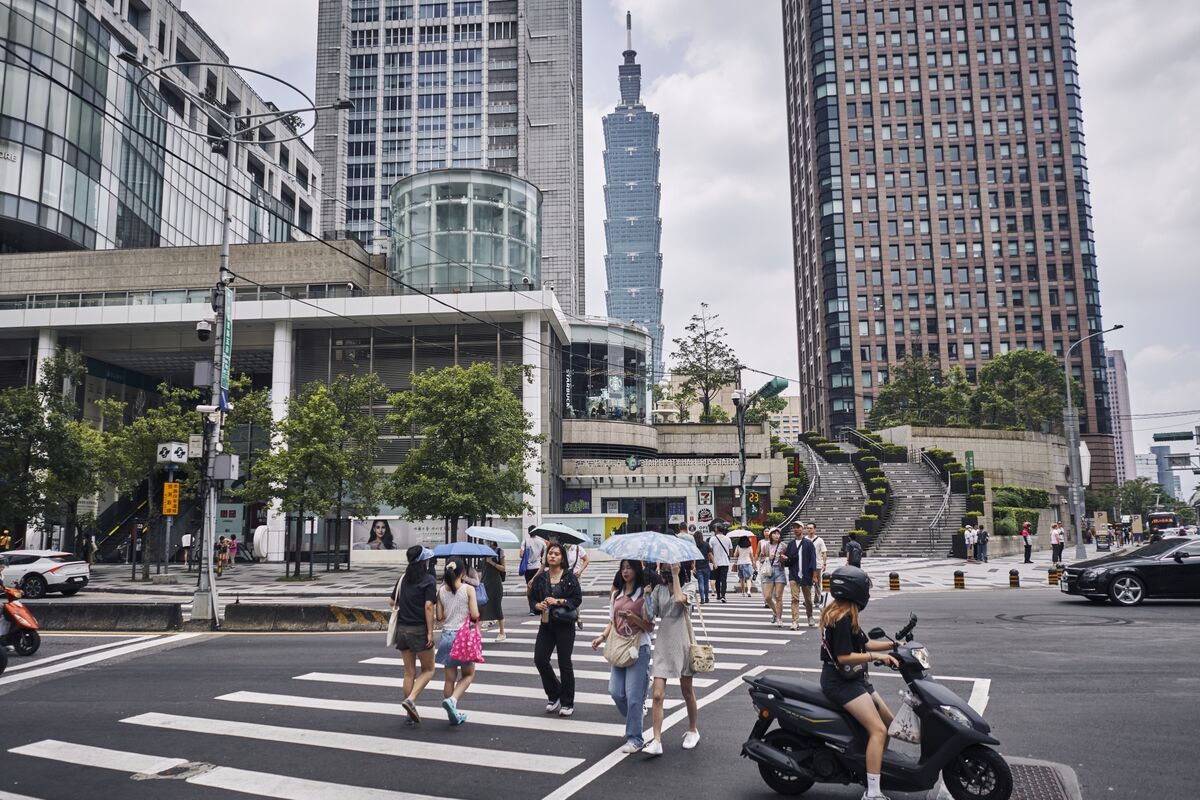
Taiwan's cabinet announced a significant increase in its domestic investment lending quota for companies, allocating NT$720 billion ($24.9 billion) for 2025-2027, doubling the previously planned NT$360 billion. This measure aims to fortify the economy against challenges, including potential tariffs from a new Trump administration, and is further supported by subsidized loan application fees and expanded migrant worker quotas under specified conditions.
The Taiwanese government is proactively implementing a significant fiscal stimulus measure by doubling its domestic investment lending quota to NT$720 billion ($24.9 billion) for the 2025-2027 period. This policy is explicitly aimed at insulating the local economy from external uncertainties, particularly the risk of potential trade tariffs from a new U.S. administration. The program's efficacy is further enhanced by incentives such as subsidized loan application fees and relaxed regulations on hiring migrant workers, which collectively lower the cost of capital and labor for companies investing domestically. This strategic move signals a government-led effort to encourage onshoring and strengthen domestic supply chains, directly addressing geopolitical risks by boosting internal economic resilience. The increased liquidity and favorable borrowing terms are poised to stimulate capital expenditure across various domestic sectors, providing a buffer against potential disruptions in international trade.
AI-powered research, real-time alerts, and portfolio analytics for institutional investors.
Request DemoOverall Sentiment
moderately positive
Sentiment Score
0.50
