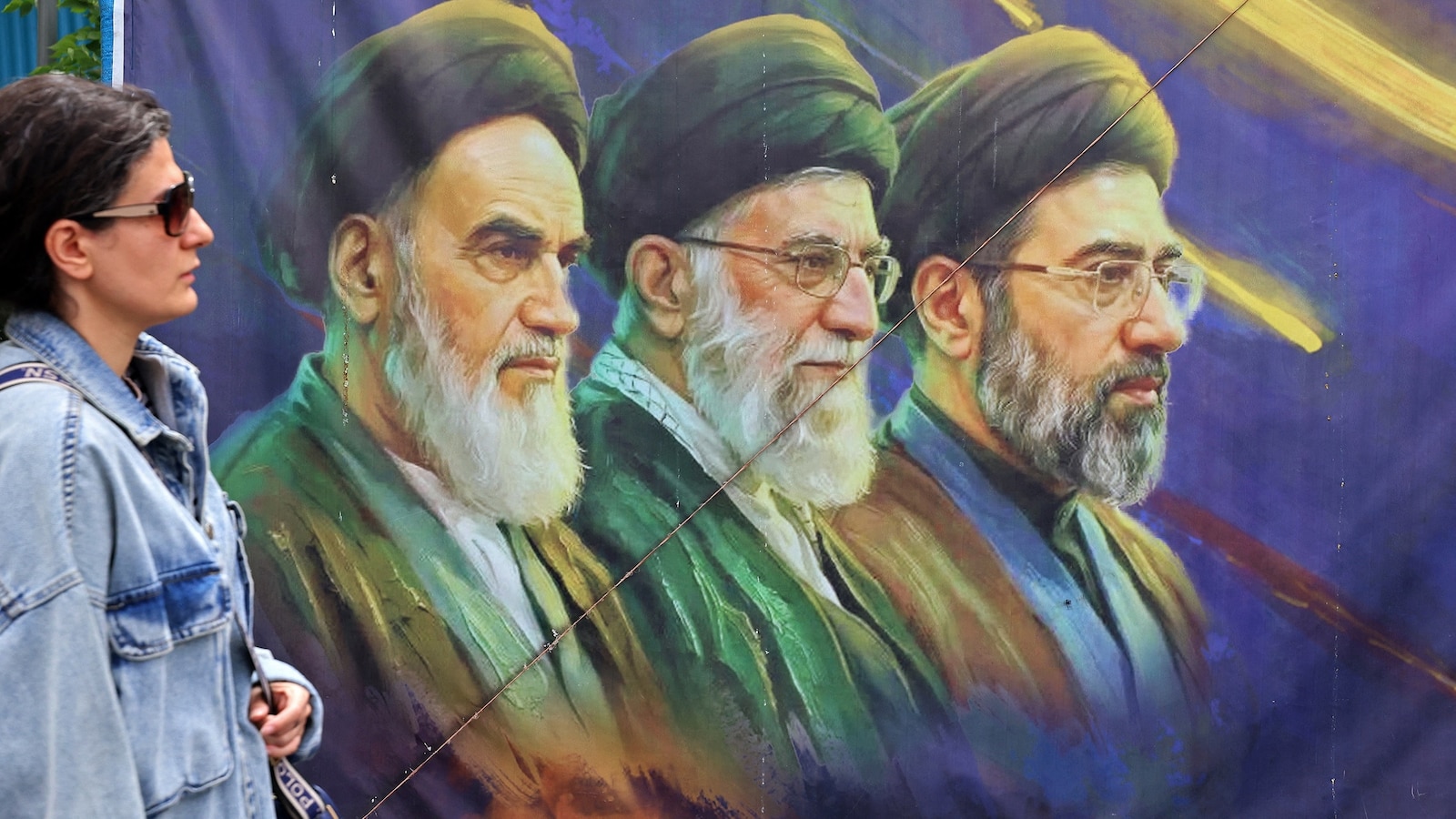
Iran is intensifying its crackdown on dissent amid the U.S.-Israel war and ceasefire, with reports of mass arrests, confiscation of assets, and a sharp rise in executions. Human rights groups cited more than 1,639 executions in 2025, up 68% year over year and the highest since 1989, while at least 10 political prisoners were executed during the conflict. The article highlights escalating repression, internet blackouts, and threats to journalists, activists, and families inside and outside Iran.
The investable read-through is not a near-term regime-change trade; it is a duration trade on repression risk premium. In the next days to weeks, the market should expect tighter domestic controls to suppress protest intensity, which lowers the probability of a rapid political inflection even as it raises the probability of sporadic violence, cyber disruption, and retaliatory detentions. That combination is usually more bearish for risk assets than open unrest, because it preserves headline stability while increasing tail risk that is difficult to hedge. The second-order effect is on human-capital leakage and state capacity: when journalists, lawyers, and activists are pushed offshore or silenced, institutional feedback loops degrade, making policy errors more likely and reform less probable. For EM allocators, that means Iran-linked country risk stays structurally uninvestable, but the larger implication is a higher geopolitical risk premium across the Gulf, Israel-linked supply chains, and any asset exposed to Strait-of-Hormuz disruption. Defense, surveillance, and cybersecurity budgets should see a modest bid over a 3-12 month horizon as regional governments internalize the lesson that internal dissent and external conflict are now intertwined. The contrarian point is that maximal repression can be self-defeating: it may temporarily reduce street action, but it also increases regime brittleness by pushing dissent into harder-to-monitor channels and by deepening elite fragmentation when the state overuses coercion. The consensus may be underestimating how quickly a ceasefire can reduce immediate war headlines while leaving a higher background probability of arrests, sanctions escalation, and covert action. That is why the base case is not a directional commodity move, but a volatility regime shift with asymmetric upside in defense/monitoring names and downside in any asset that needs stable Gulf shipping assumptions.
AI-powered research, real-time alerts, and portfolio analytics for institutional investors.
Overall Sentiment
strongly negative
Sentiment Score
-0.78
