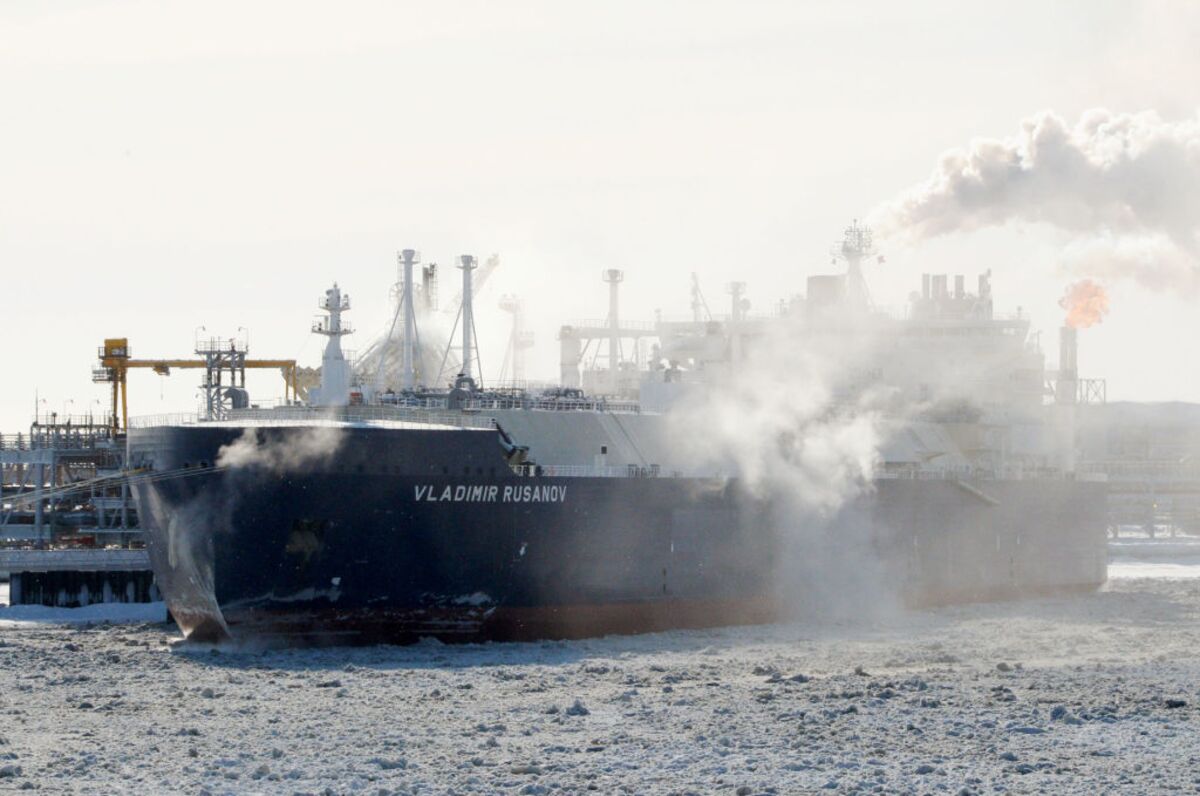
Mitsui O.S.K. Lines, the world's largest owner of liquefied natural gas carriers, reports difficulty in acquiring Chinese vessels due to increased U.S. scrutiny of China's shipbuilding industry and proposed port entry fees for China-built ships. This development highlights the escalating trade tensions and potential disruptions in the global shipping market, particularly impacting companies reliant on Chinese shipbuilding.
Mitsui O.S.K. Lines (MOL), recognized as the owner of the world's largest fleet of liquefied natural gas (LNG) carriers, has explicitly stated difficulties in purchasing Chinese-built vessels for the foreseeable future. This operational challenge is attributed to increased United States scrutiny over China's shipbuilding industry and, critically, proposed US port entry fees for ships constructed in China that call at American ports. This development signals an escalation in trade tensions, directly impacting global shipping logistics and procurement strategies for major fleet operators like MOL. The situation introduces uncertainty and is perceived as moderately negative, with a moderate potential market impact, particularly concerning the future availability and cost of new LNG carriers and potentially other vessel types if such trade policies broaden.
AI-powered research, real-time alerts, and portfolio analytics for institutional investors.
Request DemoOverall Sentiment
moderately negative
Sentiment Score
-0.40
