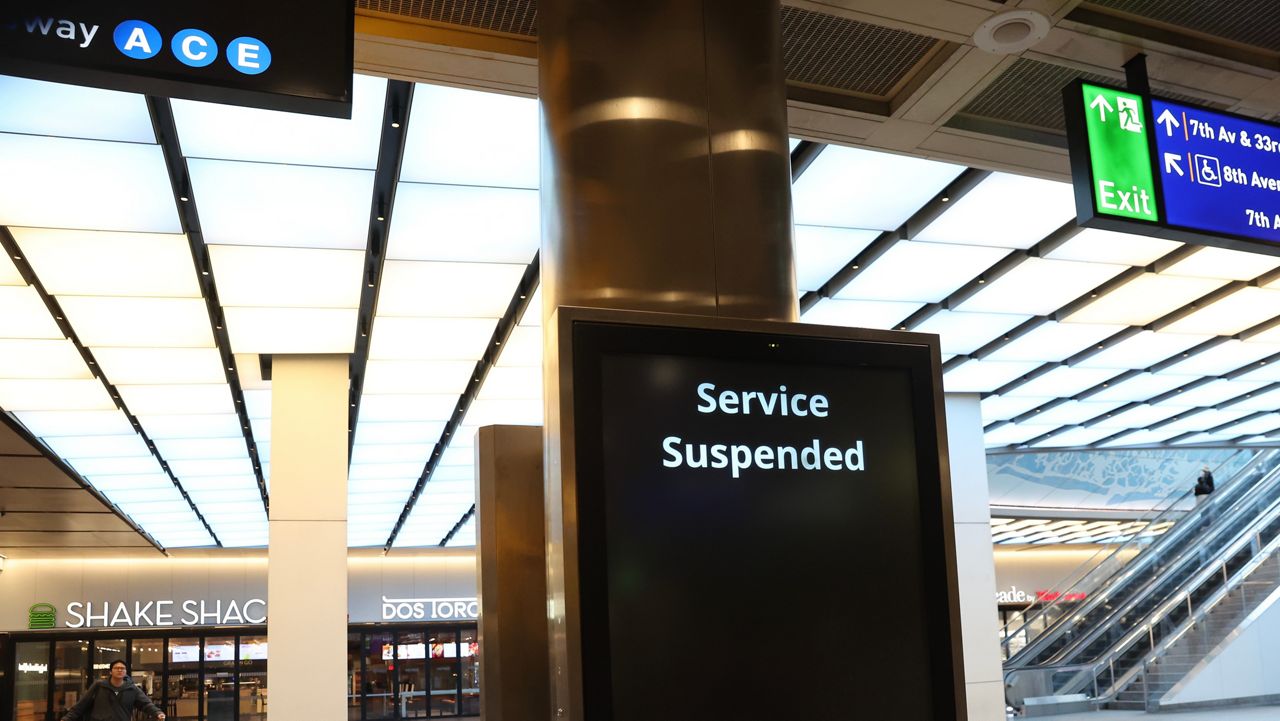
The Long Island Rail Road strike extended into a third day, but MTA Chair Janno Lieber said service could resume as soon as the next day after a deal is reached. Overnight talks made progress, with bargaining resuming after intervention from the National Mediation Board and Gov. Kathy Hochul. Lieber said federally required inspections and equipment repositioning are still needed before trains can return to normal service.
The immediate market read is less about the rail operator itself and more about the bargaining template it sets for other transit labor groups. If management successfully holds the line on “parity” with prior contracts, it reduces the odds of a wage-cost contagion across the broader state/municipal transportation complex; if it caves, the signal goes the other way and raises strike risk in future rounds by validating work stoppages as a negotiation lever.
The second-order winner from any rapid restart is local economic activity tied to commuter throughput: daily service normalization matters more than the headline deal because the revenue/mobility loss is highly front-loaded. The key timing variable is whether service resumes inside a 24-hour window after agreement, which limits customer churn and reduces the chance that stranded riders permanently shift to buses, car pools, or remote work patterns. A longer outage would start to create a harder-to-recover ridership gap, especially on discretionary peak-direction travel.
For investors, the more interesting setup is political rather than operational. A settlement under gubernatorial pressure likely lowers near-term labor uncertainty into the next election cycle, but it also increases the probability of higher baseline labor costs being pushed into future fare or subsidy debates. That creates a delayed inflationary pressure on the transit system rather than an earnings shock today.
Contrarian angle: the market may be overestimating how much relief a deal would provide to the broader transportation ecosystem. Even after a settlement, the strike has probably accelerated management’s push toward contingency planning, which is structurally positive for service resiliency but negative for labor leverage over time; the real medium-term loser may be union bargaining power, not commuters.
AI-powered research, real-time alerts, and portfolio analytics for institutional investors.
Request DemoOverall Sentiment
mildly negative
Sentiment Score
-0.15
Ticker Sentiment
