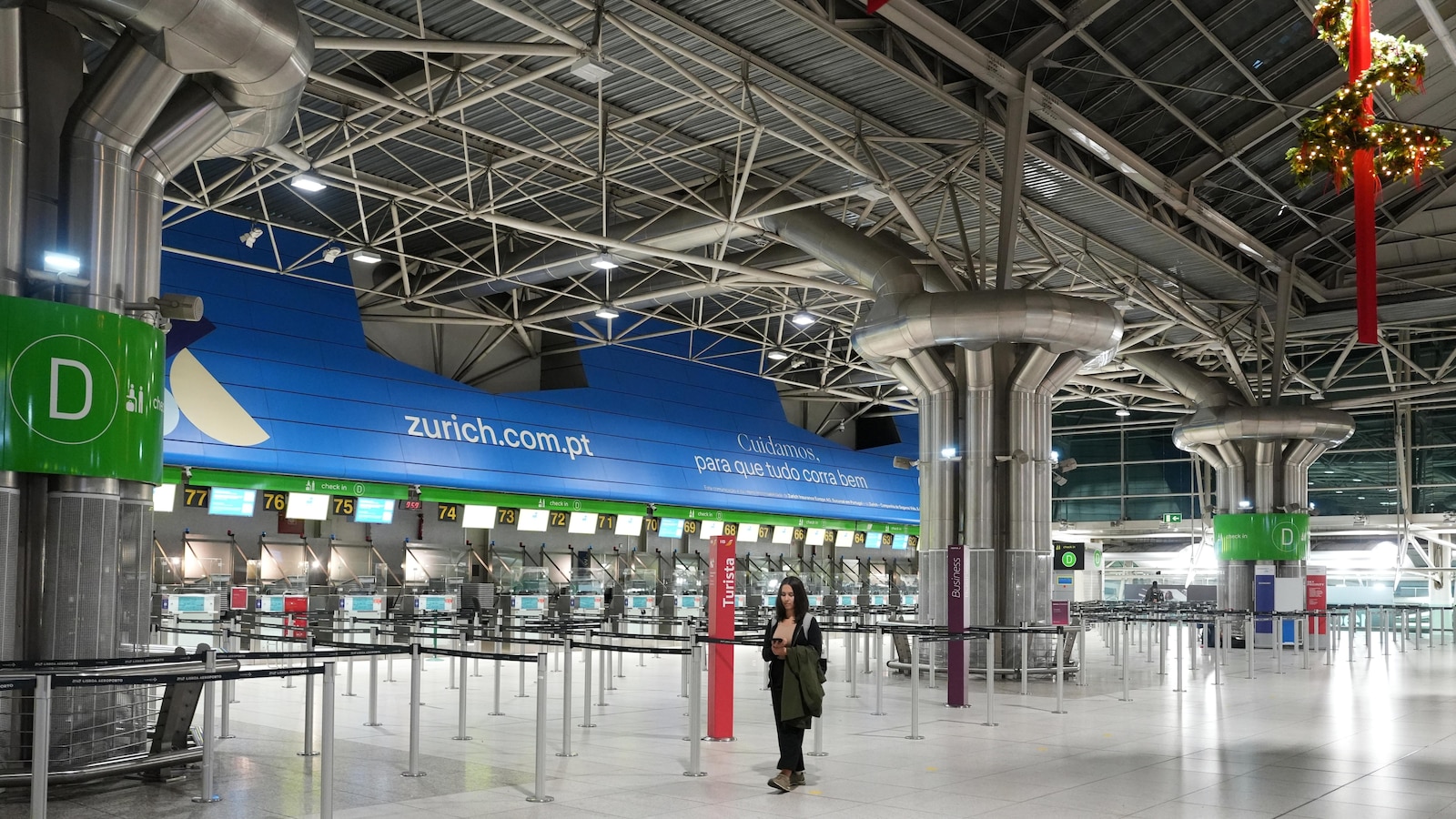
Portugal’s two main trade union confederations, representing close to a million workers, staged what unions called possibly the country’s biggest walkout in more than a decade, disrupting travel and public services Thursday—dozens of flight cancellations as TAP ran 63 of 283 scheduled flights, suspended metro service, skeleton train and bus operations, canceled medical appointments and school classes, and halted some trash collection. The unions are protesting center-right Prime Minister Luis Montenegro’s proposed employment-law changes — easing firings, restricting strike rights in additional sectors and capping breastfeeding breaks at two years — which the government says are needed to make the economy more flexible and spur growth. The first joint action by these umbrella unions since 2013 highlights mounting social stress amid low wages (average monthly pay ~€1,600; minimum €870), housing and cost‑of‑living pressures, and could heighten political resistance to the government’s reform agenda despite Portugal’s modest growth and near‑average EU unemployment.
Portugal's two main trade union confederations staged what they called possibly the country's largest walkout in more than a decade, disrupting travel and public services nationwide; TAP Air Portugal operated 63 of 283 scheduled flights and the Lisbon Metro suspended service until Friday, while trains, buses, medical appointments, schools and municipal services including trash collection were heavily affected. The unions represent close to a million workers and this is the first joint action by the General Workers’ Union and the General Confederation of Portuguese Workers since 2013, signaling heightened labor coordination.
The strike targets center-right Prime Minister Luis Montenegro's proposed employment-law changes — easing dismissals, restricting the right to strike in additional sectors and capping breastfeeding breaks to two years — which the government argues are necessary to make the economy more flexible and spur growth; the prime minister labeled the action “senseless.”
Macro context amplifies the political sensitivity: average monthly wages are about €1,600 and the minimum is €870, inflation is just over 2%, housing costs are rising, European Commission growth forecast for Portugal is roughly 2% this year and unemployment is under 6%. Sentiment measures provided are moderately negative (score -0.45) with a modest market-impact score (0.3), implying concentrated near-term disruption to transportation, travel, logistics and public-service operations and an elevated risk that social pushback could slow or alter the reform agenda.
AI-powered research, real-time alerts, and portfolio analytics for institutional investors.
Request DemoOverall Sentiment
moderately negative
Sentiment Score
-0.45
