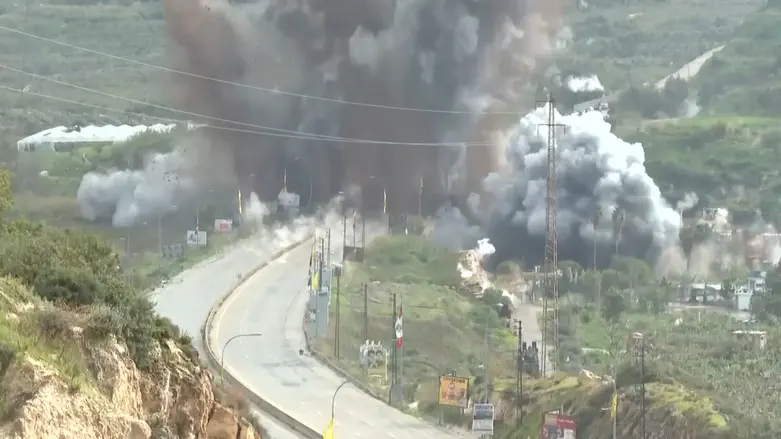
IDF struck the Qasmiya Bridge across the Litani River to disrupt Hezbollah's ability to move reinforcements and weapons; an urgent evacuation message urged civilians to travel north of the Zaharani River. The strike targets transport infrastructure and degrades militant mobility in southern Lebanon, raising localized security and logistics risks. Monitor for escalation that could widen regional risk premia and pressure nearby asset prices or transport routes.
A targeted interdiction of a coastal logistics node materially raises transit frictions for southbound movement along the Levant corridor, forcing reroutes that add time and cost to last‑mile logistics. Expect local trucking rates to rise mid‑single digits to low‑double digits percentage points for 2–8 weeks as volume diverts to longer coastal or inland routes and as operators factor in higher security and insurance costs. Smuggling and irregular resupply networks will shift modality (more maritime and airborne attempts), increasing demand for ISR, maritime patrols, and counter‑UAV capabilities on a 1–6 month horizon.
Defense and specialist engineering contractors are the natural near‑term beneficiaries: surge demand for surveillance, precision munitions, mobile bridging/engineering, and repair contracts typically manifests within 4–12 weeks and converts to multi‑quarter revenues for suppliers with regional supply chains. Marine war‑risk insurance premiums for Levant coastal lanes should reprice higher by an observable margin (think +10–30% on specific voyages), pushing shipping lines to either surcharge customers or reroute, which in turn raises freight‑on‑board costs and squeezes low‑margin regional trade flows. Conversely, local logistics providers and Lebanese import‑dependent sectors face elevated working capital stress; expect inventory delays and FX pressure through the next quarter.
Tail risks cluster around escalation (Iranian involvement, cross‑border missile flows) that would convert localized disruption into a months‑long regional shock, impacting energy markets and port throughput; this is the low‑probability high‑impact left tail over 1–6 months. A rapid, negotiated de‑escalation or quick engineering fixes by neutral contractors would reverse premiums and margin dislocations within weeks, so monitor diplomatic signals, satellite imagery of repair activity, and war‑risk premium movements as immediate catalysts.
AI-powered research, real-time alerts, and portfolio analytics for institutional investors.
Request DemoOverall Sentiment
moderately negative
Sentiment Score
-0.55
