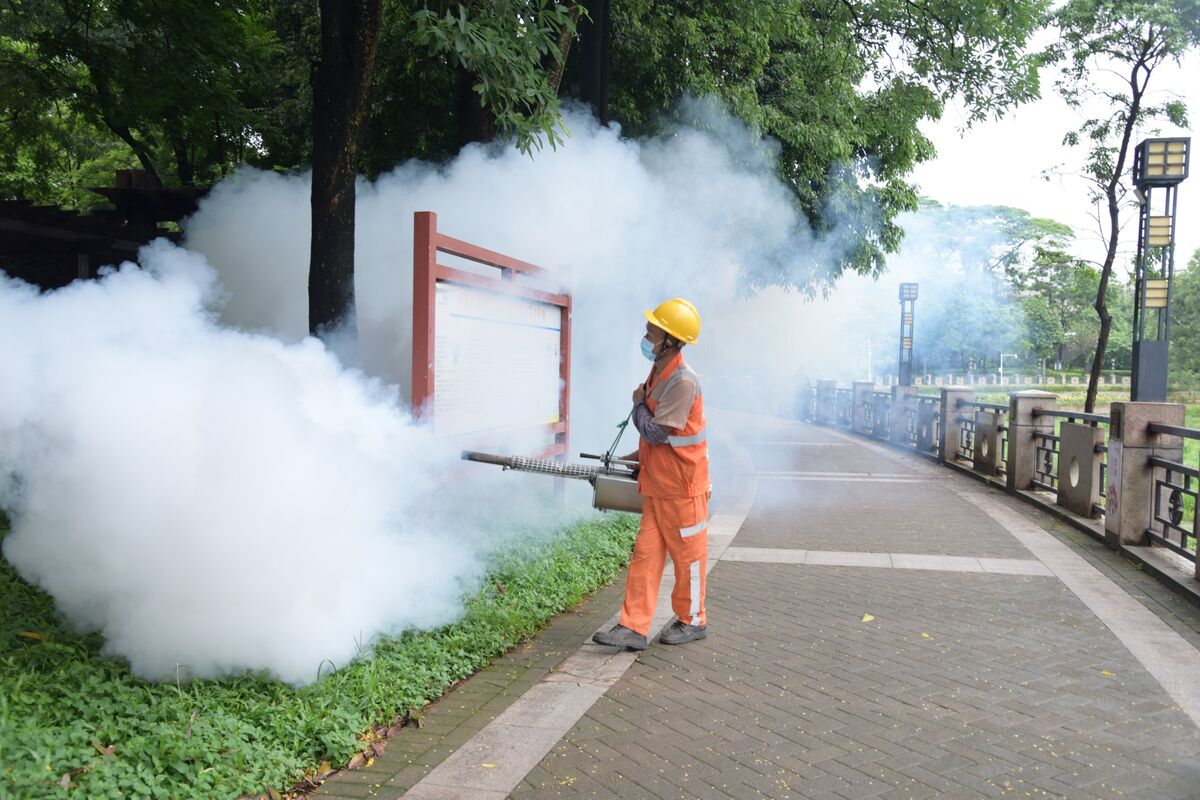
China has reactivated stringent Covid-era health protocols, including mass testing and medicine purchase tracking, in southern Guangdong province to combat a significant chikungunya virus outbreak. This reinstatement of extensive public health controls, more than two years after pandemic emergency procedures ended, signals China's low tolerance for disease spread and the potential for localized economic disruption even from non-Covid health crises.
China has reinstated stringent, Covid-era public health measures in the southern Guangdong province, a critical industrial hub, in response to a significant outbreak of the mosquito-borne chikungunya virus. More than two years after lifting pandemic emergency protocols, the government is again implementing mass testing, tracking purchases of common medicines, requiring travel history reports, and conducting community-wide disinfection. This revival of strict controls, triggered by a non-Covid health event, signals a persistent low tolerance for disease spread and highlights the ongoing risk of sudden, localized disruptions to economic activity. The policy response underscores the potential for operational and supply chain friction in key manufacturing regions, even in the post-pandemic era, reflecting a cautious and interventionist public health strategy that carries economic implications.
AI-powered research, real-time alerts, and portfolio analytics for institutional investors.
Request DemoOverall Sentiment
moderately negative
Sentiment Score
-0.50
