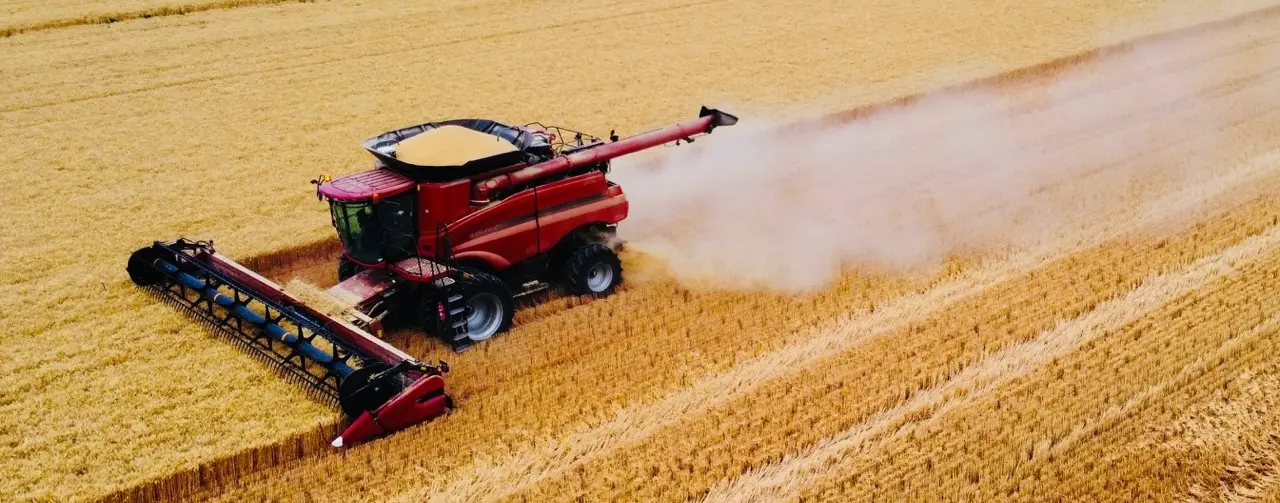
The National Farmers Union responded to the proposed settlement between John Deere and the U.S. District Court (N.D. Illinois) on right-to-repair claims, calling for federal right-to-repair legislation that guarantees farmers fair access to repair tools. NFU President Rob Larew emphasized that timely self-repair or access to trusted independent mechanics is critical for family farms and rural communities and pledged continued advocacy for a permanent federal law.
The immediate economic vector is a reallocation of aftermarket cash flows: independent mechanics, parts distributors and diagnostic-tool vendors stand to capture a larger share of repair spend that OEMs historically monetized through captive channels. Expect incremental revenue for specialty distributors to show up within 2-6 quarters as parts sales and tool purchases accelerate, while OEM service/subscription revenue risk materializes over 6-24 months as farmers change repair habits and replacement cycles shorten by an estimated several quarters.
Second-order supply-chain effects matter: easier repairs increase used-equipment liquidity, which can depress new-equipment demand over a multi-year horizon and compress OEM order books in weak ag cycles. Conversely, OEMs can respond with software-locked features, tiered subscriptions, or certified-part programs; those responses create regulatory and cybersecurity flashpoints that will determine how much aftermarket share actually shifts away from OEMs.
Key catalysts and timelines: near-term (days–weeks) sentiment moves around settlement filings and earnings commentary; medium-term (3–18 months) legislative action or DOJ guidance could codify access, creating the largest structural downside for OEM service margins; long-term (2–5 years) is when product design and subscription pivots either restore OEM capture or permanently displace it. Tail risks include a favorable federal statute for farmers or decisive OEM technical countermeasures that trigger new litigation and churn.
The market is likely to oscillate between a short-term PR relief rally for OEMs and a longer re-pricing of aftermarket beneficiaries. Monitor dealer service revenue disclosures, parts gross margins at distributors, and any OEM announcements around remote-lock features — these are higher signal-to-noise indicators than headline legal statements.
AI-powered research, real-time alerts, and portfolio analytics for institutional investors.
Request DemoOverall Sentiment
neutral
Sentiment Score
0.00
