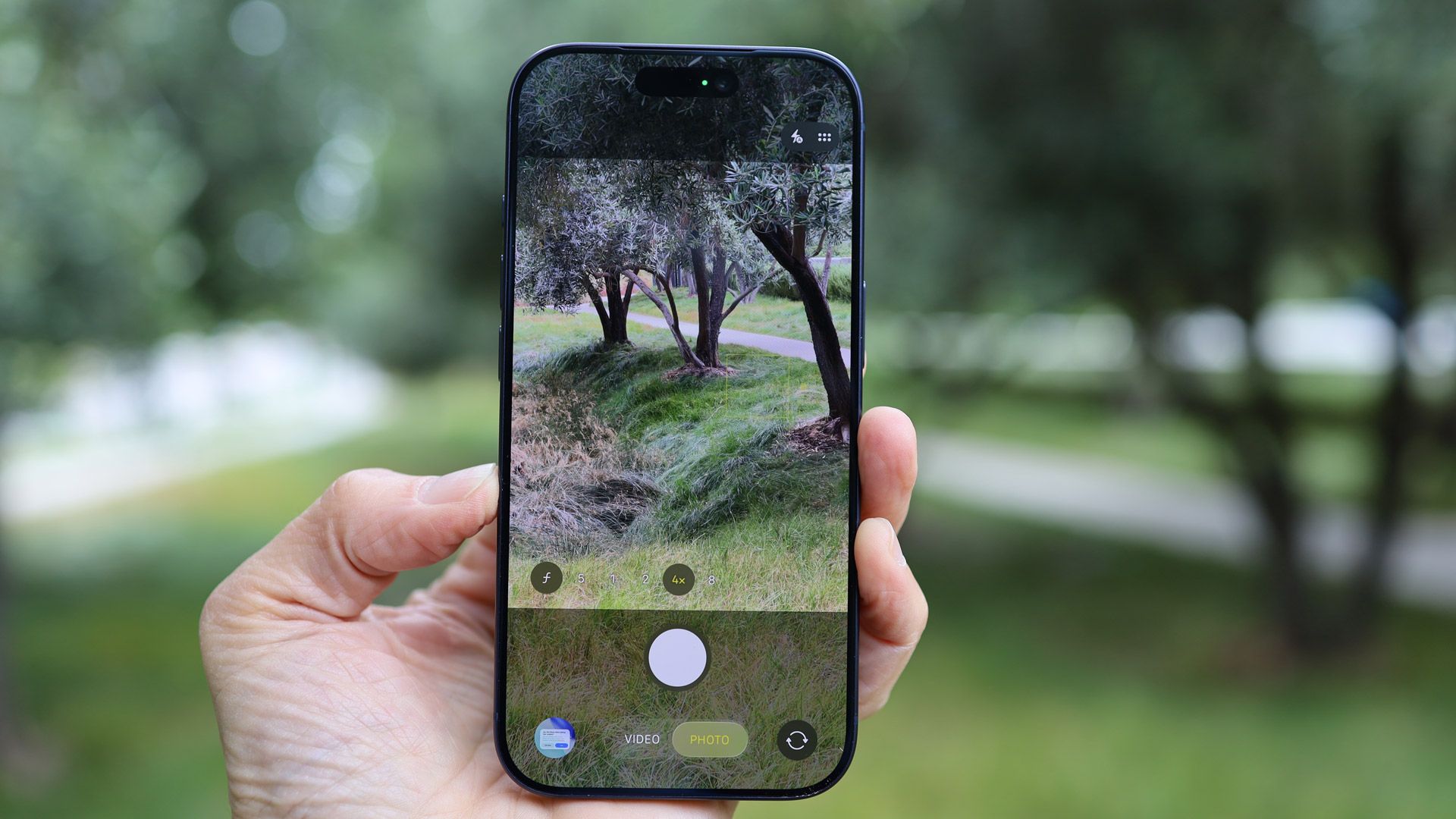
A four-month hands-on account of the iPhone 17 Pro highlights materially improved performance and battery life that have meaningfully increased user engagement—weekly screen time nearly doubled to almost four hours per day—driving more gaming via Apple Arcade and heavier camera use that in many cases replaces dedicated cameras for outings. Improvements in app load times, battery longevity (often requiring charging only every two to three days), and low-light image quality are the primary positives, while the 8x zoom and Liquid Glass UI present shortcomings and promised AI/Siri upgrades remain unrealized; these user-experience wins could modestly support consumer demand for Apple hardware and services but are unlikely to be market moving on their own.
Market structure: iPhone 17 Pro’s tangible improvements (battery, camera, speed) are likely to lift AAPL’s hardware stickiness and services ARPU by increasing engagement (Apple One/Arcade/News). Direct winners: AAPL (ecosystem monetization), TSM (chip demand), Foxconn/2317.T (assembly), and lens/sensor suppliers; losers: standalone DSLR makers (7751.T, 7731.T) and weaker Android OEMs that compete on specs not ecosystem. Incremental impact is modest but durable — expect mid-single-digit percentage uplift to services growth over 2-4 quarters if engagement persists.
Risk assessment: Tail risks include regulatory actions on App Store fees/antitrust or EU privacy rulings within 6-18 months, and supply-chain shocks at TSMC or Foxconn that could compress margins. Near-term (days-weeks) risk is earnings volatility; short-term (1-3 quarters) risk is slower-than-expected services conversion; long-term (2+ years) risk is AI feature execution and competitor ecosystems eroding pricing power. Hidden dependency: higher screen time only converts to revenue if Apple increases retention/monetization — a behavioral, not hardware, conversion.
Trade implications: Tactical: establish a 2-3% long AAPL position for 6-12 months to play services reacceleration and holiday upgrades; hedge with 3-6 month 8-12% OTM call spreads to cap cost. Pair trade: long AAPL vs short Canon (7751.T) or Nikon (7731.T) exposure to camera substitution, sized 1:1 by beta. Overweight semiconductors (TSM) and assembly (2317.T) for supply-chain upside; underweight standalone camera OEMs and niche mobile GPU suppliers. Enter ahead of next earnings cycle (4–8 weeks) and trim after a 10–15% rally or if services growth misses by >200bps.
Contrarian angles: consensus focuses on pure hardware upgrades; it underestimates marginal ARPU from longer session lengths (target +50–150bp services growth). Reaction may be underdone — market prices AAPL for cyclical demand; if Apple demonstrates +100–200k incremental Apple One subs in next quarter, re-rate higher. Conversely, don’t ignore behavioral/regulatory backlash risk: if EU/US rules force sideloading or App Store fee cuts >100bps, valuation rerating could be swift.
AI-powered research, real-time alerts, and portfolio analytics for institutional investors.
Request DemoOverall Sentiment
mildly positive
Sentiment Score
0.25
Ticker Sentiment
