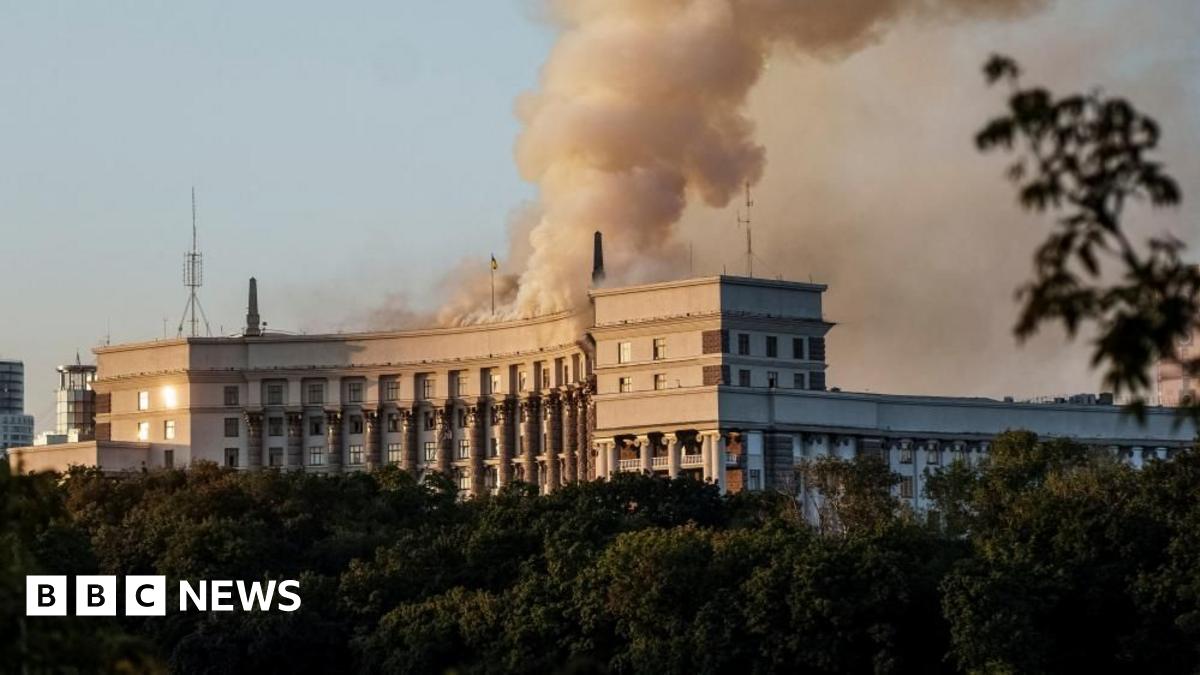
Russian strikes in Ukraine's Zaporizhzhia region resulted in 17 injuries in the city of Zaporizhzhia, alongside significant damage to 16 apartment blocks, 12 private houses, a kindergarten, and factories. Separately, a glide bomb attack on Novopavlivka village killed one woman and left another man missing. These incidents, reported by regional administration head Ivan Fedorov, underscore the ongoing human and infrastructure toll of the conflict, contributing to persistent geopolitical instability.
The report of Russian strikes on Zaporizhzhia underscores the persistent geopolitical instability stemming from the ongoing conflict in Ukraine. While the low market impact score of 0.15 suggests financial markets are largely desensitized to such localized escalations, the strategic nature of the targets is noteworthy for investors. The damage to 16 apartment blocks, 12 private houses, and a kindergarten highlights the humanitarian cost, but the inclusion of "factories" points to the continued degradation of Ukraine's industrial capacity. This event reinforces the long-term theme of significant future reconstruction costs and ongoing disruption to regional economic activity. For global markets, this incident serves as a reminder of the entrenched nature of the conflict, which continues to support a risk premium on assets exposed to Eastern Europe and sustains volatility in relevant commodity markets.
AI-powered research, real-time alerts, and portfolio analytics for institutional investors.
Request DemoOverall Sentiment
neutral
Sentiment Score
0.00
