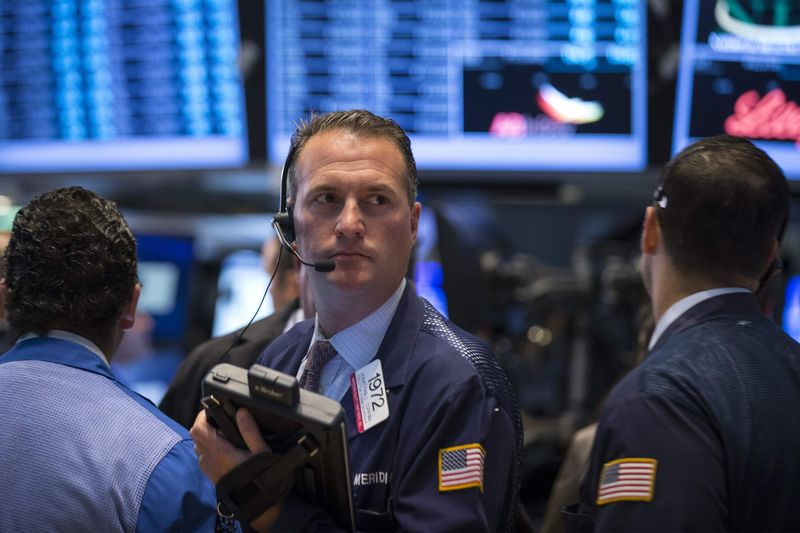
Brent crude jumped over 3% to above $115/bbl after Yemen’s Houthi attack on Israel, stoking fears of Iran-related supply disruptions. U.S. futures slid (S&P 500 futures -0.45%, Nasdaq 100 futures -0.5%, Dow futures -0.5%) and major indexes recorded steep Friday losses (S&P 500 -1.7%, NASDAQ Composite -2.2%, Dow -1.7%), driven by a tech selloff (NVIDIA, Meta, Alphabet). Comments from President Trump about ongoing Iran talks and drastic options such as seizing Iranian oil keep geopolitical risk and market volatility elevated.
The immediate oil-price leg up is not just a consumption shock — it reallocates margins up the logistics and insurance chain and creates a two-tier price for crude delivered to Asia vs Europe/US. Red Sea/Strait-of-Hormuz transit risk will push war-risk premiums and reroute volumes (Cape detours add days and materially higher bunker & charter costs), creating transient bottlenecks in refinery feedstocks that raise crack spreads for nearby refiners while squeezing long-haul export economics.
If Brent holds north of $110 for multiple months, expect central banks to face persistent upside inflation surprises: a 3-month sustained $15/bbl shock historically feeds through to 30–60bp higher headline CPI over 6–12 months, enough to keep rates 25–75bp higher than current market pricing and compress growth multiples by 8–15% over the same horizon. The immediate equity reaction will remain risk-off, but the structural effect is a regime of higher real rates that disproportionately punishes long-duration tech earners while benefiting cash-generative E&Ps and defense names.
The tech selloff is largely two-factor: macro de-risking plus specific competitive noise from ARM’s server moves. ARM’s positive signal increases the optionality of non-x86 server stacks over years, which is a latent margin risk to Nvidia but is far from immediate displacement. Near-term reversals can be rapid — diplomatic progress, coordinated SPR releases, or a decisive security guarantee for Red Sea lanes would knock Brent back quickly (days–weeks), so position sizing and convex hedges matter more than directional conviction right now.
AI-powered research, real-time alerts, and portfolio analytics for institutional investors.
Overall Sentiment
strongly negative
Sentiment Score
-0.60
Ticker Sentiment
