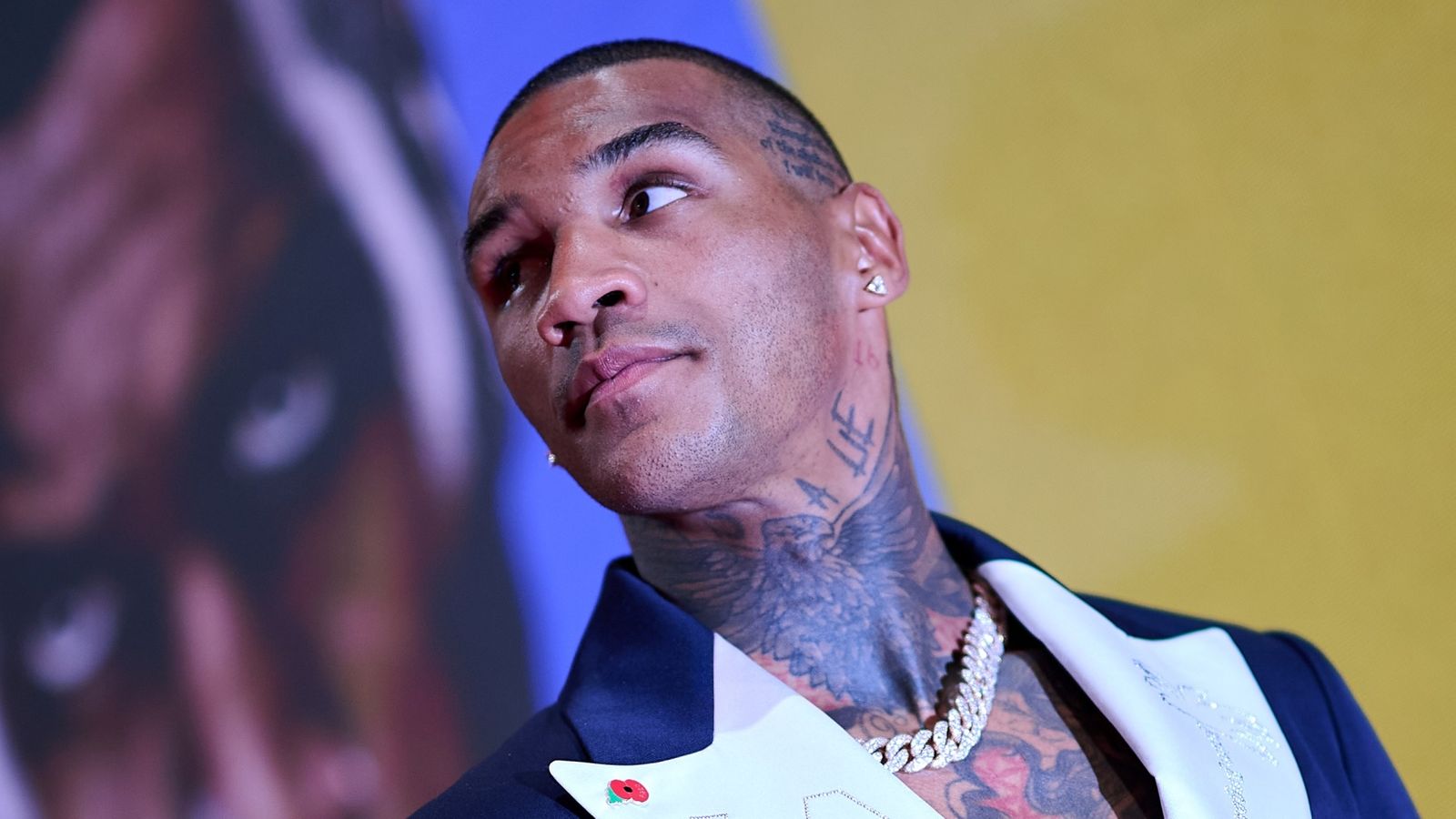
Conor Benn has left Eddie Hearn's Matchroom Boxing after a ten-year association to sign with Dana White's Zuffa Boxing, signaling Zuffa's further strategic expansion into high-profile boxing promotion. Benn (29) is 24-1, has recently moved down from middleweight after defeating Chris Eubank Jr, and is the mandatory challenger for the WBC welterweight title currently held by Mario Barrios, who defends against Ryan Garcia on Feb. 21; Benn has publicly targeted the winner. The deal enhances Zuffa's fight roster and pay‑per‑view potential but is unlikely to materially affect public markets or either promoter's near-term financials.
Market structure: Dana White/Zuffa signing Conor Benn shifts bargaining power toward promoters who can vertically integrate fight promotion, PPV packaging and global distribution. Winners: live-event operators (stadium promoters), pay‑per‑view/streaming platforms and sportsbooks that monetize spikes in viewership; losers: incumbent promoter Matchroom (private) and any single-carrier exclusivity deals that lose marquee inventory. Expect incremental pricing power on marquee boxing nights that could lift per‑event revenue by $5–20m for stadium shows within 12 months depending on PPV buy rates.
Risk assessment: Tail risks include fight cancellations, failed medicals/anti‑doping findings, or regulatory action that can wipe out near‑term revenue — single‑event risk is high (low probability, high impact). Immediate (days) impacts center on ticket/handle moves around Barrios–Garcia (Feb 21); short term (weeks–months) depends on Benn getting a headline slot vs winner; long term (2–3 years) depends on media rights consolidation and distribution deals. Hidden dependencies: media‑rights terms, split of PPV revenue with venues and sportsbooks; catalysts include official Benn vs winner announcement and any exclusive platform deal within 30–90 days.
Trade implications: Tactical trades: overweight live‑event exposure and sports‑betting operators ahead of confirmed Benn headline fights; buy 3–6 month call spreads on Live Nation (LYV) and tactically long Flutter (FLTR.L) or Entain (ENT.L) into event windows. Use short‑dated options to express event-driven upside (buy call spreads 30–90 days out) and hedge with modest put protection sized to 1–2% of portfolio to guard against cancellations. Pair trade: long LYV (event revenue) / short an ad‑dependent linear TV name (e.g., small cap cable aggregator) to capture structural shift to PPV.
Contrarian angles: Market may over‑index to celebrity boxing upside; Benn is a regional-to-continental draw, not yet a consistent global PPV generator — upside is event‑specific and nonrecurring. Historical precedent (UFC/boxing crossover events) shows outsized short‑term cashflows but limited durable margin expansion; unintended consequences include rights fragmentation that depresses per‑viewer ARPU for broadcasters if inventory is sublicensed. If Benn secures a multi‑event exclusive streaming deal, upside could be underpriced today; conversely, a cancelled fight would be swift downside for event‑levered names.
AI-powered research, real-time alerts, and portfolio analytics for institutional investors.
Request DemoOverall Sentiment
mildly positive
Sentiment Score
0.32
