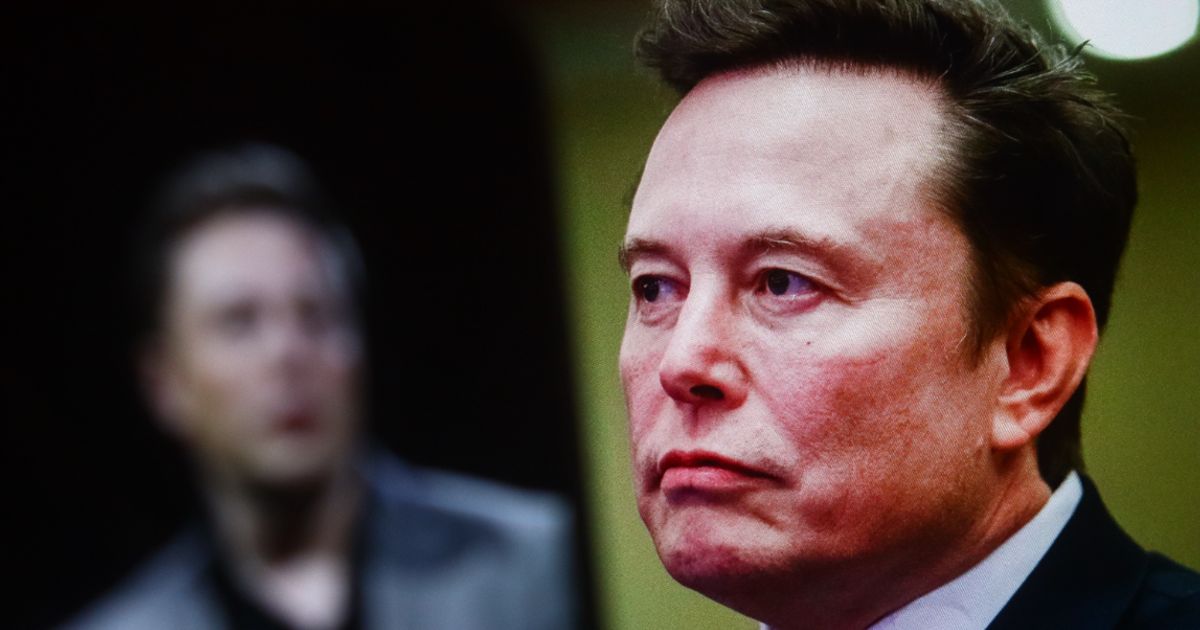
SpaceX announced a merger with AI startup xAI, creating a combined enterprise that Wedbush estimates could be worth roughly $1.25 trillion with xAI valued at about $250 billion; the deal precedes a planned SpaceX IPO later this year. The transaction envisions vertically integrated capabilities — rockets, space-based internet, AI compute (from up to one million solar-powered satellites), and direct-to-mobile communications — and notes Tesla (which invested ~$2 billion in xAI) could be folded into the broader ecosystem over time. Analyst Dan Ives calls the move bullish, forecasting increased cross-company collaboration in autonomous driving, robotics and AI infrastructure over the next 12–18 months, a development that could materially affect Tesla and AI/space supply-chain allocations.
Market structure: Combining SpaceX and xAI creates a vertically integrated AI/infra winner—SpaceX/xAI (private) and affiliated public exposure (TSLA) stand to gain pricing power in satellite capacity, direct-to-mobile comms and differentiated AI data feeds. Winners also include AI semiconductor leaders (NVDA, AMD) and solar/space-systems suppliers in the near term; losers are third‑party LEO launchers (RKLB), some cloud incumbents (AMZN, MSFT) over a multi‑year horizon, and niche satellite component vendors as launch+compute become captive. Cross‑asset: risk‑on reallocation would lift yields and USD; expect higher implied vol for TSLA and select semis, upward pressure on copper/polysilicon and insurance spreads for satellite launches.
Risk assessment: Tail risks include aggressive antitrust/CFIUS intervention, export‑control actions on space/AI tech, catastrophic launch or constellation failures, and capital dilution at IPO — each could wipe 20–50% of implied value. Timeline: immediate (days) — sentiment spikes and IV moves; short (weeks–6 months) — FCC/SEC/IPO filings and launch cadence; long (12–36 months) — systems integration and revenue cross‑pollination. Hidden dependencies: custom ASIC supply, ground‑station regulatory approvals, satellite insurance, and Tesla board governance if integration proceeds. Key catalysts: SpaceX IPO filing (30–90 days), major launch milestones, xAI product demos, and any formal Tesla‑SpaceX corporate agreements.
Trade implications: Tactical opportunities include a modest long in TSLA (2–3% portfolio) for a 12–18 month re‑rating if governance signals collaboration, paired with capped upside via calendar/call spreads to control premium. Allocate 1–2% to NVDA/AMD (semis) as secular AI hedges; trim or short RKLB (reduce exposure by ~50%) and underweight select smallspace suppliers over 3–12 months. Options: implement a 12‑month TSLA 20% OTM call purchase financed by selling 40% OTM calls (vertical) sized to cap max loss to 0.5–1% portfolio.
Contrarian angles: Consensus underestimates integration, regulatory complexity and capital intensity — think AOL‑TimeWarner style execution risk rather than instant synergy. Overdone: market may be overpricing xAI/IPT upside into TSLA (implied >20–40% re‑rating); underdone: durable demand for third‑party cloud/ground services and national‑security driven countermeasures. Monitor for governance moves, SEC/CFIUS filings, and major launch failures as triggers for rapid repricing.
AI-powered research, real-time alerts, and portfolio analytics for institutional investors.
Request DemoOverall Sentiment
moderately positive
Sentiment Score
0.60
Ticker Sentiment
