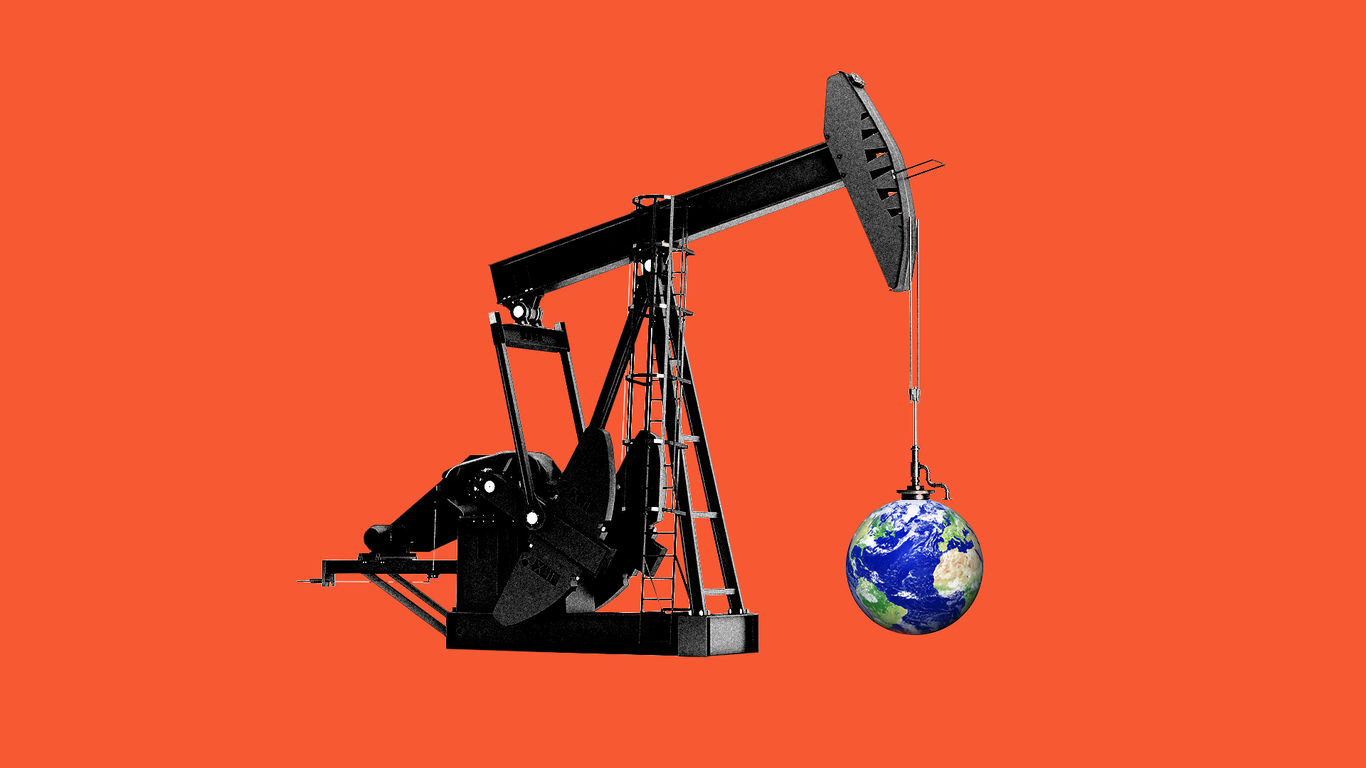
Oil prices are about 50% higher than before the Iran war began, with physical-market prices at record highs as the Strait of Hormuz remains effectively constrained. The article argues this could weaponize and fracture the global oil market, raising inflation and potentially challenging the dollar-based global economic system. Market implications are broad and severe, with a likely spillover into energy, commodities, and risk assets worldwide.
The market is underpricing the shift from a temporary supply shock to a structural regime change. Once a chokepoint becomes politicized, the marginal barrel stops pricing off costs and starts pricing off security premiums, which tends to persist well after spot headlines fade. That means the first-order winner is not just crude itself, but any asset tied to scarcity rents: tanker rates, non-Middle East oil exporters, and refiners with secure feedstock access; the losers are the most import-dependent economies and every cyclical input user whose margins are still assuming mean-reverting energy.
The second-order macro effect is inflation persistence, not just higher headline CPI. Energy is the transmission channel into freight, chemicals, plastics, fertilizers, and airline inputs, so the lagged impact shows up over 2-4 quarters even if crude retraces from the spike. That creates a dangerous policy mix: central banks face an exogenous supply shock they cannot fix, while fiscal authorities will likely backstop consumers, making the inflation impulse stickier and the dollar more vulnerable at the margin if reserve holders start diversifying into real assets and non-USD settlement.
The catalyst path matters: in the next few days, the market will trade headline risk and physical availability; over the next 1-3 months, watch whether shipping insurance, tanker routing, and alternative supply commitments actually tighten inventories. If the chokepoint remains impaired, the trade shifts from a tactical oil spike to a global cost-of-capital repricing. The contrarian view is that the market may be extrapolating worst-case disruption too quickly; if diplomatic pressure opens even partial transit, crude can give back a meaningful portion of the geopolitical premium fast, but the longer the standoff lasts, the more of the move becomes embedded in expectations and contract pricing.
AI-powered research, real-time alerts, and portfolio analytics for institutional investors.
Request DemoOverall Sentiment
strongly negative
Sentiment Score
-0.78
