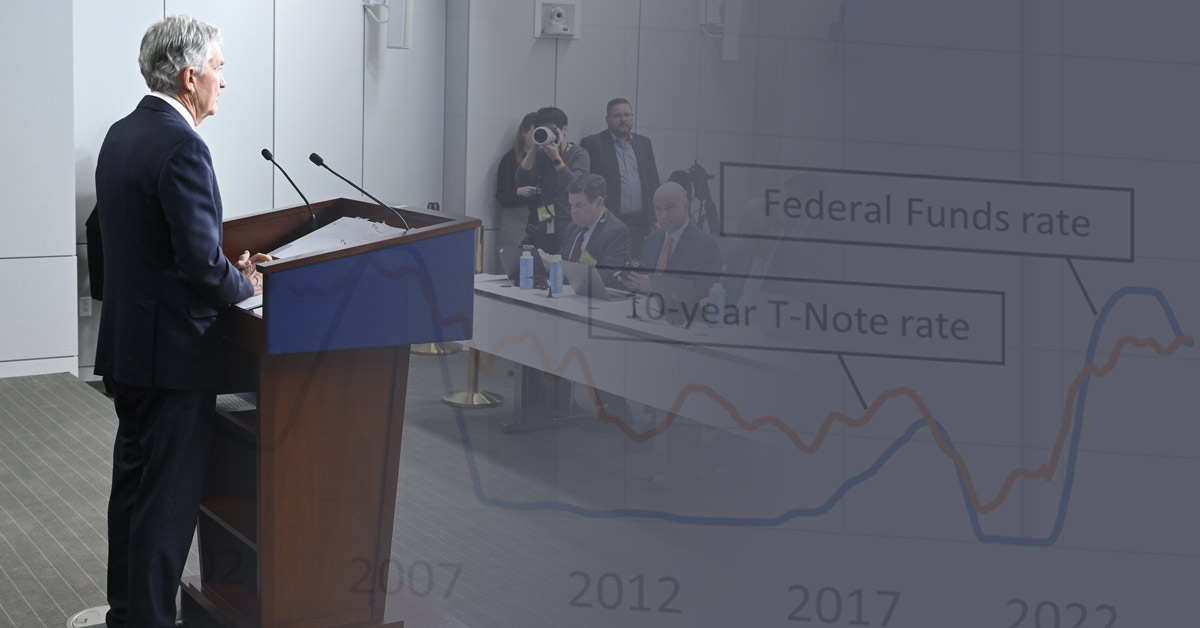
The Federal Reserve is widely expected to implement a 25-basis-point rate cut, prioritizing concerns over a weakening labor market despite inflation remaining above its target. This anticipated move, however, faces skepticism regarding its potential impact on mortgage rates, which could rise if investors perceive a neglect of inflation, and heightens risks of bond market volatility due to the expanding federal deficit. Compounding the decision are uncertainties surrounding the reliability of economic data and contrarian calls from some economists for rate hikes to address underlying debt issues and an overvalued stock market.
The Federal Reserve is poised to deliver a 25-basis-point rate cut, an action for which financial markets have priced in a 96% probability according to the CME FedWatch tool. This decision is driven by a clear prioritization of a weakening labor market over persistent inflationary pressures. Evidence for labor market deterioration is substantial, including the largest downward revision to payroll growth since 1968, an unemployment rate that ticked up to 4.3% in August, and the first instance of unemployed workers exceeding job openings since 2021. However, this accommodative stance is complicated by an annual inflation rate of 2.9%, which remains well above the Fed's 2% target. The consensus for a cut is not universal; a significant divergence of opinion exists among economists. While some, like Moody's Mark Zandi, see the cut as critical to averting a recession, others caution it may be ineffective or counterproductive. Notably, there is a risk that mortgage rates could increase if investors interpret the cut as a neglect of inflation, thereby demanding higher yields on long-term Treasuries. Broader systemic risks compound the Fed's calculus, including uncertainty from tariff policies, questions about the integrity of economic data from the BLS, and, most significantly, a ballooning federal deficit. Experts warn of a potential bond market crisis and point to a widening 30-year to 10-year Treasury spread as a sign of growing investor concern about long-term U.S. debt sustainability.
AI-powered research, real-time alerts, and portfolio analytics for institutional investors.
Overall Sentiment
strongly negative
Sentiment Score
-0.65
Ticker Sentiment
