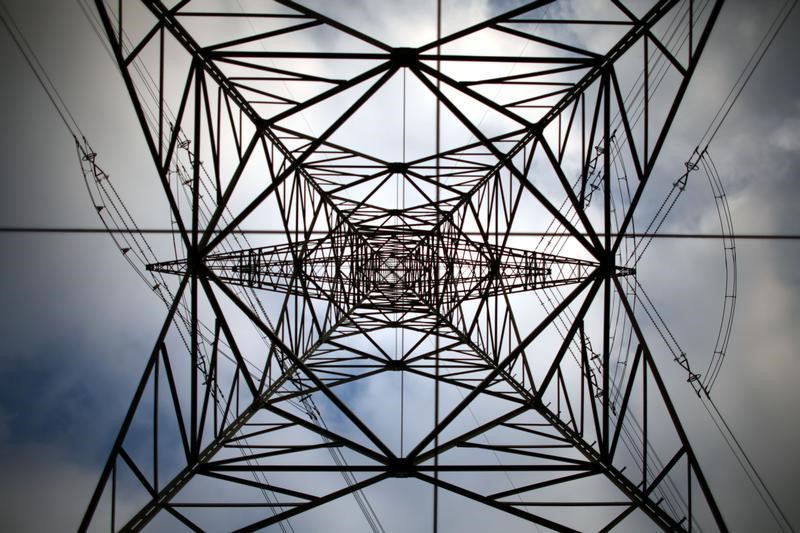
Barclays says AI infrastructure spending could exceed $1 trillion annually, driving strong demand for gas power generation equipment and related components. The note highlights multiple beneficiaries, including Caterpillar, GE Vernova, Howmet, Baker Hughes, Cummins, Bloom Energy, FTAI Aviation, Woodward, ATI and Generac, many of which reported earnings beats, raised guidance, or saw analyst price-target increases. The setup is supportive for the sector and could move individual names, especially those tied to turbines, backup power and data-center energy needs.
This is less a broad AI trade than a bottleneck trade: the real monetization sits in the picks-and-shovels layer that can convert hyperscaler capex into shipped megawatts, not in the platforms spending the money. The most attractive names are the ones with constrained capacity, high switching costs, and multi-quarter backlog visibility — especially equipment and component suppliers where pricing can still lag demand by 1-2 quarters. That creates a second-order setup where order books compound faster than consensus models, while margin leverage appears with a delay.
The market is likely underestimating how self-reinforcing the power buildout becomes if AI demand stays strong into 2027-2028. As utilities, data center developers, and cloud platforms all compete for the same generation hardware, lead times should extend, which tends to benefit OEMs and critical subcomponent suppliers more than diversified industrials. The cleaner expression is not “AI semis,” but the supply chain that enables incremental electrons: turbines, control systems, hot-section materials, backup generation, and dispatchable alternatives.
The main risk is duration mismatch. Several of these equities are already discounting a strong capex cycle, so near-term beats may not matter if investors start worrying about normalization after 2028 or a capex digestion phase sooner. A second risk is substitution: if grid interconnection or nuclear/renewables policy accelerates faster than expected, some of the gas-power urgency can fade, pressuring names that are most levered to a prolonged thermal generation shortage.
The contrarian angle is that the market may be overpaying for visible order growth while underpricing margin compression from capacity expansion. Companies announcing aggressive buildouts may be signaling future demand, but they also telegraph that supply is catching up, which can cap pricing power later in the cycle. The best risk/reward likely sits one layer deeper in enabling components where capacity is tighter and re-pricing power is stronger than at the headline OEM level.
AI-powered research, real-time alerts, and portfolio analytics for institutional investors.
Request DemoOverall Sentiment
moderately positive
Sentiment Score
0.68
Ticker Sentiment
