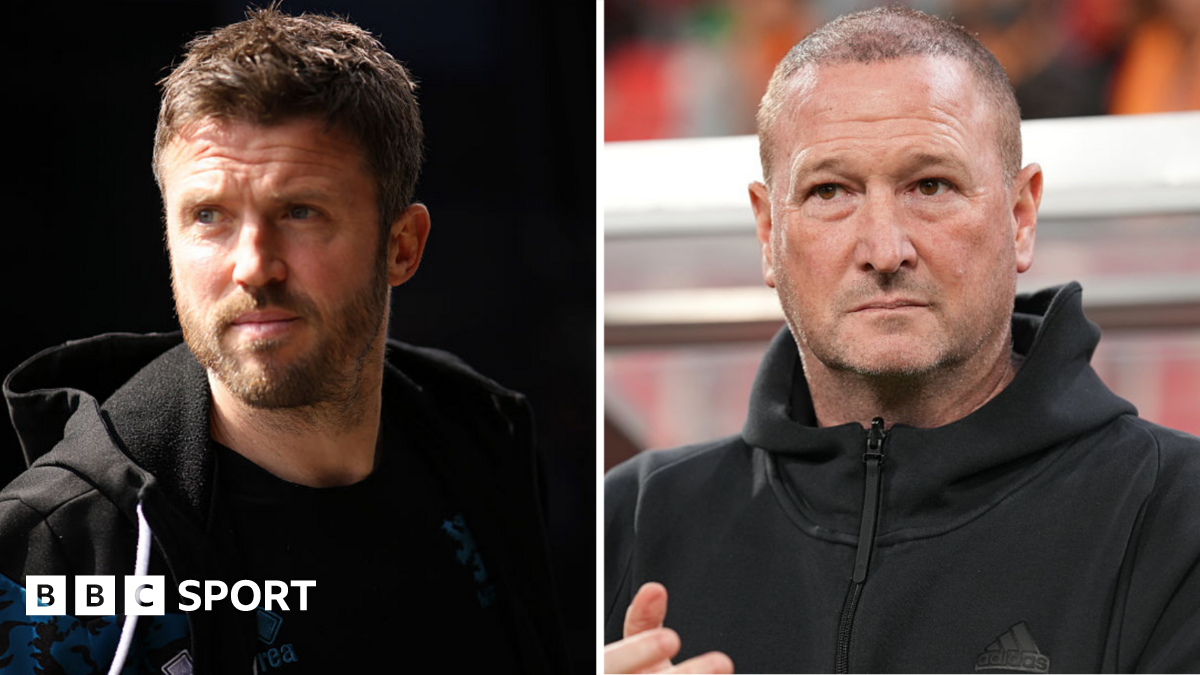
Manchester United have appointed Michael Carrick as interim head coach with former England assistant Steve Holland as his number two; Jonathan Woodgate, Jonny Evans and Travis Binnion will join the backroom staff. The move follows Ruben Amorim's sacking on 5 January and sees Darren Fletcher return to the Under-18s; Carrick is expected to switch the team from Amorim's 3-4-3 to a 4-2-3-1 system and will lead the side in the upcoming derby with Manchester City. Club executives said Carrick impressed in interviews and the appointment emphasizes hands-on coaching and tactical transition rather than a long-term managerial appointment.
Market structure: The appointment of Michael Carrick (MANU) is an idiosyncratic, event-driven catalyst likely to produce a short-lived positive sentiment shock to Manchester United equity (expected intraday/short-term move +1–5%), higher local liquidity and a 10–25% relative increase in 7–30 day implied volatility ahead of the derby. Broadcasting/viewership for the Manchester derby and related sponsorship activation are the primary beneficiaries for a few weeks, while rival clubs see negligible structural share effects. Cross-asset: negligible FX or commodity impact; corporate credit spreads unlikely to move unless performance materially threatens UEFA/TV revenue (low probability near term).
Risk assessment: Key tail risk is managerial failure leading to on-field decline and a >15% equity drawdown if United miss top-four/European revenue targets over a season; a mid-term trigger is a heavy derby loss (within 7 days) which could widen downside to 20–25%. Immediate horizon (days): sentiment/volatility swing; short-term (weeks–months): match outcomes and transfer window signaling; long-term (quarters–years): squad construction and board stability (Omar Berrada) determine revenue trajectory. Hidden dependencies include sponsor renegotiations, player morale/transfer exits, and potential fan activism.
Trade implications: Tactical plays favor small, event-driven positions in MANU: short-dated option structures or tight directional exposure ahead of the derby (24–48h entry, exit within 3–10 days). For holders, implement protective collars around 30-day realized volatility shifts; for opportunistic traders, buy short-dated straddles if implied vol < anticipated move or buy a 30-day call spread for asymmetric upside capture. Sector rotation: temporarily underweight event-sensitive Media & Entertainment exposures by 1–3% until managerial direction stabilizes (3 months).
Contrarian angle: The market may overestimate long-term impact of an internal interim hire—histor precedents (Solskjær 2018) produced short-term bounce then mean reversion; therefore avoid chasing >7% one-day rallies. Unintended consequence: reliance on low-cost internal fixes can delay decisive transfer-market action, compressing upside over 3–12 months. Use objective triggers: trim if MANU rallies >7% on single-match news or if 30-day implied vol collapses >20% from peak.
AI-powered research, real-time alerts, and portfolio analytics for institutional investors.
Request DemoOverall Sentiment
neutral
Sentiment Score
0.05
Ticker Sentiment
