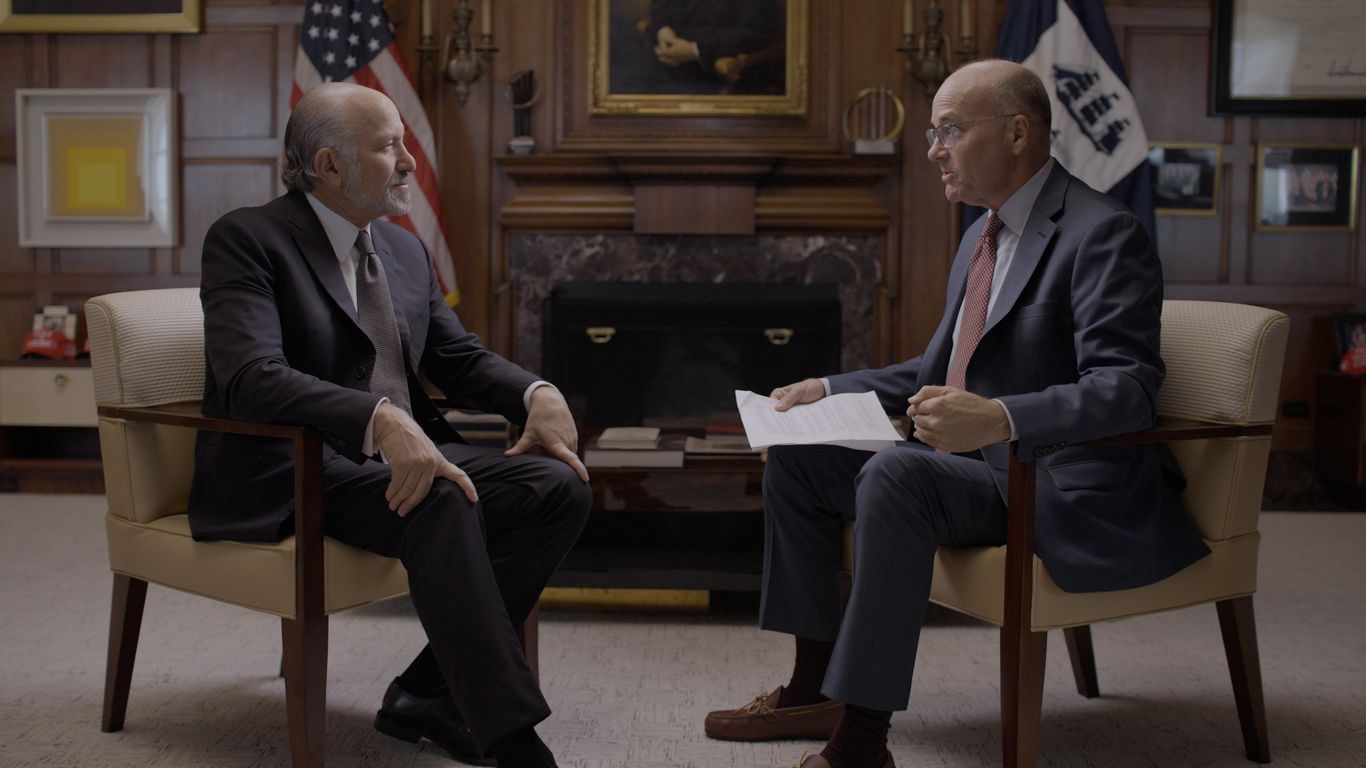
Commerce Secretary Howard Lutnick dismisses concerns that the Supreme Court could invalidate President Trump's tariffs, despite Treasury Secretary Scott Bessent's warnings of potential refunds totaling tens to hundreds of billions and the risk to 71% of tariff revenue if tariffs imposed under the International Emergency Economic Powers Act (IEEPA) are struck down. While Lutnick asserts other tariff authorities secure existing trade deals, critics note these alternatives offer significantly less flexibility for future broad trade actions. The administration has requested the Supreme Court hear arguments in early November, creating significant uncertainty around current and future trade policy and potential government liabilities.
A significant divergence in risk assessment within the administration highlights substantial uncertainty surrounding U.S. trade policy and its fiscal implications. While Commerce Secretary Lutnick publicly dismisses the legal challenge to tariffs imposed under the International Emergency Economic Powers Act (IEEPA), Treasury Secretary Bessent has issued a stark warning of a potential "terrible" fiscal shock from refunds totaling tens or hundreds of billions of dollars. This legal jeopardy places an estimated 71% of the administration's tariff revenue at risk, a material figure underscored by the high market impact score of 0.7. The conflict is amplified by lower court rulings that have already found the President lacked IEEPA authority. Lutnick’s assertion that other authorities like Section 232 provide a durable backstop for trade deals is directly contradicted by analysis suggesting these alternatives are far more limited and lack the flexibility for broad, sweeping actions. The request for a Supreme Court hearing in early November establishes a clear catalyst, creating a binary risk event that could either validate the administration's current trade strategy or severely curtail its future negotiating power while simultaneously triggering a massive government liability.
AI-powered research, real-time alerts, and portfolio analytics for institutional investors.
Overall Sentiment
moderately negative
Sentiment Score
-0.50
