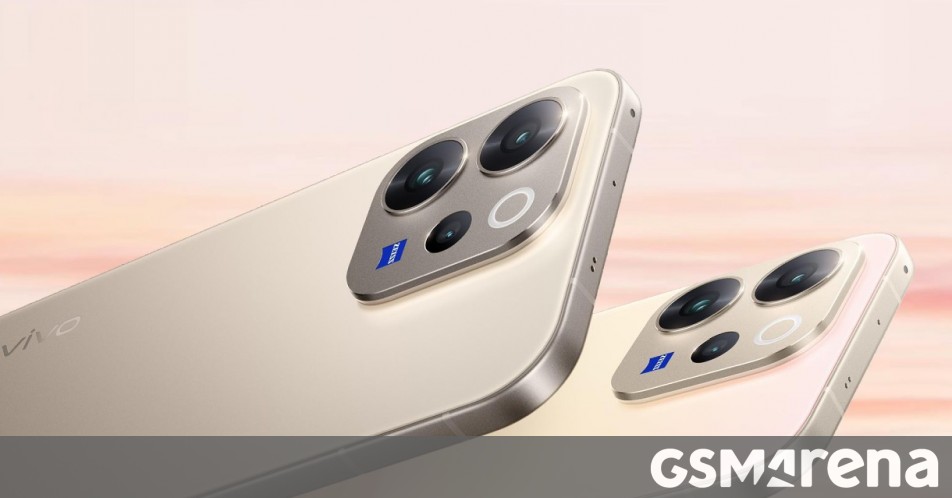
vivo unveiled the V70, a refined follow-up to the V60 that pares down the screen to a flat 6.59" OLED (1,260 x 2,750) with 120Hz and higher peak global brightness (1,800 nits) and upgrades to an ultrasonic fingerprint reader, aluminum frame and strengthened drop/IP ratings. The handset retains a 6,500mAh battery with vivo’s semi-solid chemistry and 90W FlashCharge, moves to a Sony LYT 700V 50MP main sensor with OIS plus a 50MP telephoto and 8MP ultra-wide capable of 4K60 video, and runs on the same Snapdragon 7 Gen 4 with 8/12GB RAM and 256/512GB storage. It launches on Android 16/OriginOS 6 with six years of updates and will be sold in Europe, the Middle East and Southeast Asia; pricing details are pending.
Winners: Sony (SONY) as supplier of the new Sony LYT 700V sensor and other component suppliers (Schott glass, aluminum-alloy framers, Qualcomm) stand to gain higher ASPs and share in mid-premium Android phones; OEMs without differentiated optics (small Chinese brands) are losers as camera-led differentiation raises content per unit. Competitive dynamics favor component specialists over brand-only OEMs — vivo choosing a higher-end sensor but same Snapdragon 7 Gen 4 suggests OEMs are trading SoC premium for optics and build quality, pressuring price elastic segments and compressing margins for low-end competitors.
Supply/demand: expect a 3–9 month incremental ramp in image-sensor orders if V70 volumes scale across EMEA/SEA; sensor inventory tightness could push Sony sensor revenues +5–15% YoY in next two quarters, supporting mid-cap supplier equities. Cross-asset: stronger sensor demand lifts semiconductor supplier credit spreads (tighten), may modestly strengthen JPY/JPY-denominated suppliers; modest negative pressure on inflation-sensitive commodity inputs (aluminum) is possible but limited.
Risks & catalysts: tail risks include China export limits, a Snapdragon supply hiccup, or a sudden competitor sensor win (Samsung) that erodes Sony upside; immediate catalyst windows are device launch/price announcements (days–weeks), mid-term are quarterly shipment reports (1–3 months), long-term (6–24 months) are Android/OS support commitments altering replacement cycles. Hidden dependency: vivo’s volume and pricing in key EM markets drive the real demand signal — isolated flagship spec sheets don’t guarantee component order growth.
Trade implications & contrarian view: market may underprice durable content uplift to suppliers from mid-tier camera improvements — consensus focuses on flagship phones. If Sony can convert design wins into 5–10% incremental sensor shipments, equity re-rating is likely; conversely, reuse of Snapdragon 7 Gen 4 limits SoC upcycle, capping overall OEM margin recovery and implying selective supplier exposure is superior to broad sector long.
AI-powered research, real-time alerts, and portfolio analytics for institutional investors.
Request DemoOverall Sentiment
mildly positive
Sentiment Score
0.30
Ticker Sentiment
