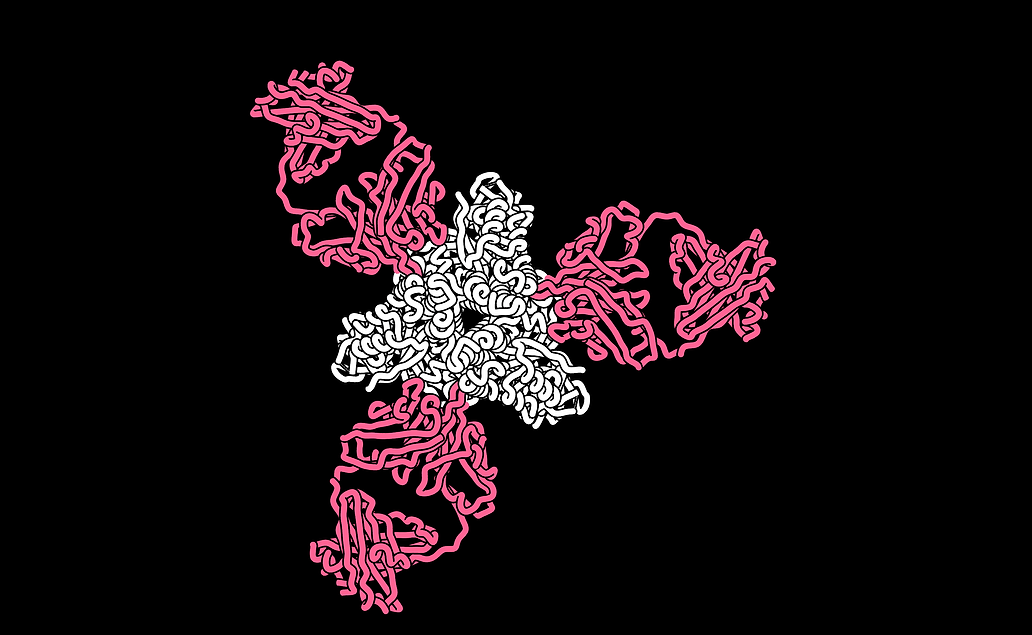
Scientists at the La Jolla Institute for Immunology identified human antibodies that neutralize measles by blocking viral entry, with a dual-blockade mechanism that binds two essential viral proteins. The finding could enable a new monoclonal antibody-based vaccine approach and a treatment option for immunocompromised patients, where the current attenuated vaccine is not recommended. The news is scientifically significant, but near-term market impact appears limited.
This is strategically more important for platform economics than for any single drug line. A dual-neutralizing antibody approach could convert a highly seasonal, logistics-heavy prevention market into something that looks more like an inventory-backed biologics franchise: higher gross margins, lower dosing frequency, and a channel that can be expanded into immunocompromised and outbreak settings where live-attenuated vaccines are structurally constrained.
The near-term winners are not obvious from the headline. The first beneficiaries are likely antibody discovery, cell-line, fill-finish, and cold-chain infrastructure providers, because the bottleneck will shift from antigen design to manufacturability and scalable release testing. Over a 12-24 month horizon, this also pressures traditional vaccine incumbents to defend share with combination pediatric schedules or improved delivery economics, even if the total addressable market expands.
The bigger second-order effect is on public health procurement and outbreak response budgets. If this class progresses, governments may treat prophylactic monoclonals as a stockpiled emergency layer, which creates lumpy but repeatable demand and favors manufacturers with excess biologics capacity. The key risk is not scientific plausibility but reimbursement and durability: if protection wanes faster than expected or per-dose pricing sits too high, adoption could stay limited to niche populations and the market could re-rate this as a science story rather than a revenue story.
Contrarian view: the market may over-assign revenue optionality before clinical data prove practical superiority over cheap, entrenched vaccination campaigns. The more likely first-wave outcome is a narrow label in immunocompromised or post-exposure use, with broad-population use taking several years and requiring clear manufacturing cost compression. That said, the platform signal is real: once a dual-epitope neutralization blueprint works here, it raises the odds of similar antibody strategies in other viral franchises.
AI-powered research, real-time alerts, and portfolio analytics for institutional investors.
Request DemoOverall Sentiment
strongly positive
Sentiment Score
0.82
