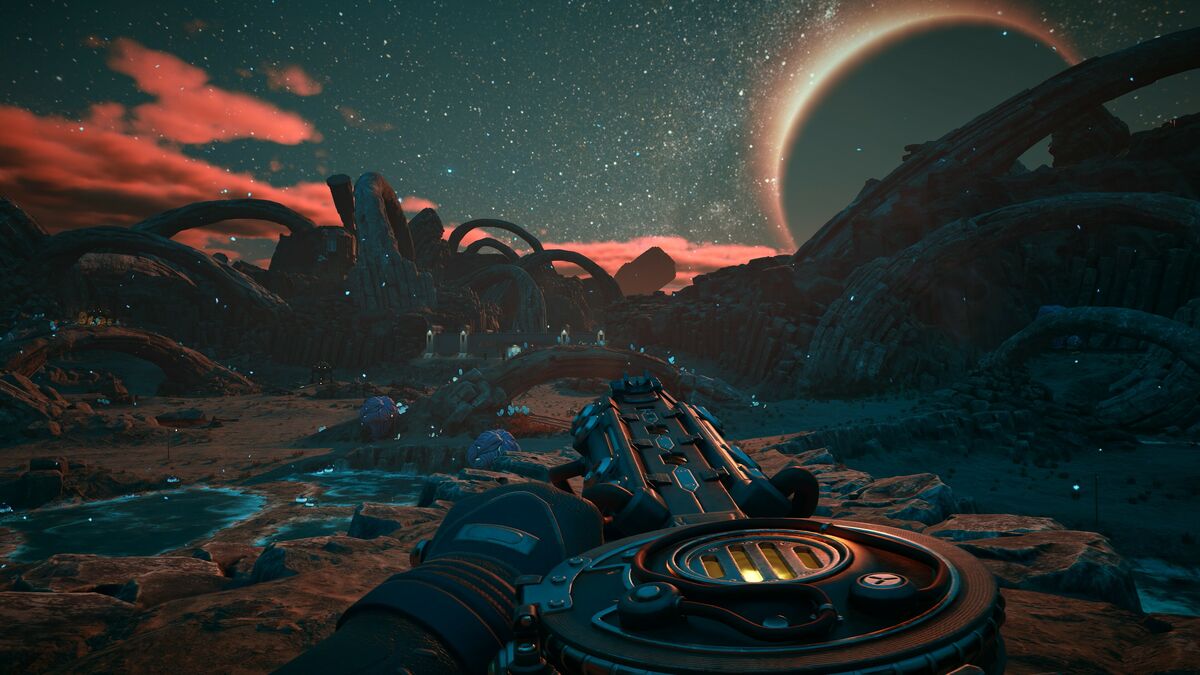
The upcoming release of 'The Outer Worlds 2' next week, six years after its predecessor, highlights a significantly extended development cycle, reportedly taking twice as long as the original game. The article previews an upcoming discussion with the game's director to delve into the reasons behind this prolonged development.
The upcoming release of "The Outer Worlds 2" next week, six years after its predecessor, signals a significantly extended development cycle, reportedly taking twice as long as the original well-received title. This prolonged timeline, while potentially indicating a focus on quality, also implies substantial resource allocation and increased development costs for the unstated publisher/developer.
The neutral sentiment and market impact scores reflect the absence of specific financial details or company tickers within the article. This limits direct financial analysis regarding specific equity positions, despite the game falling under "Product Launches" and "Media & Entertainment" themes.
Investors should note that extended development cycles, while common in AAA gaming, can impact profitability margins and release schedules. The upcoming discussion with the game's director is crucial for understanding the underlying reasons for this extended timeline and its potential financial implications for the involved entity.
AI-powered research, real-time alerts, and portfolio analytics for institutional investors.
Request DemoOverall Sentiment
neutral
Sentiment Score
0.00
