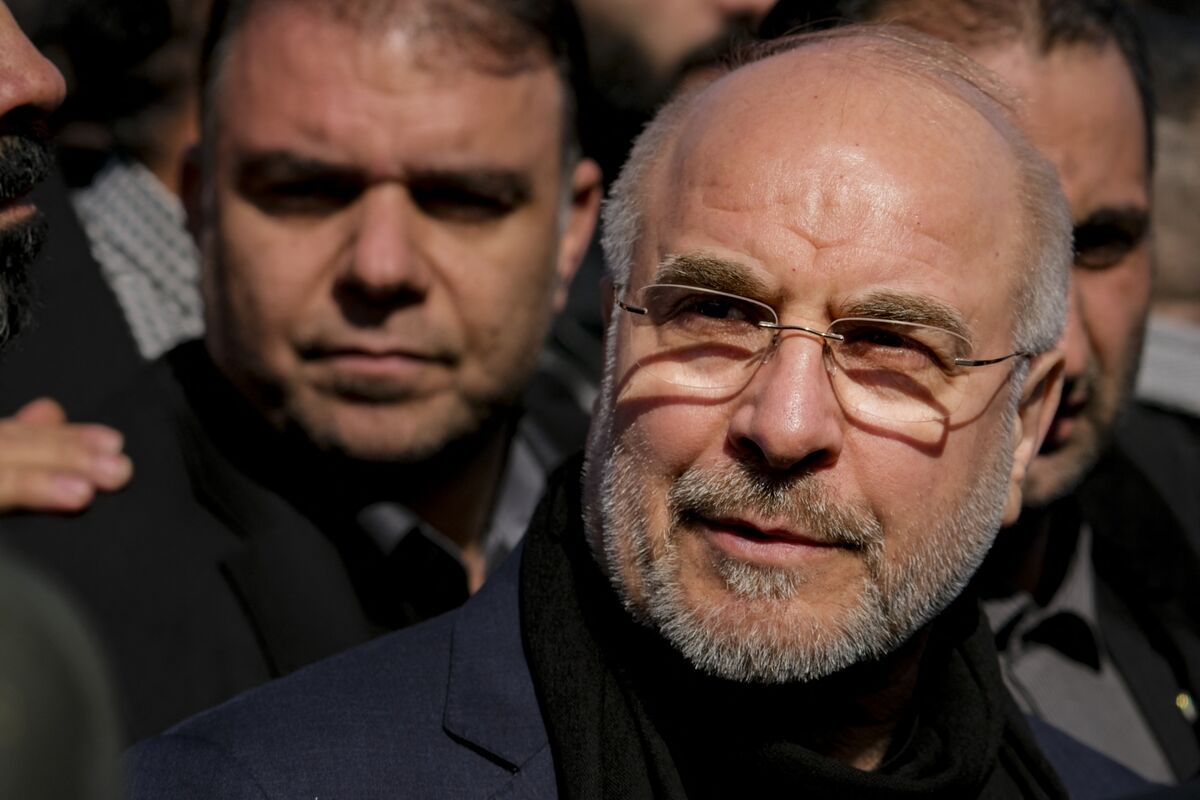
U.S. President Donald Trump says he is negotiating with Iran to end the Persian Gulf war, naming Mohammad-Bagher Ghalibaf — Iran's parliament speaker, former Tehran mayor and ex-IRGC commander — as the likely counterpart. Ghalibaf's hardline background and elevated role in wartime leadership increase uncertainty about the scope, credibility and durability of any agreement, implying heightened regional political and security risk that could repriced risk premia in affected markets.
A negotiator with credible security ties materially changes the credibility and tempo of any temporary cessation of hostilities: markets should price a two-step path — a tactical ceasefire within days–weeks that removes an acute risk premium, followed by months of bargaining over sanctions, shipping access and enforcement mechanics. The immediate market lever is shipping & insurance friction: a reduction in war-risk surcharges (plausibly down by $3k–$15k/day per vessel versus peak stress) increases effective tanker capacity by shortening detours and idle days, translating into a 2–5% near-term increase in available tonnage supply.
Second-order winners are owners/operators of large tanker fleets and specialty insurers/reinsurers that underwrite marine war risk; they capture a rapid uplift in utilization and premium normalization without needing higher oil fundamentals. Conversely, defense-equipment names and tactical risk premia instruments stand to underperform if the bilateral ceasefire narrative sticks — but that outcome is highly path-dependent because sanctions relief and long-term export volumes require months and logistical fixes (terminals, insurance corridors, working capital).
Tail risks remain large and asymmetrical: a breakdown or false ceasefire can spike oil volatility and insurance costs within 48–72 hours (oil +$15–$30/bbl stressed move, insurance back to prior peak), while a durable settlement produces a multi-month grind lower in energy risk premia. Watch near-term catalysts: an announced, verifiable insurance corridor or insurer declarations removing war surcharges (days–weeks); formal sanctions carve-outs or terminal repairs (3–12 months).
AI-powered research, real-time alerts, and portfolio analytics for institutional investors.
Request DemoOverall Sentiment
neutral
Sentiment Score
0.00
