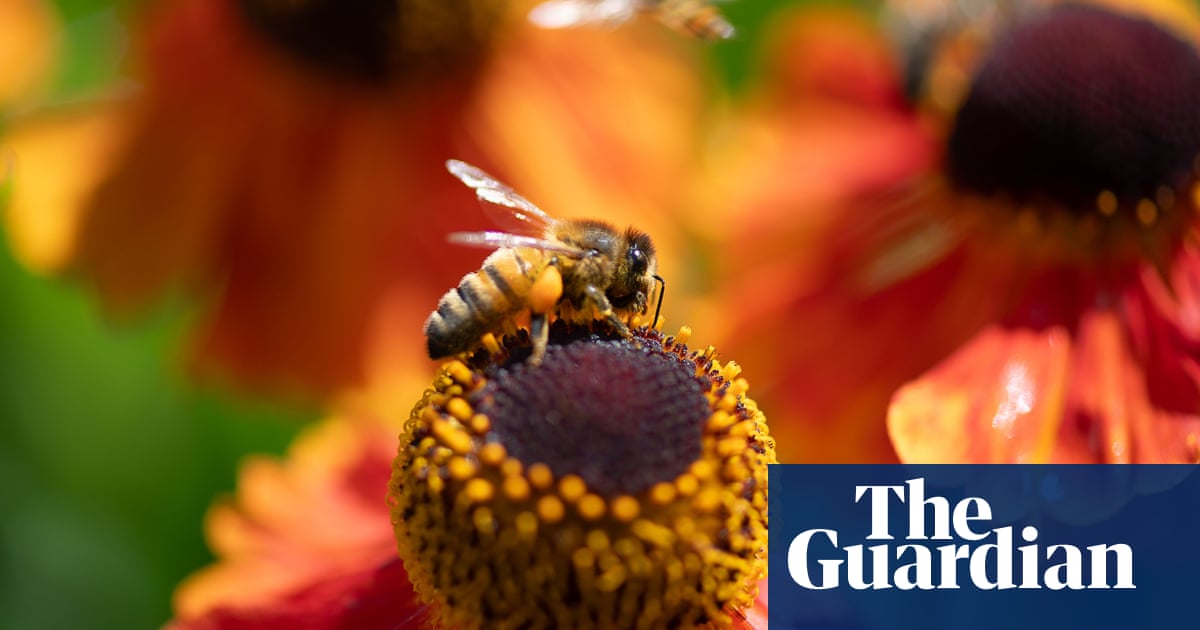
A University of Reading report identifies 12 emerging threats to global bee populations, including war-induced crop monoculture, microplastic contamination in hives, light and air pollution, and antibiotic/pesticide exposure. Researchers found microplastics in most of 315 European honey bee colonies tested, and artificial light reduced nocturnal flower visits by 62%. The report calls for stronger regulations on pollutants, creation of pollinator-friendly habitats, and crop breeding for enhanced pollinator nutrition, emphasizing the critical role of pollinators in food systems, climate resilience, and economic security.
A University of Reading report identifies twelve significant emerging threats to global bee populations over the next decade, highlighting substantial risks to ecological balance and economic systems dependent on pollination. Key threats detailed include war and conflict, such as in Ukraine, leading to reduced crop diversity and thus less varied food sources for pollinators. Microplastic contamination is another pressing concern, with tests on 315 European honey bee colonies revealing synthetic materials like PET plastic in most hives. Artificial light from street lamps was found to reduce flower visits by nocturnal pollinators by a significant 62%, while air pollution adversely affects bee survival, reproduction, and growth. Furthermore, antibiotics used in agriculture, now found in beehives and honey, negatively impact pollinator behaviour, including foraging and flower visitation. The report also notes the emerging role of pesticide "cocktails," where interactions between different chemicals can cause dangerous effects even if individual pesticides are below regulated limits. Professor Simon Potts, lead author, stressed that protecting pollinators is crucial for food systems, climate resilience, and economic security. The study proposes several mitigation strategies, including stronger legislation against antibiotic pollution, transitioning to electric vehicles to reduce air pollution, developing flower-rich habitats in solar parks, and breeding crops with enhanced pollen and nectar.
AI-powered research, real-time alerts, and portfolio analytics for institutional investors.
Request DemoOverall Sentiment
Negative
Sentiment Score
-0.60
