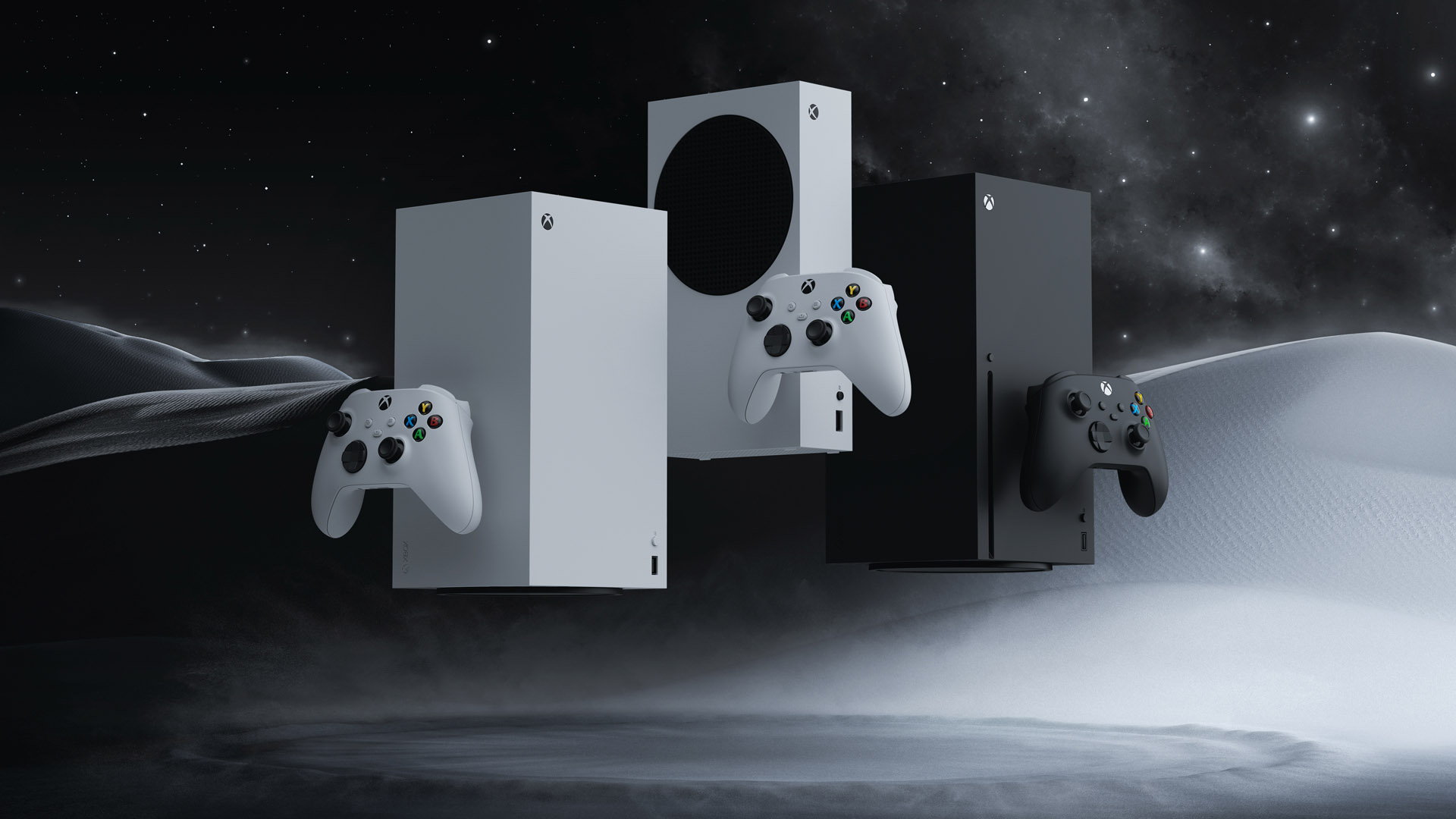
Xbox rolled out a broad set of product and platform updates across console, PC, mobile, and handheld devices, including more Home customization, per-game Quick Resume controls, Play History improvements, wishlist alerts, and new cloud/PC features. Microsoft also expanded supported games and streaming options, with over 1,500 Xbox Play Anywhere titles and 1,000+ stream-your-own games now available. The announcement is operationally positive for engagement and ecosystem breadth, but it is largely a feature update with limited near-term market impact.
This reads less like a gaming-news burst and more like a funnel-expansion playbook: Microsoft is tightening the loop between discovery, engagement, and reactivation across console, PC, handheld, and cloud. The second-order effect is higher session frequency and lower churn, which matters because the marginal revenue opportunity is not just first-party software sales, but increased attach rates to subscription, cloud streaming, and digital transactions. The most important signal is the reduction in friction across device boundaries; that tends to lift ecosystem stickiness faster than headline feature launches suggest. The most underappreciated beneficiary is likely the broader Xbox monetization stack rather than hardware alone. Wishlist alerts, pinned recents, play history surfacing, and library unification all increase conversion probability at decision points, which should improve store traffic and content sales without requiring materially higher marketing spend. On the supply side, these changes also support handheld and docked-PC usage, reinforcing the thesis that Microsoft wants Xbox to be a service layer on top of Windows hardware partners rather than a closed console moat. Competitive pressure falls on standalone launcher ecosystems and third-party discovery layers. Anything that reduces reliance on Steam-only or OEM-specific workflows weakens the bargaining power of adjacent distribution platforms, while Spotify/Discord-style app integrations and controller-first navigation make Windows handhelds more viable as a primary device category. The contrarian read is that this is not a near-term console unit catalyst; it is a slow-burn ecosystem share gain that compounds over quarters, not days, and the market may overestimate how quickly these UX improvements translate into incremental bookings. Catalyst-wise, the key risk is execution: if the new features create fragmentation, bugs, or confusing settings overhead, engagement gains could disappoint and the message of simplicity backfires. The upside scenario is a gradual uplift in cross-device play and cloud adoption over the next 2-3 quarters, especially if Microsoft pairs these UX changes with stronger first-party content beats. The downside is that without premium content or hardware refresh, these updates remain additive but not transformative.
AI-powered research, real-time alerts, and portfolio analytics for institutional investors.
Request DemoOverall Sentiment
mildly positive
Sentiment Score
0.30
Ticker Sentiment
