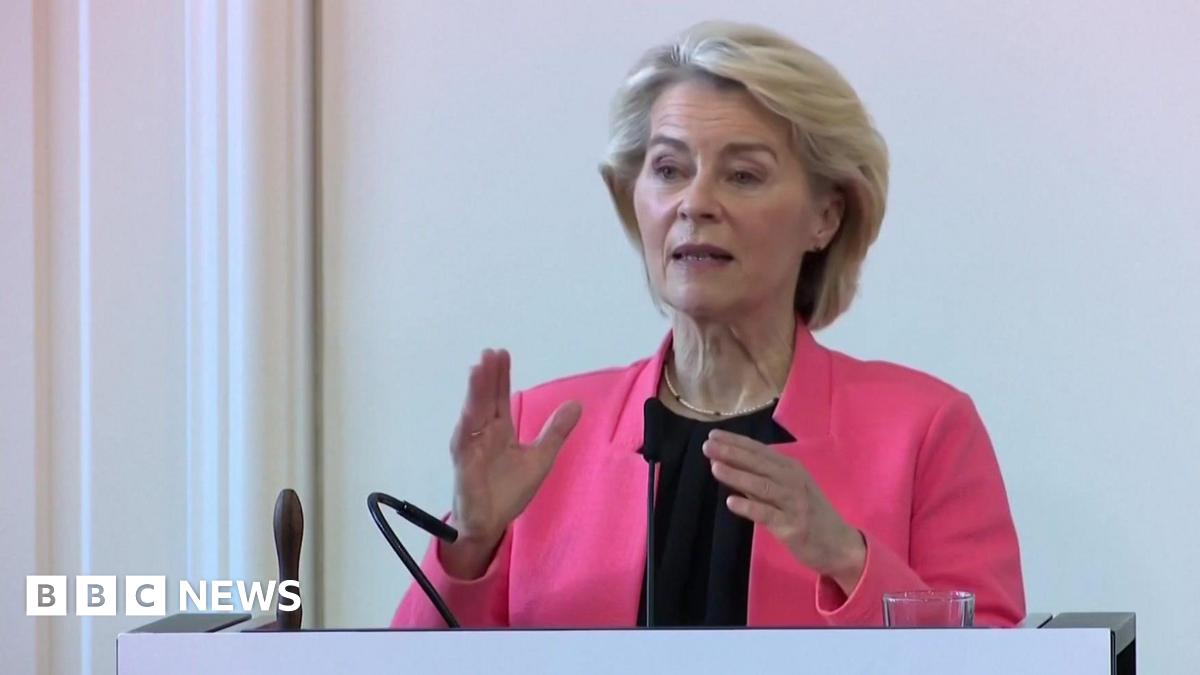
EU Commission President Ursula von der Leyen proposed a possible Europe-wide social media delay for children, with legislation potentially coming in months and an expert panel due by July. The initiative could lead to age verification, under-16 restrictions, and tighter content controls across major platforms, while the Commission continues enforcement actions under the Digital Services Act. The proposal adds regulatory pressure on social media companies, but immediate market impact is likely limited until specific rules are drafted.
This is less about an overnight revenue hit to Meta than a multi-year repricing of product design risk. The key second-order effect is that age verification, parental consent flows, and “youth-safe” product modes raise user friction exactly where engagement flywheels are most fragile: onboarding and reactivation. That tends to hit smaller, growth-dependent platforms hardest first, but it also compresses the monetization runway for incumbents because younger cohorts are the long-dated inventory that advertisers ultimately pay to access.
The market is likely underestimating the operating leverage in compliance spend. If EU member states converge on a de facto standard, every social platform will need duplicative identity, consent, moderation, and audit infrastructure across jurisdictions, which increases fixed costs while reducing addressable engagement time. That is structurally negative for Meta’s family of apps, but it is a relative tailwind for vendors that sell age verification, digital identity, content moderation, and privacy tooling, particularly those with public-sector or telco distribution.
The real catalyst risk is not the legislation headline itself; it is enforcement sequencing. A near-term rule with delayed implementation would mostly compress multiples through regulatory overhang, whereas a hard enforcement regime with mandatory verification penalties could create a sharper revenue reset for platforms over the next 6-18 months. The main offset is political and legal pushback from the U.S. and from civil-liberties groups, which could slow adoption, fragment standards, and keep the issue in a protracted consultative phase rather than a clean implementation wave.
Consensus is treating this as a pure Meta negative, but the more interesting trade is that regulation may accelerate consolidation in social media. Larger platforms can absorb verification costs and legal compliance better than niche apps, which means this could entrench incumbents while still lowering overall industry growth. In other words, the headline is bearish for sector growth, but potentially less bearish for dominant players than for the venture-style cohort of smaller attention platforms.
AI-powered research, real-time alerts, and portfolio analytics for institutional investors.
Request DemoOverall Sentiment
neutral
Sentiment Score
-0.10
Ticker Sentiment
