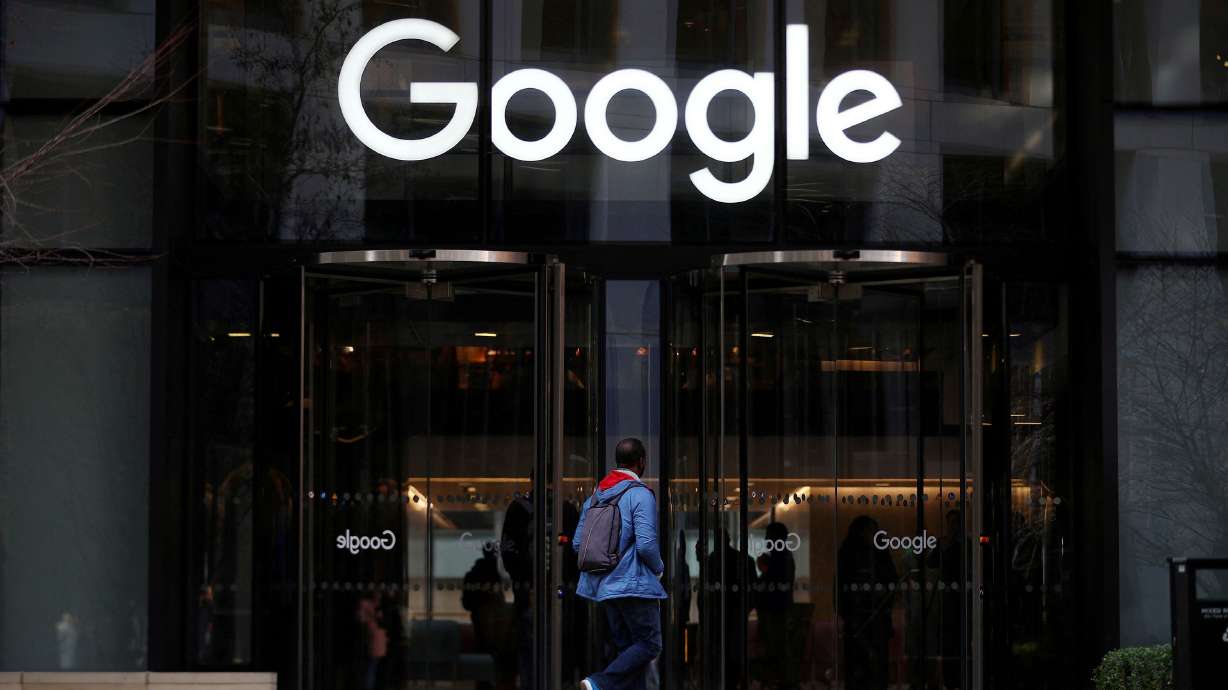
Google unveiled new AI-powered search and Gemini features, including autonomous agents that can monitor topics, run tasks in the background, and generate custom visuals or mini apps. The company also said Gemini now has more than 900 million active users and plans to spend about $180 billion to $190 billion this year on AI infrastructure and chips. The update underscores Google’s push to compete more directly with OpenAI and Anthropic while advancing toward AGI.
GOOGL is using product design to defend distribution before model quality is fully decisive. The key second-order effect is that search is shifting from a one-shot query business to a subscription-like task orchestration layer, which raises switching costs and makes Google’s default position in Android, Chrome, and Workspace more valuable rather than less. That should support query retention and engagement, but near term it also increases compute intensity per search, so the market should expect margin compression before monetization catches up.
The bigger competitive read-through is that this is less about beating OpenAI on benchmark prestige and more about owning the workflow surface where consumer and SMB intent is highest. If Google succeeds in background agents for shopping, travel, finance, and document synthesis, it can re-intermediate commerce and productivity flows that otherwise would have migrated to standalone AI apps. That is negative for point solutions and smaller workflow SaaS vendors, while potentially positive for ecosystem partners that supply data, infra, or integration layers.
META is a relative loser because a more capable search/assistant layer can steal high-intent discovery moments that currently flow into social commerce and ads. RAMP is a mild beneficiary only if autonomous finance/email monitoring expands procurement and spend-management automation, but its business still depends on being embedded into the control layer rather than the AI interface itself. The contrarian miss is that investors may underestimate how much Google can trade short-term gross margin for long-term distribution defense; the real risk is not product failure, but whether capex and inference costs outpace revenue reacceleration over the next 2-4 quarters.
The main tail risk is trust: agents that can act over time create a single high-profile error risk, especially in finance, health, or purchases. One or two bad incidents could slow consumer adoption even if demos are strong. Still, if users adopt background monitoring broadly, the monetization runway is multi-year because Google can layer premium AI subscriptions, commerce take rates, and higher-value ads on top of the same usage graph.
AI-powered research, real-time alerts, and portfolio analytics for institutional investors.
Request DemoOverall Sentiment
mildly positive
Sentiment Score
0.25
Ticker Sentiment
