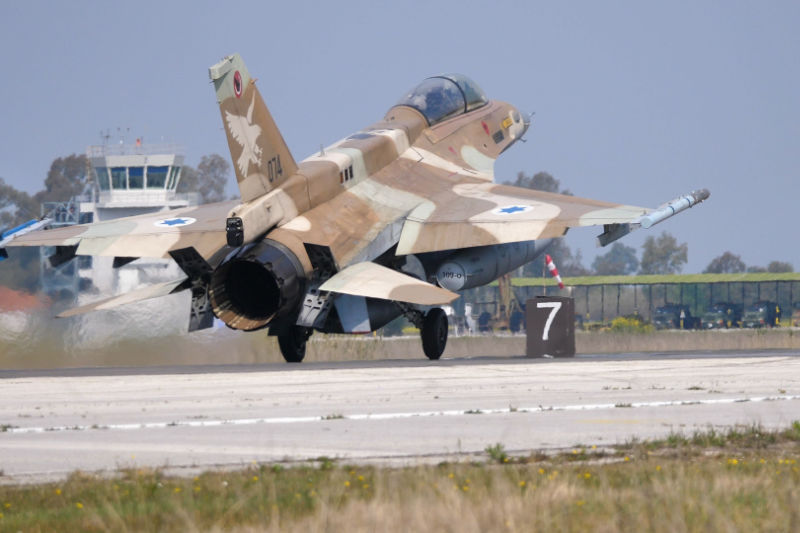
At least six people were killed in Israeli airstrikes on checkpoints in Khan Younis; since Iran-focused hostilities began one month ago ~50 Palestinians have been killed in Gaza and the total death toll since Oct 2023 exceeds 72,000. The flare-up and ongoing multi-front operations (Gaza, Lebanon, Iran-related) increase the likelihood of sustained risk premia on regional energy and transport costs, and pose downside risk to Mediterranean/Middle East logistics and trade flows. Portfolio managers should monitor ceasefire durability and potential escalation that could move energy prices and sector exposures (shipping, insurers, energy producers/refiners).
Disruptions in Middle Eastern logistics and risk-premia on maritime insurance transmit to tech hardware primarily through rising freight and component lead times, not through a permanent loss of demand. A sustained 10-25% increase in war-risk premiums for Mediterranean transits typically adds $5-15 to unit shipping/insurance per high-end handset and forces OEMs to extend component ordering windows by 4–8 weeks, creating both a temporary margin and inventory-timing squeeze for companies that price on ASP rather than volume.
For a high-ASP device cycle, that timing squeeze favors firms with strong channel control and vertical pricing power: they can push incremental ASP to absorb short-term logistics inflation while managing channel fill to avoid markdowns. Conversely, mid-tier OEMs and contract manufacturers with tight working-capital constraints face margin dilution and potential revenue misses in the next two quarters if war-risk premiums or fuel surcharges persist above current levels.
Banks and trading desks see mixed effects: elevated energy and shipping volatility increases transactional and trading revenue but also raises near-term corporate credit stress in EM counterparties and energy-linked SMEs. Over a 3–12 month horizon, expect higher fees and value-at-risk for banks (supporting trading P&L) but a modest increase in loan-loss provisioning if energy shocks push oil/gas customers into stress; that makes short-dated credit hedges and priced-in provisioning the key tactical observables.
AI-powered research, real-time alerts, and portfolio analytics for institutional investors.
Overall Sentiment
mildly negative
Sentiment Score
-0.35
Ticker Sentiment
