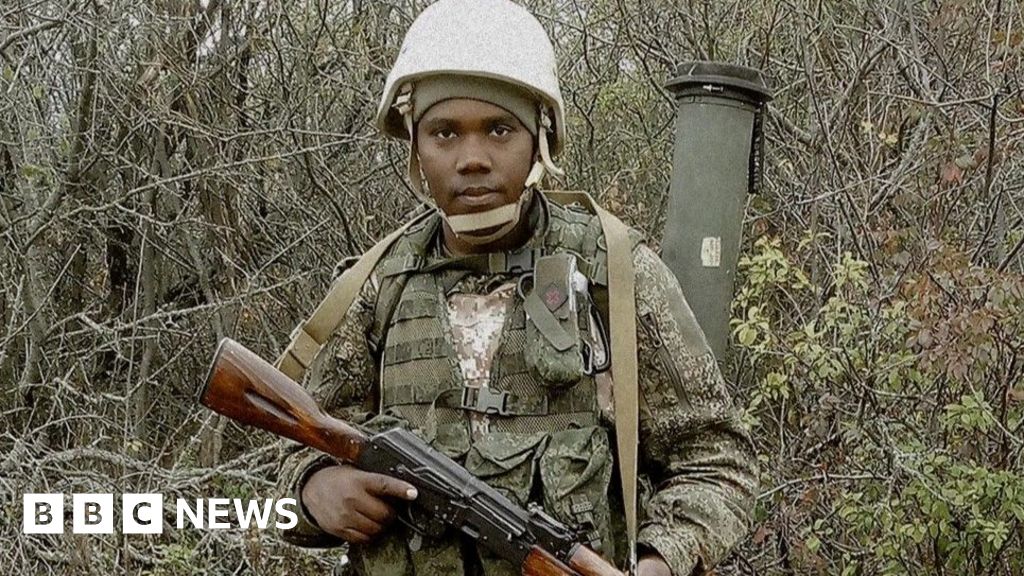
Kenya says it will press Russia over reports that roughly 200 Kenyan nationals were clandestinely recruited to fight for Russian forces in Ukraine, with 27 repatriated so far and authorities closing more than 600 suspected illegal recruitment agencies. Foreign Minister Musalia Mudavadi said Nairobi will push for visa-policy changes and bilateral labour agreements to bar military conscription, a step that could strain Kenya–Russia ties and trigger new domestic regulatory or legal measures. Ukrainian intelligence puts the broader African recruitment at over 1,400 people from 36 countries, and unresolved casualty and repatriation issues heighten geopolitical and humanitarian risk, though the episode is unlikely to be a major market mover.
Market structure: Direct losers are Kenyan sovereign credit and select Nairobi-listed consumer/financial names exposed to weaker tourist flows and reputational risk (expect a near-term rise in risk premia). Direct winners are geopolitical/defense contractors and private security providers as governments and corporations reweight safety and evacuation budgets; tradeable proxy: large defense primes and defense ETFs. Expect Kenyan recruitment agencies and remittance channels to contract materially in the next 3–6 months as >600 agencies were closed, reducing outbound labor supply to Russia and depressing related services revenues.
Competitive dynamics & supply/demand: The episode increases political risk premium for Kenya relative to EM peers—anticipate Kenya sovereign spreads to widen 30–150bp vs EMBIG if diplomatic tensions persist beyond 30 days, pressuring KES (1–3% depreciation possible). Global commodity flows are unlikely to be meaningfully affected, but EM volatility will tick up and implied vols on EEM/EM trackers should rise short term. Demand for geopolitical risk hedges (CDS, FX hedges, EM put options) will increase, lifting pricing power for providers of tail-risk products.
Risk assessment: Tail risks include a diplomatic rupture with Russia or retaliatory non-cooperation on repatriations (low probability, high impact—could add 200–400bp to Kenya CDS) and domestic political fallout that accelerates capital flight. Immediate catalysts: Kenyan government negotiations with Russia, new bilateral visa/labor agreements, or further body repatriation stories; any of these within 7–30 days will move markets. Hidden dependency: contagion to other African sovereigns via sentiment—markets may reprice regional EM risk, not just Kenya.
Trade implications & contrarian angles: Short-duration hedges and selective longs are optimal: short Kenya-specific risk while buying long-dated defense exposure; consensus may underweight the EM volatility trade and overestimate global impact. If Kenyan bond yields widen >50bp vs EMBIG within 30 days, escalate shorts; if KES stabilizes and negotiations produce a formal Russia labor pact within 60–90 days, close hedges and re-evaluate for buys at tighter spreads.
AI-powered research, real-time alerts, and portfolio analytics for institutional investors.
Request DemoOverall Sentiment
moderately negative
Sentiment Score
-0.30
