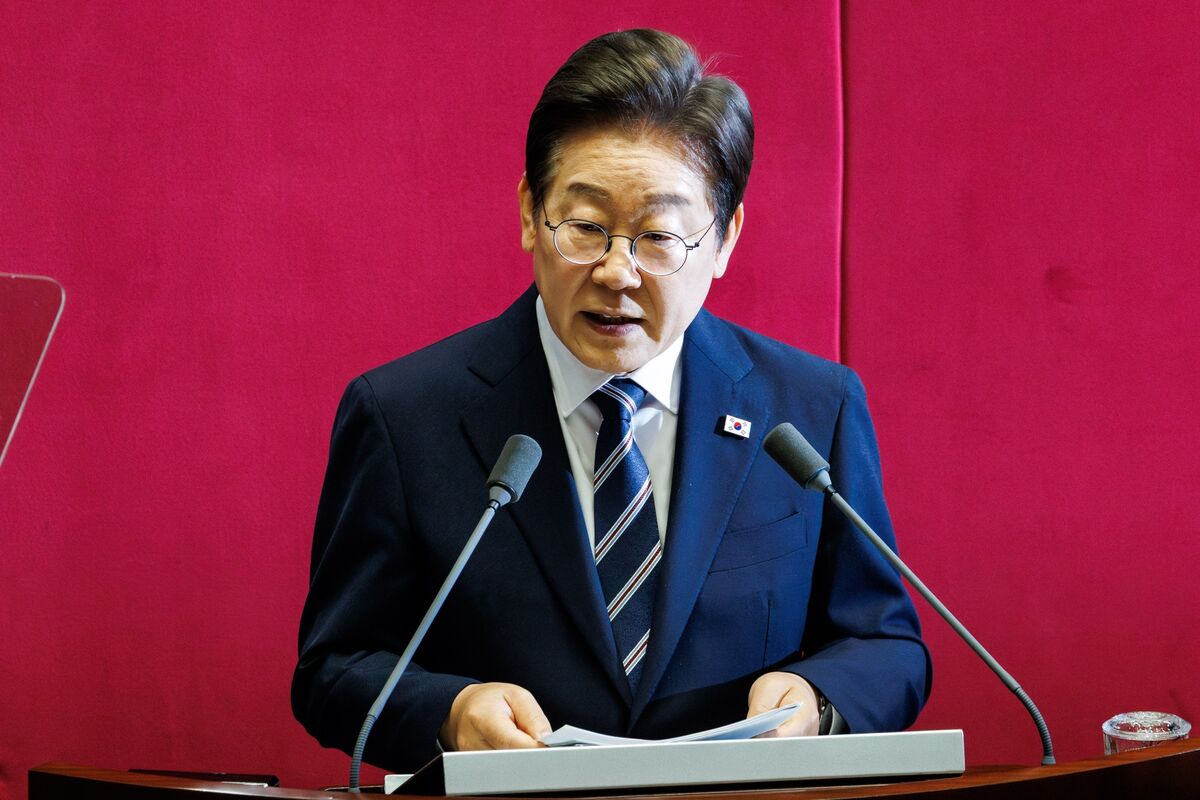
South Korean President Lee Jae Myung indicated a potential abandonment of a controversial proposal to expand capital gains tax on stock holdings, stating there is no need to adhere to it. The plan, which aimed to lower the tax threshold from 5 billion won to 1 billion won ($720,429), had drawn criticism for undermining efforts to revive the stock market. This pivot suggests the administration's responsiveness to market concerns and could be viewed positively by investors seeking reduced tax burdens.
South Korean President Lee Jae Myung has signaled a significant policy reversal by indicating that the government will not proceed with a proposed expansion of the capital gains tax on stock holdings. The plan, announced in late July, would have lowered the tax-triggering threshold from 5 billion won to 1 billion won ($720,429). The President's statement acknowledges that the proposal had raised concerns about the administration's commitment to reviving the country's stock market. This move to abandon a key tax initiative in response to market sentiment removes a major potential headwind for South Korean equities. The action alleviates a specific tax burden that would have impacted a larger pool of investors, which could improve market liquidity and overall investor confidence, as reflected in the moderately positive sentiment score of 0.6.
AI-powered research, real-time alerts, and portfolio analytics for institutional investors.
Request DemoOverall Sentiment
moderately positive
Sentiment Score
0.60
