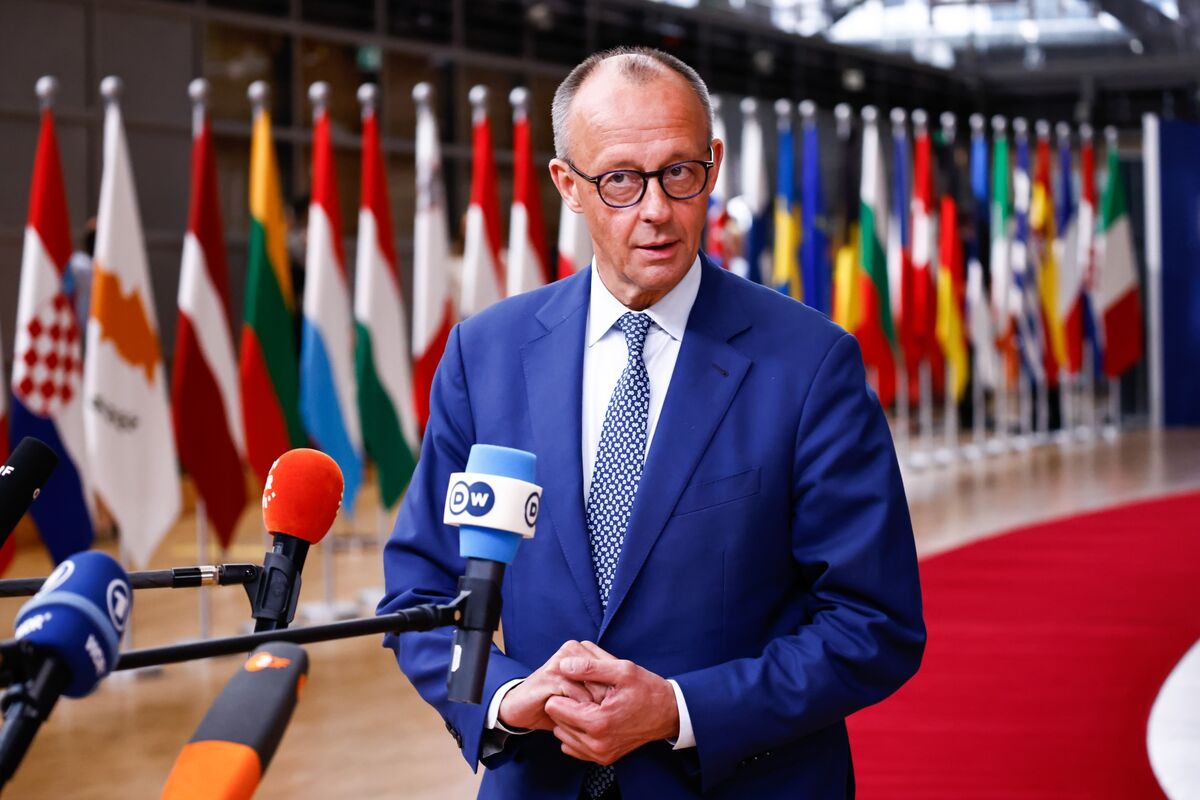
Sweden's Energy and Industry Minister Ebba Busch announced the country will oppose Germany's push to relax the EU's 2035 combustion engine ban, arguing that allowing technologies like range-extenders would penalize carmakers already invested in green transition. This stance highlights an internal EU policy divergence on automotive emissions targets and industrial strategy, with Sweden advocating for a focus on combating unfair competition from Chinese EV manufacturers.
A significant policy fracture is emerging within the European Union regarding the 2035 deadline for phasing out new combustion engine vehicles, creating notable regulatory uncertainty for the automotive sector. Sweden has formally opposed a German proposal to permit hybrid and range-extender technologies post-2035, arguing that such a concession would penalize automakers that have already committed significant capital to a full battery-electric vehicle (BEV) transition. This divergence in industrial strategy between two of the EU's key member states complicates long-term capital allocation for the entire industry. Furthermore, the Swedish minister's call to instead focus on combating perceived unfair competition from Chinese EV manufacturers introduces a critical trade and geopolitical dimension. The situation suggests that the future regulatory environment for EU automakers is subject to considerable political negotiation, impacting everything from R&D pipelines to supply chain configurations.
AI-powered research, real-time alerts, and portfolio analytics for institutional investors.
Request DemoOverall Sentiment
mixed
Sentiment Score
0.00
