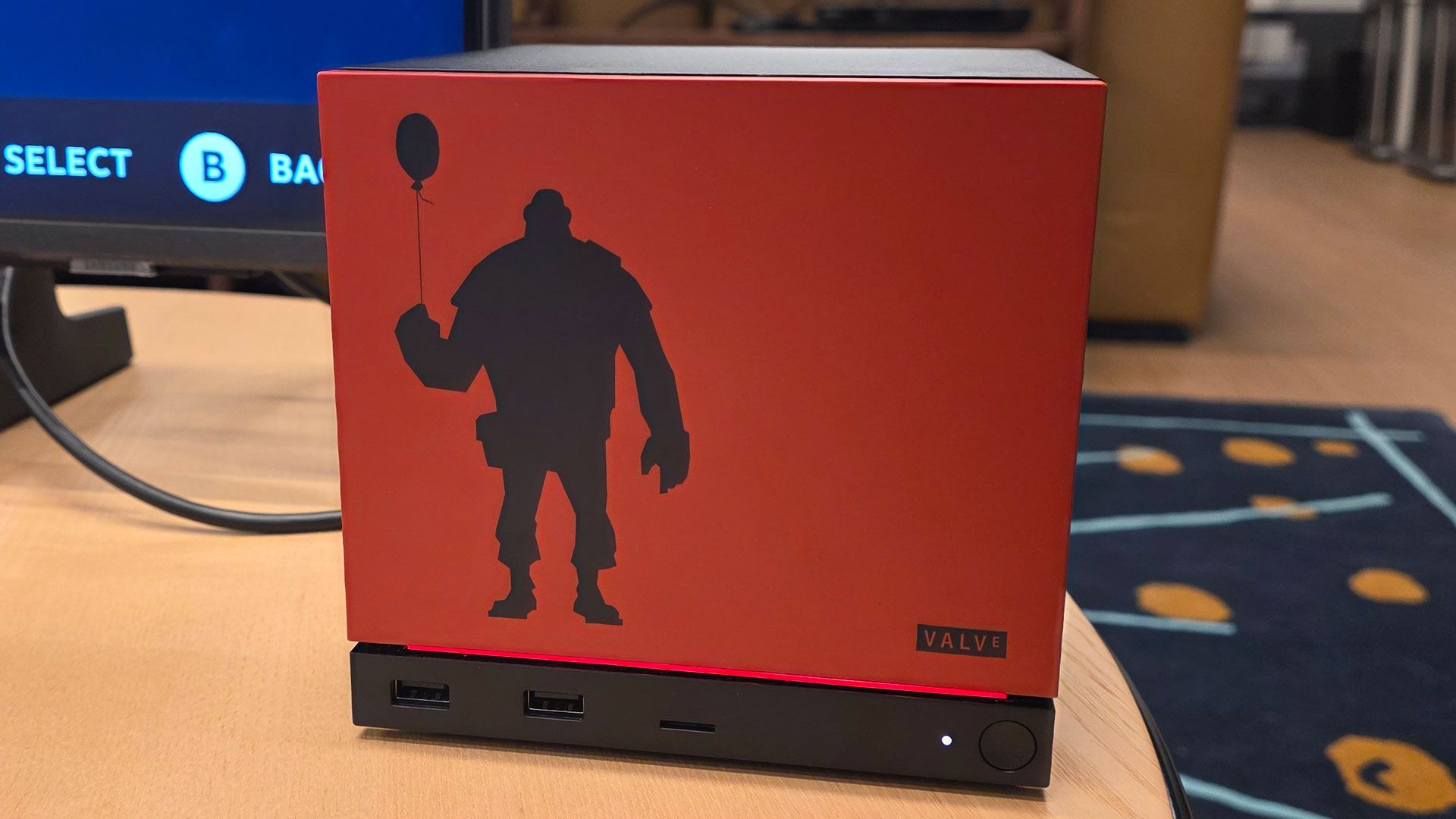
Valve confirmed its next‑generation Steam Machine will not be hardware‑subsidized like traditional consoles and is being positioned to compete directly with similarly‑spec'd desktop PCs rather than undercut them on price. Management cites SteamOS and integration features as differentiators and will rely on software/store revenues (Steam takes ~30%) as a safety net; however, rising DRAM/storage prices and anticipated 2026 component shortages mean community pricing estimates (~$700, best case ~$550–$600) could rise, creating potential demand risk versus cheaper console alternatives (e.g., PS5 Pro at ~$650 on promotion).
Market structure will bifurcate: component suppliers (DRAM/NAND producers) get the most direct leverage as upstream pricing power can deliver 15–40% EBITDA upside if spot DRAM/NAND moves +20% into 2026, while price‑sensitive hardware demand will reallocate share toward subsidized console cycles and cloud services. Desktop OEMs preserve unit economics and can protect margins (+100–200bps) by avoiding race‑to‑the‑bottom pricing; independent system integrators face margin compression if component pass‑through exceeds consumer willingness to pay in the $550–750 band.
Tail risks center on supply shocks and regulatory shocks to platform economics: a severe 2026 component outage or an antitrust intervention on platform take‑rates would be >30% downside for platform‑dependent revenue models and could force burying losses in hardware subsidy programs. Near term (days–weeks) volatility will track DRAM/NAND spot prints and pre‑order velocity; medium term (3–12 months) will reflect promotional console pricing and holiday promos that can reallocate demand; long term (12–36 months) rests on structural shifts to cloud/streaming reducing hardware elasticity.
Trade implications: prefer cyclical semiconductor exposure to capture component tightness and avoid consumer discretionary hardware staples. Option structures should be calendar‑weighted to 6–18 month horizons to capture evolving shortage signals while capping front‑month gamma. Rebalance from hardware retail into supply‑side names and cloud‑infrastructure beneficiaries that win if consumers trade up to streaming.
Contrarian angles: consensus underestimates the second‑order acceleration to cloud gaming and data‑center GPU demand if consumer hardware becomes costlier — a 10% rise in device price could lift cloud usage 5–8% within 12 months, favoring MSFT/Azure and NVDA. Historical parallels to smartphone component cycles show memory rallies can outpace end‑demand erosions for 6–12 months; mispricing exists where memory equities trade below forward book given a 2026 shortage probability >30%.
AI-powered research, real-time alerts, and portfolio analytics for institutional investors.
Request DemoOverall Sentiment
mildly negative
Sentiment Score
-0.25
Ticker Sentiment
