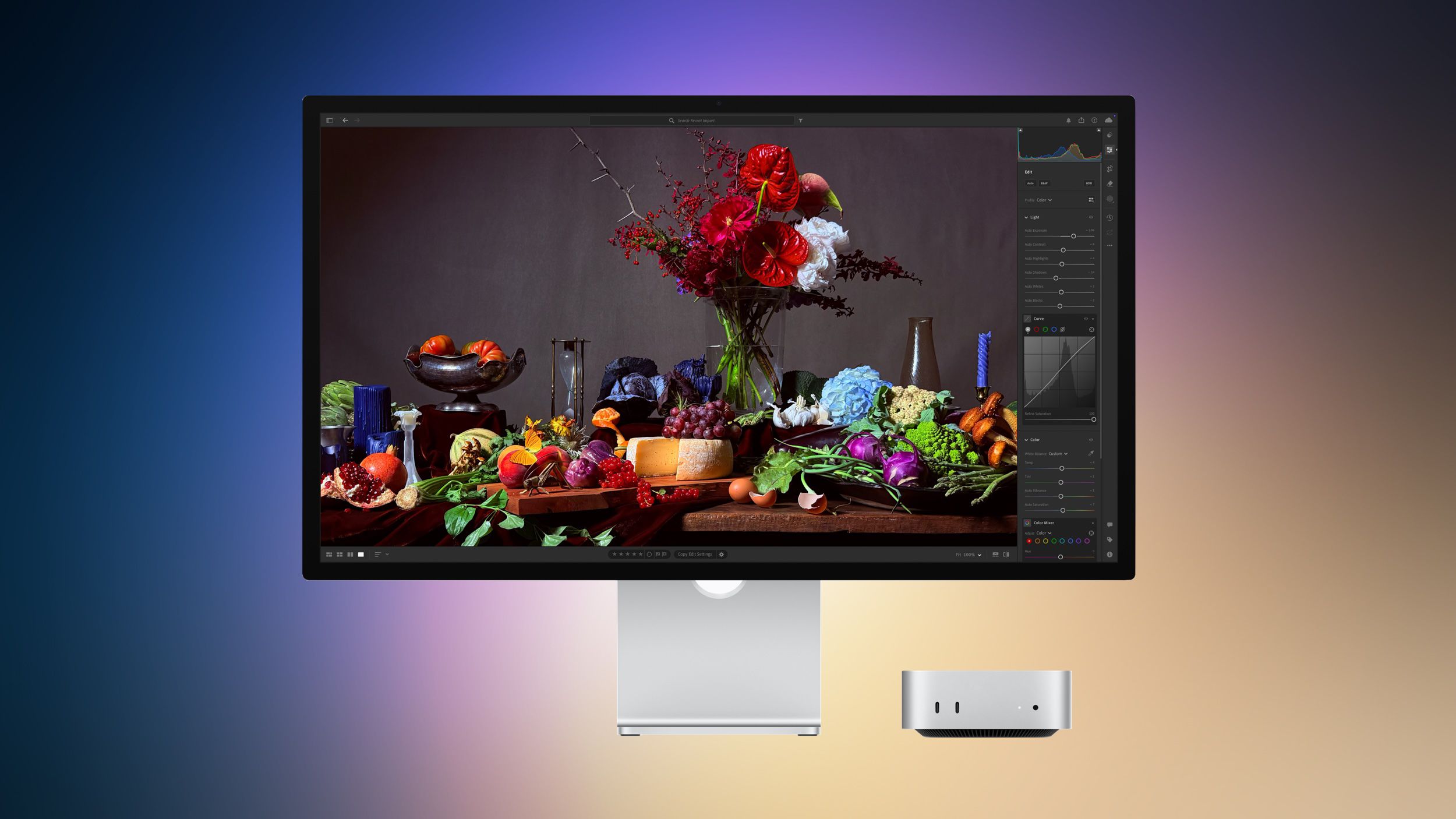
Amazon is offering $100 off select 2026 Apple Studio Display models, including the Standard Glass with Tilt-Adjustable Stand at $1,499 (was $1,599) and the Studio Display XDR (Standard Glass with VESA) at $3,199 (was $3,299). Deals are part of Amazon's Big Spring Sale and MacRumors' tracking of Apple-related bargains; some models show delivery slips into late April. This is consumer-focused promotional activity likely to boost short-term demand/search interest but with negligible impact on Apple’s corporate fundamentals.
Amazon running promotional pricing on a newly released, high-ASP accessory is less a price war and more a traffic-and-inventory play: the retailer monetizes Prime logistics and a large top-of-funnel to accelerate sell-through of a thin-but-high-margin SKU set. If Amazon is absorbing incremental volume by shaving 4–7% off select SKUs, the P&L hit sits with the retailer and the marginal channel mix shifts toward Amazon, compressing competitors’ volume rather than Apple’s headline ASPs materially. Expect this to show up first as shorter-dated shipment slips and inventory buildups at fulfillment centers over the next 2–6 weeks before it flows into channel revenue recognition in the following quarter.
Second-order winners are platform sellers and Logistics-as-a-Service lines: promotional cadence increases Prime traffic and ancillary basket purchases (accessories, headphones, Macs). Losers are mid-tier brick-and-mortar specialists (Best Buy) and regional resellers whose margin/footfall elasticity is higher; they cannot subsidize traffic with the same logistics economics and may be forced into localized price-matching or deeper margin concessions. Upstream, component suppliers see only modest stress unless promotions broaden beyond niche display SKUs — a 5–10% sustained ASP erosion across Apple’s accessory mix would be needed to pressure supplier order cadence materially (a multi-quarter risk, not days).
Catalysts that could reverse the current trend are clear: Apple directive to curb partner promos (near-term), a stronger-than-expected pre-order cadence that eliminates the need for retail discounts (weeks), or macro consumer softness that deepens discounting into a broader category reset (quarters). Watch three datapoints closely over the next 30–90 days: Amazon/Best Buy sell-through rates by SKU, channel shipment vs sell-through cadence in Apple’s inventory disclosures, and shifts in promotional intensity during Prime/holiday windows. These will determine whether today’s price moves are tactical marketing or the start of a structural channel mix change.
AI-powered research, real-time alerts, and portfolio analytics for institutional investors.
Request DemoOverall Sentiment
neutral
Sentiment Score
0.00
Ticker Sentiment
