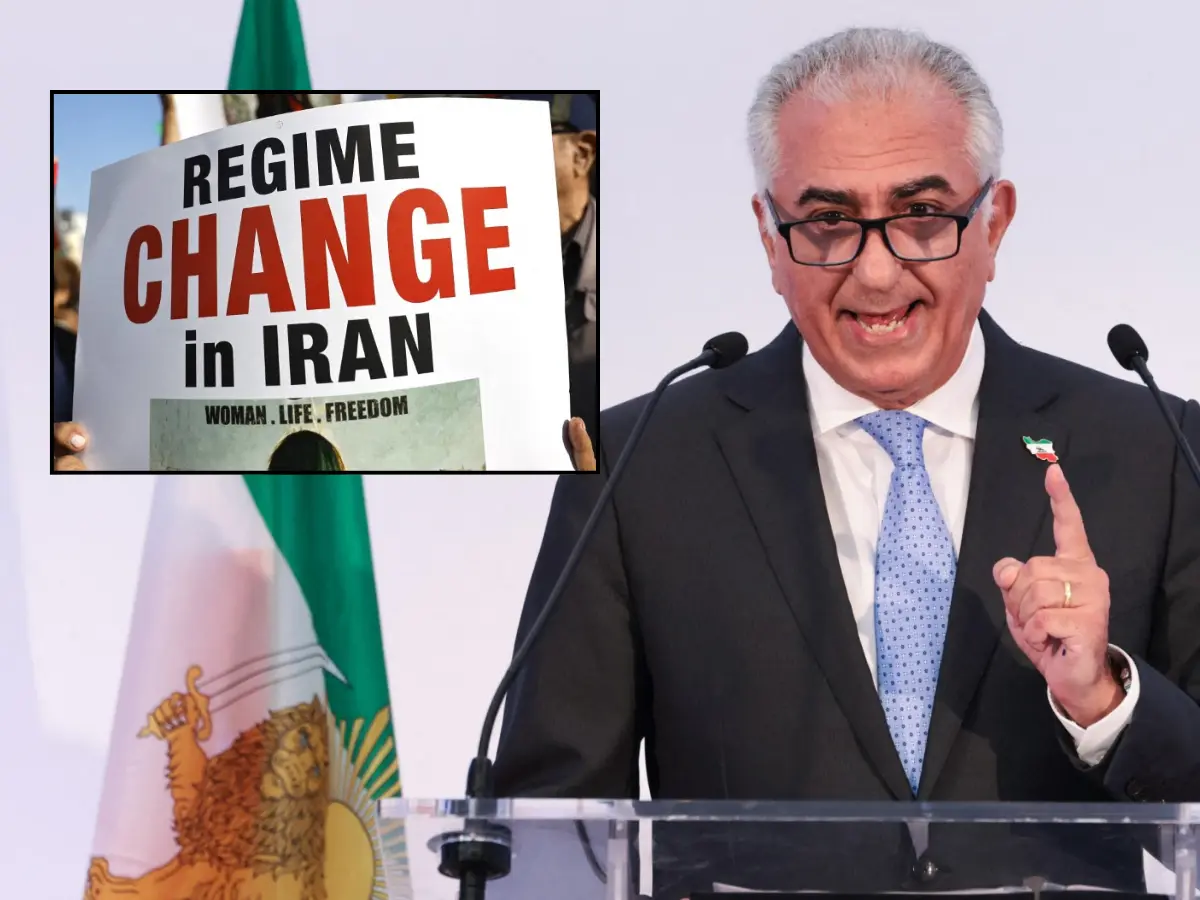
Widespread protests in Iran driven by a collapsing rial, record-low currency levels and all-time high inflation — with food prices surging — have escalated after a proposed 2026 budget that includes a reported 62% tax increase. The unrest, led initially by shopkeepers and traders, has prompted harsh regime rhetoric including death-penalty warnings and a vowed crackdown, while exiled figures and US President Trump signaled support, raising geopolitical risk. For investors, this amplifies sovereign and FX volatility, heightens country-risk premia for Iranian exposure and could spill over regionally if tensions with the US deepen.
Market structure: The immediate winners are safe-havens (gold, USD, long-dated Treasuries) and regional oil-exporters that can absorb a short-term risk premium; losers are Iranian domestic economy, EM local-currency debt/equities and commodity importers facing surging food inflation. Pricing power shifts incrementally to Gulf exporters and major oil traders — expect a 3–10% risk premium on Middle East-related oil differentials if incidents disrupt shipping insurance or exports for 1–8 weeks.
Risk assessment: Tail scenarios include (A) major disruption of Iranian oil exports or tanker attacks → Brent +$15–30 within weeks; (B) US military/financial intervention → rapid sanctions tightening and EM spillover; (C) fast domestic crackdown → localized volatility but limited global supply impact. Immediate horizon (days) = volatility spike; short-term (weeks–months) = wider EM sovereign spreads and FX weakness; long-term (quarters) = structural fiscal retrenchment in Iran, higher regional defense budgets.
Trade implications: Tactical hedges and option structures outperform outright directional bets: buy convex protection (gold calls, XLE/Brent call spreads) and increase USD/UST duration as a flight-to-quality. Reduce EM sovereign and local-currency exposure (trim EMB/EEM exposure by 3–5%) and rotate 1–3% into KSA (KSA) and large Gulf banks if oil risk premium persists >5% for 2+ weeks. Use triggers: add if Brent/WTI +5% in 48h or shipping-insurance (P&I) spikes >20%.
Contrarian angles: The market may overprice immediate global supply risk because Iran’s exports are already curtailed — Gulf spare capacity and waivers can blunt a sustained oil shock; 2011 Arab Spring showed a sharp but short-lived oil spike followed by normalization. Risks to crowded oil/defense longs include a rapid, brutal domestic crackdown that removes tail supply risk and causes mean reversion; consider paired hedges (gold long vs smaller oil longs) to protect against that path.
AI-powered research, real-time alerts, and portfolio analytics for institutional investors.
Request DemoOverall Sentiment
strongly negative
Sentiment Score
-0.65
