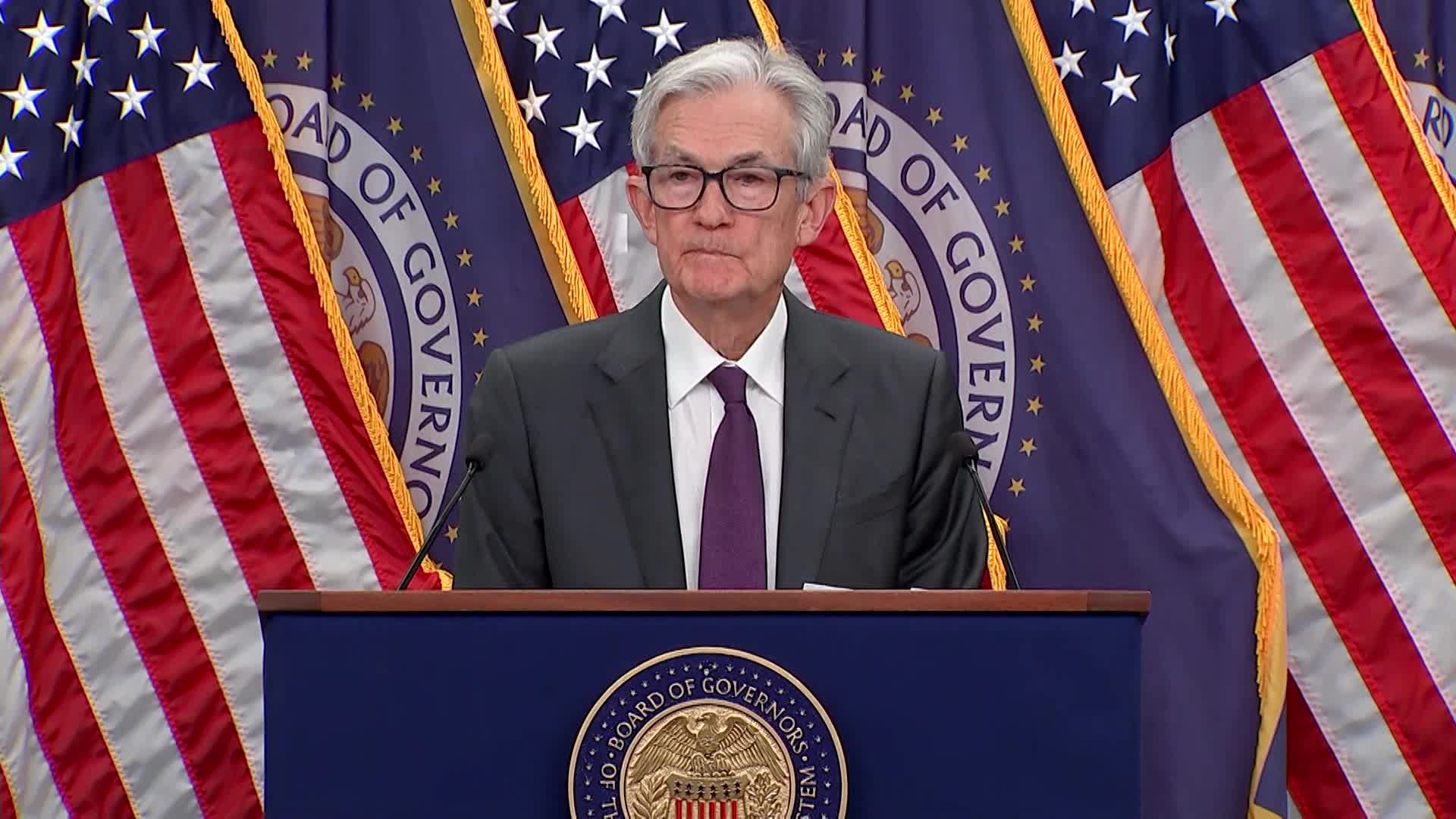
Federal Reserve Chair Jerome Powell characterized President Donald Trump's recent tour of the Fed's renovation site as a "good visit," noting the President's emphasis on expediting construction completion. The interaction focused solely on the building project, with no reported discussion of monetary policy or broader economic matters.
Federal Reserve Chair Jerome Powell's characterization of President Donald Trump's tour of the Fed's renovation site as a "good visit" signals a non-event for financial markets. The discussion was reportedly confined to the logistics and timeline of the building's construction, with the President urging for its swift completion. Critically, the summary and neutral sentiment score highlight the absence of any dialogue on monetary policy, interest rates, or the economy. For investors, this distinction is paramount, as it indicates the meeting did not serve as a platform for political pressure on the central bank's policy decisions. The zero market impact score confirms that the market has correctly interpreted this interaction as administrative rather than policy-relevant, despite the high-profile nature of the participants and its classification under the "Monetary Policy" theme.
AI-powered research, real-time alerts, and portfolio analytics for institutional investors.
Request DemoOverall Sentiment
neutral
Sentiment Score
0.00
