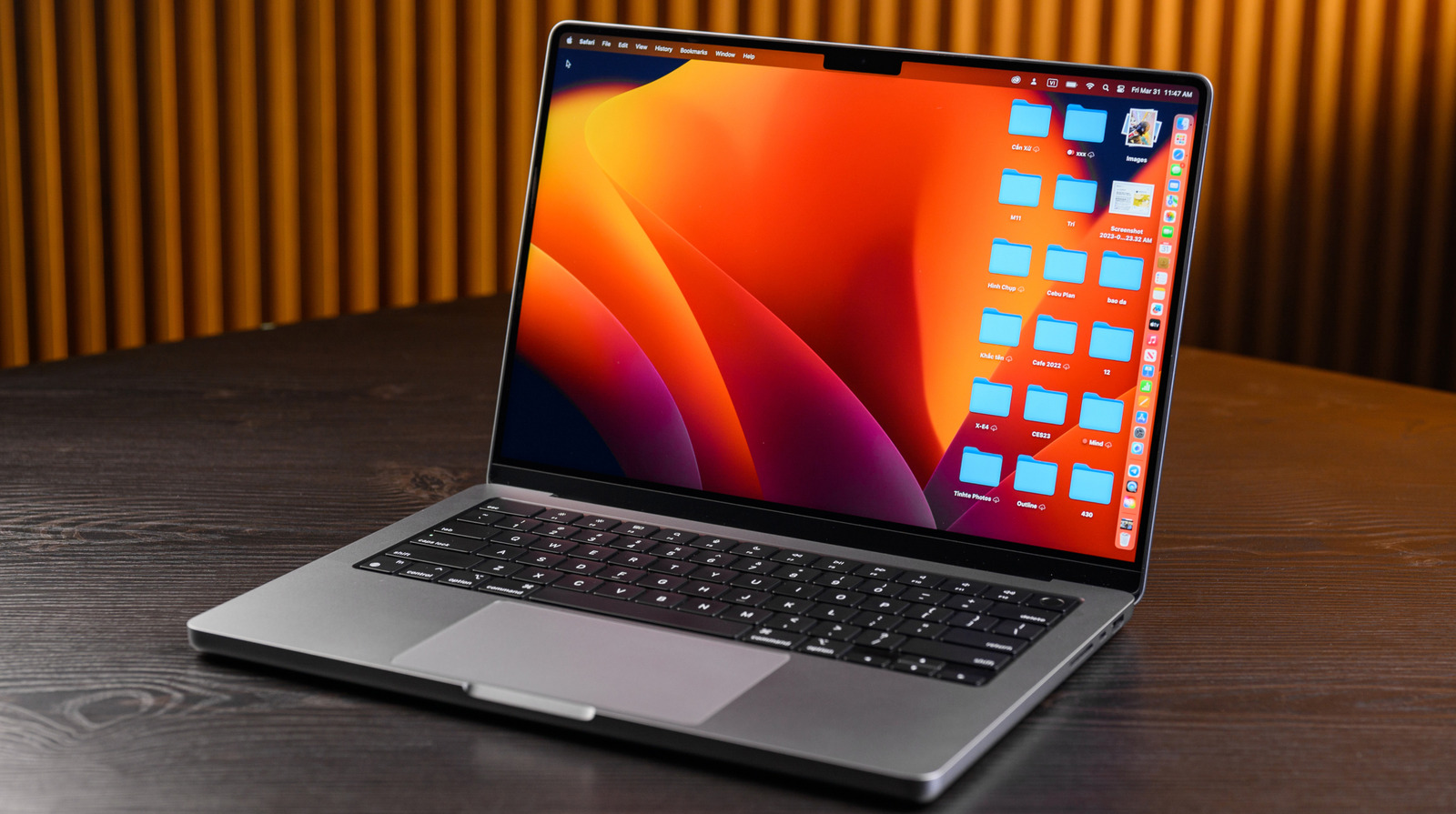
Apple is expected to overhaul its 14‑ and 16‑inch MacBook Pro line in late 2026 with M6-series chips likely built on a 2nm node, Tandem OLED displays (120Hz ProMotion), a punch‑hole Dynamic Island‑style camera, optional touchscreen, and potential built‑in cellular via Apple’s in‑house C1/C1X modem. The redesign could improve performance and battery life versus Intel's new Panther Lake silicon but may push retail prices up by “a few hundred dollars” as OLED panels, hinge reinforcement and rising memory costs (driven by AI data‑center demand) raise bill‑of‑materials and margin considerations—factors that investors should weigh against competitive pressure from Windows OEMs.
Market structure: Apple (AAPL) is the primary beneficiary — a 2026 OLED + 2nm M6 redesign with cellular and touch could justify a $200–$400 ASP increase on new 14/16" models and lift gross margins by 200–400bps if yields hold. TSMC (TSM) is a clear indirect winner via 2nm capacity; display suppliers (OLED fabs) will see order surges and pricing power, tightening supply and lifting component makers’ revenues. Intel (INTC) and Windows OEMs remain competitive: Panther Lake reduces Apple’s exclusive performance gap and caps pricing power, keeping share shifts uncertain.
Risk assessment: Key tail risks are 2nm yield shortfalls, OLED capacity delays, and Apple modem underperformance or litigation with Qualcomm (QCOM) — any of which could push launch to 2027 and erase expected margin gains. Immediate (days–weeks) risk is rumor-driven IV spikes; medium (3–12 months) is supply-chain reallocation and component price inflation; long term (>12 months) is consumer elasticity if Apple raises price by >10–15%. Hidden dependency: Apple’s roadmap is tightly coupled to TSMC 2nm availability and tandem-OLED supply; monitor TSMC capacity utilization and OLED spot prices as leading indicators.
Trade implications: Tactical: establish 1.5–3% long AAPL equity exposure sized to risk and buy 12–24 month LEAPS ~10–20% OTM to capture launch upside; add 1–2% long TSM to play 2nm wafer demand. Relative trade: long TSM / short QCOM (0.75% / 0.5%) as Apple modem rollout could erode QCOM ASPs over 24 months. Options: sell short-dated AAPL call spreads into hype to monetize IV pre-event; buy TSM Jan 2028 calls for asymmetric exposure. Rotate overweight semiconductors and premium display suppliers, underweight non-premium consumer PC OEMs.
Contrarian angles: The market assumes Apple’s price hike will stick — but >10% ASP increases historically reduce unit growth for premium PCs; if OLED panel costs remain elevated, Apple margins may compress despite higher ASPs. The consensus underprices TSM’s upside from 2nm demand and overstates Qualcomm’s vulnerability (QCOM still dominant in non-iPhone segments). Watch for unintended consequences: stronger AAPL margins could invite regulator scrutiny (EU/US) over vertical integration in modem/display sourcing, which could slow rollout.
AI-powered research, real-time alerts, and portfolio analytics for institutional investors.
Request DemoOverall Sentiment
mildly positive
Sentiment Score
0.32
Ticker Sentiment
