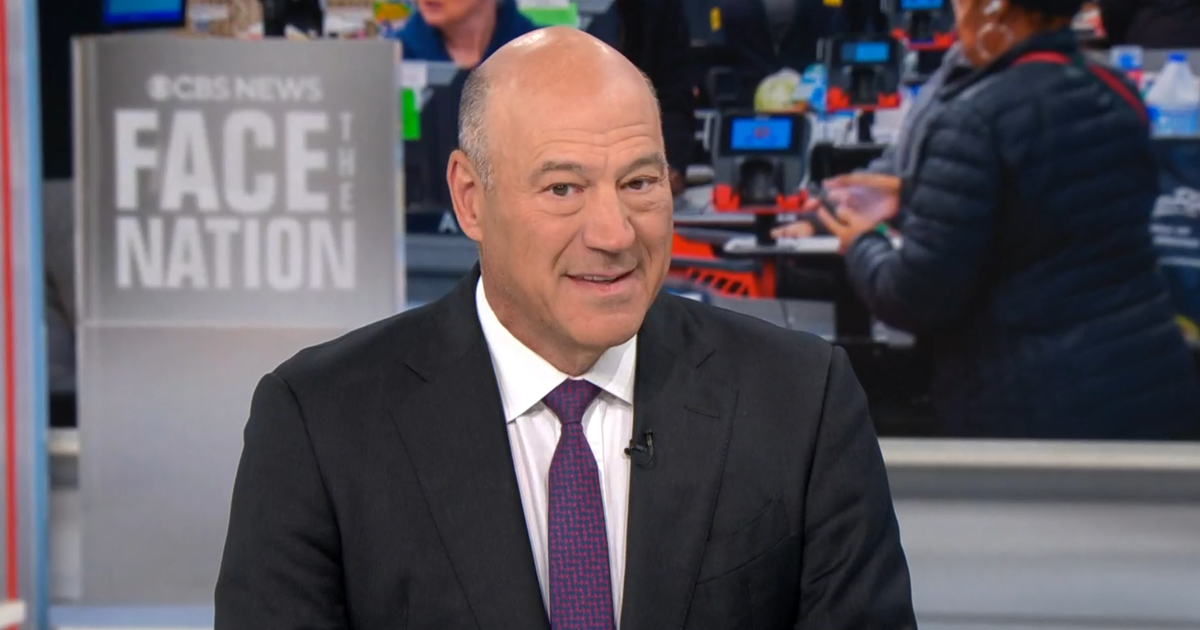
President Trump nominated former Fed governor Kevin Warsh to be Fed chair, a choice viewed on Wall Street as experienced and market-friendly; Gary Cohn endorsed Warsh, citing his 2008-crisis role and saying he expects one to two interest-rate cuts this year and a run-off of the Fed's large securities portfolio. Warsh, 55, served on the Fed Board from 2006–2011 and has recent ties to investor Stanley Druckenmiller and the Hoover Institution; the nomination preserves expectations of looser policy but faces a potentially contentious Senate confirmation amid subpoenas and concerns about Fed independence.
Market structure: A Warsh nomination that signals 1–2 rate cuts this year plus active balance-sheet runoff creates a unique policy mix: front-end easing pressure (lower Fed funds) with potential upward pressure on term premia from QT. Immediate winners: large banks and regional lenders (JPM, BAC, XLF) via wider net interest margins if the curve steepens; losers: long-duration growth and REITs (XLK, VNQ, TLT) which suffer if 10y yields rise even as policy rates fall. FX and commodities will bifurcate: USD may weaken on cut expectations but could strengthen if QT drives term premium higher; gold (GLD) and oil will respond to the net of these forces and real-rate moves.
Risk assessment: Tail risk includes political interference or failed confirmation that reintroduces Fed independence premium and violent repricing across rates and equities (low-probability, high-impact within 0–90 days). Near-term (days–weeks) volatility hinges on Senate hearings and upcoming CPI/PCE prints; medium-term (3–12 months) risk is a policy mismatch—cuts + QT—leading to 10y rising >50bp from current levels, squeezing equity multiples. Hidden dependencies: speed of balance-sheet reduction, repo market liquidity, and bank reserve buffers; catalysts are FOMC minutes, 2s10s moves >20bp, and legal developments around Powell.
Trade implications: Prefer tactical overweight financials (JPM, BAC, XLF) and underweight long-duration staples/tech (QQQ, XLK) over 6–12 months, while hedging rates exposure with short-duration bond positions (short TLT or buy TLT puts). Use a 3–6 month steepener (receive 2s, pay 10s via futures or steepener ETNs) if 2s10s steepens >15–20bp; consider buying 6–9 month calls on XLF (vertical spreads) rather than outright stocks to limit downside. Position sizing: 2–4% portfolio longs in banks, 0.5–1% in rate-hedges; trim cyclical longs if 10y > baseline +25bp.
Contrarian angles: Consensus assumes dovish cuts dominate markets; that ignores Warsh’s explicit desire to shrink the balance sheet—markets may underprice term-premium risk, so a simultaneous cut+QT could steepen the curve but tighten financial conditions for levered growth names. Historical parallel: Bernanke/Volcker era balance of policy tools shows that discordant signals raise volatility and risk premia; therefore the easiest mispricing is long-duration equities priced for falling rates only. Unintended consequence: banks could face higher funding volatility if reserves drop quickly, so a pure long-bank trade unhedged to a rise in front-end volatility is asymmetric.
AI-powered research, real-time alerts, and portfolio analytics for institutional investors.
Request DemoOverall Sentiment
mildly positive
Sentiment Score
0.28
Ticker Sentiment
